
Filters
Level
Grade
Subject
Subject Area
Subject Topic
Standard(s)
Audience
Keyword
DurationMinutes
1st Grade Reading Lesson Plans


In this 1st-grade Language Arts lesson plan, students will explore the elements of fiction by identifying characters and settings in stories. The lesson begins with a discussion of favorite stories to engage students and introduce key vocabulary. A selected picture book is read aloud, with the teacher modeling comprehension strategies through think-aloud techniques. Students then work in pairs to fill out a graphic organizer that identifies the characters and setting of another picture book. They will also use sticky notes to share their favorite characters on a class board and create their own drawings of story settings. The lesson concludes with a share-out session to encourage reflection and discussion, while bookmarks with reading strategies are distributed to support future reading at home. Assessment will be informal, based on participation and the completion of the graphic organizer, with differentiation strategies in place for varied student needs. Extension activities include creating a classroom display of character and setting drawings and sharing books at home for further discussion.
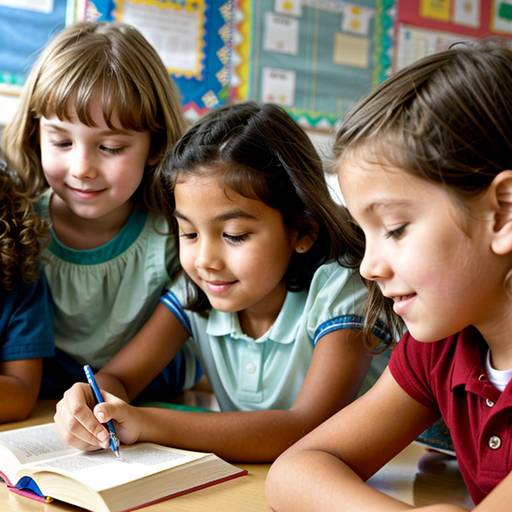
In this 1st Grade Language Arts lesson, students will engage in an interactive reading experience where they explore the characters, setting, and events of a selected picture book. The lesson begins with students predicting the story's content based on its cover, followed by a read-aloud where they are encouraged to make predictions and answer questions about the text. After the read-aloud, students will complete a graphic organizer to illustrate and label the main character(s), setting, and a key event from the story. They will also fill out a prediction card to express their thoughts on what might happen next. The lesson concludes with students sharing their findings with the class, reinforcing their understanding of essential story elements. Throughout the lesson, assessment will be conducted through observation and collection of the students' work to gauge their comprehension and engagement in reading. Extension activities will encourage independent reading at home, while modifications will support students requiring extra help.
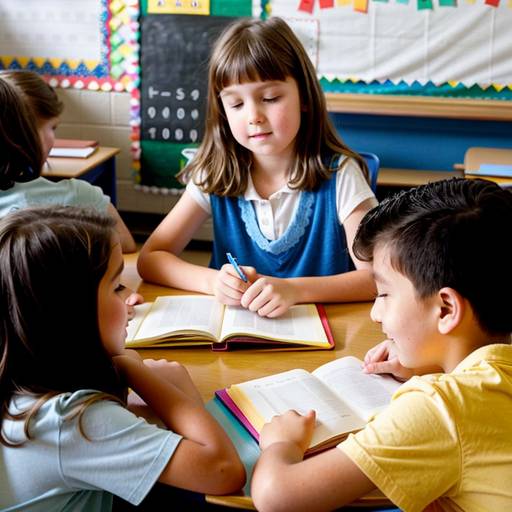
In this 1st Grade Language Arts lesson, students will enhance their reading comprehension skills by focusing on identifying main ideas and supporting details within a story. The lesson begins with an engaging read-aloud of a picture book, encouraging students to anticipate the story's content. After reading, a group discussion will help students articulate the main idea while brainstorming key details that support it. Students will then fill out a graphic organizer to visually represent their understanding, followed by a creative activity where they illustrate a favorite scene from the story. The lesson concludes with student presentations and a summary of how identifying main ideas and details can deepen comprehension. Assessment will be based on participation, the completion of the graphic organizer, and the quality of illustrations. Extensions will be provided for advanced and struggling readers to ensure that all students are supported in their learning.
This 1st-grade Language Arts lesson focuses on enhancing reading comprehension through the exploration of characters in a story. Students will engage in a read-aloud of a picture book, discussing and identifying the main characters and their adventures. They will create character maps to illustrate their understanding of the characters' traits and summarize their respective adventures. Through small group discussions, students will express questions and thoughts about the characters, fostering collaborative learning. The lesson concludes by encouraging students to connect their favorite characters to their own storytelling experiences. Various assessments will measure student participation and comprehension, while extensions and adaptations will ensure inclusivity and challenge for all learners.
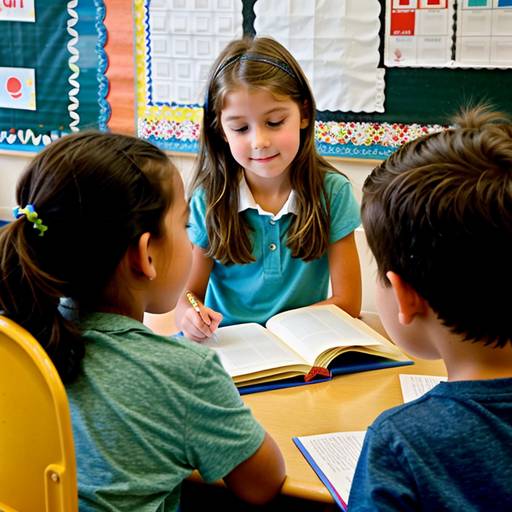
This first-grade language arts lesson plan focuses on introducing students to two primary reading genres: fiction and non-fiction. The lesson begins with a class discussion about what students enjoy about reading, followed by a read-aloud session featuring both a fiction story and a non-fiction book. Through guided questions, students explore the characteristics that differentiate the two genres. A genre sorting activity allows students to work in pairs to categorize flashcards into fiction and non-fiction, reinforcing their understanding of the concepts.
Students then reflect on their learning by creating a graphic organizer where they draw and describe their favorite book from each genre. The lesson concludes with a sharing session that highlights students' preferences, reinforcing the idea that both genres offer unique reading experiences. Assessment is based on student participation and the completion of their graphic organizers. Extensions include a genre-themed reading corner and monthly genre explorations, encouraging ongoing engagement with diverse reading materials.
This 1st-grade Language Arts lesson focuses on introducing students to different reading genres, including fiction, nonfiction, poetry, and folk tales. The lesson begins with an engaging discussion to activate prior knowledge about stories and encourages students to share their reading preferences. Through read-aloud sessions featuring one book from each genre, students learn the defining characteristics of each type of literature.
Following the read-alouds, students participate in a genre sorting activity where they work in small groups to match genre descriptions with corresponding book covers. This hands-on activity reinforces their understanding of genre traits. To culminate the lesson, students choose their favorite genre and create illustrations that showcase what they enjoy about it, allowing for creative expression.
The lesson emphasizes active participation and discussion, aiming to deepen students' appreciation of literature by exposing them to various genres. Assessment is conducted through observation, accuracy in the sorting activity, and reviewing the illustrations created by students. Extension activities include the creation of a classroom "genre wall" and sharing favorite books, further promoting a love for reading.
This 1st Grade Language Arts lesson focuses on enhancing students' reading comprehension skills by exploring key story elements, including characters, setting, and plot. The lesson begins with a discussion about the importance of stories and students' favorite books. A picture book is read aloud to the class, engaging students in interactive discussions where they answer questions about the story. Students then use a graphic organizer to visually map the story elements discussed. Following the read-aloud, students participate in a creative drawing activity where they illustrate one of the story elements, allowing them to express their understanding and creativity. The lesson concludes with a review and individual completion of the graphic organizer, assessing their comprehension and participation throughout the lesson. Opportunities for extension and differentiation are included to cater to varied learning needs.
This 1st Grade Language Arts lesson focuses on introducing students to various reading genres, including fiction, non-fiction, poetry, and folk tales. The lesson begins with an engaging discussion where students share their favorite types of stories and learn the term "genre." Through read-alouds of selected picture books, students are exposed to the unique characteristics of each genre.
In guided practice, students work in small groups to categorize a selection of books according to their genres, and they present their findings to the class. For the independent activity, each student selects a favorite book and identifies its genre using sticky notes to contribute to a classroom genre chart. The lesson wraps up with a review of what students learned and encourages them to explore different genres in their reading.
Assessment includes observing participation, reviewing group classifications, and ensuring students successfully categorized their chosen books. Extensions and differentiation strategies are provided to cater to varying student needs and abilities, fostering a rich understanding and appreciation for the diverse world of reading.
In this 1st-grade language arts lesson, students focus on improving their reading fluency through engaging activities centered around a familiar story. The lesson begins with an introduction to reading fluency, where students listen to a read-aloud of the chosen story, followed by the exploration of key sight words using word cards.
Students then participate in partner reading, taking turns reading the story aloud to each other, which allows them to practice smooth and expressive reading while discussing the story to enhance comprehension. Each student tracks their fluency progress on a chart, and the lesson concludes with a group reflection on their experiences, reinforcing the importance of regular reading practice.
Differentiation strategies are implemented to support varying reading levels, ensuring all students feel confident and engaged. Optional extensions encourage students to express their understanding through drawing and sharing their own stories in future lessons. Overall, the lesson aims to foster a love for reading while developing essential fluency skills.
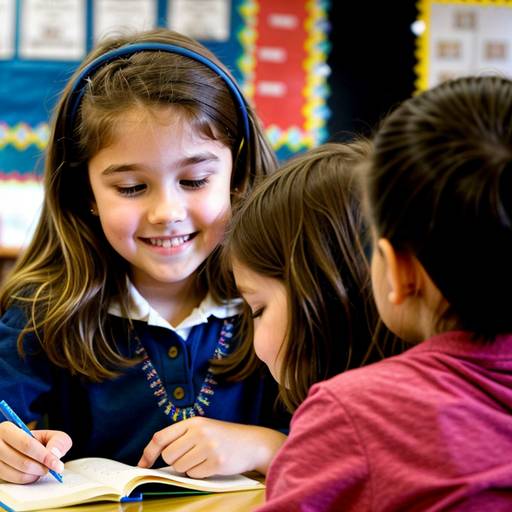
In this 1st grade Language Arts lesson plan, students will enhance their reading comprehension skills by identifying the main idea and key details of a story through engaging discussions and interactive activities. The lesson begins with a read-aloud of a selected story, during which students are encouraged to participate by predicting events and discussing the plot. After reading, the class will collaboratively explore the main idea and supporting details, which will be documented on the whiteboard. Students will then create their own Story Maps, where they identify the main idea and key details while illustrating their favorite parts of the story. The lesson culminates in a sharing session, allowing students to present their Story Maps to the class. Assessment focuses on participation and the clarity of the completed Story Maps, with differentiation strategies to support varying learning needs. The lesson concludes with a summary of the importance of stories and reading. For follow-up, students will select another story to create their own Story Map for future sharing.