
Filters
Level
Grade
Subject
Subject Area
Subject Topic
Standard(s)
Audience
Keyword
DurationMinutes
1st Grade Language Arts Lesson Plans

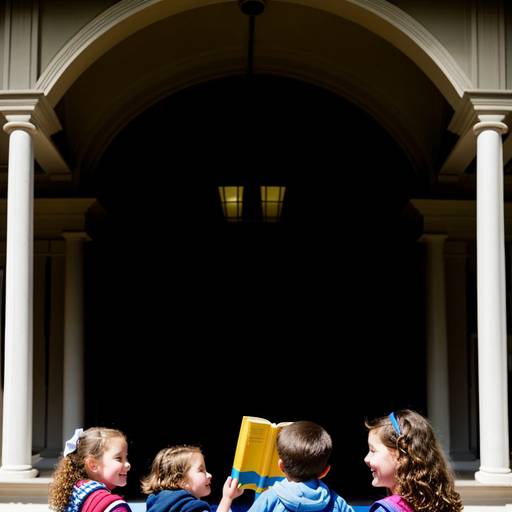
This 1st Grade Language Arts lesson plan focuses on introducing students to various genres of literature, including fiction, nonfiction, poetry, and fairy tales. The lesson begins with a group discussion about what genres are, followed by read-aloud sessions of picture books from each genre, allowing students to identify key characteristics. In a hands-on sorting activity, students work in small groups to categorize a selection of books according to genre. They then engage in a creative response activity, where they create a personalized “Storyland Passport,” illustrating their favorite genre and sharing their thoughts with the class. The lesson concludes with a brief recap of key concepts learned. Assessment is based on group participation and individual creative output, and extensions and adaptations are included for further learning opportunities and to accommodate diverse learners. This engaging approach helps foster a deeper understanding and appreciation for different types of stories.

In this 1st grade Language Arts lesson, students will explore the fundamentals of creative writing by brainstorming and developing their own story ideas. The lesson begins with a discussion of story elements, including characters, setting, and plot, using simple examples to illustrate these concepts. Students will then select story prompts and draft their own short narratives, incorporating a clear beginning, middle, and end. After writing, they will illustrate a chosen scene from their story to enhance their visual storytelling skills. Finally, students will share their stories in pairs or small groups, fostering a supportive environment for creative expression. Assessment will focus on their understanding of story elements, creativity, and effort in both writing and illustrating. Adaptations are provided for varying skill levels, ensuring all students can participate meaningfully. Extension activities may include compiling a class book of stories or organizing a storytelling event.
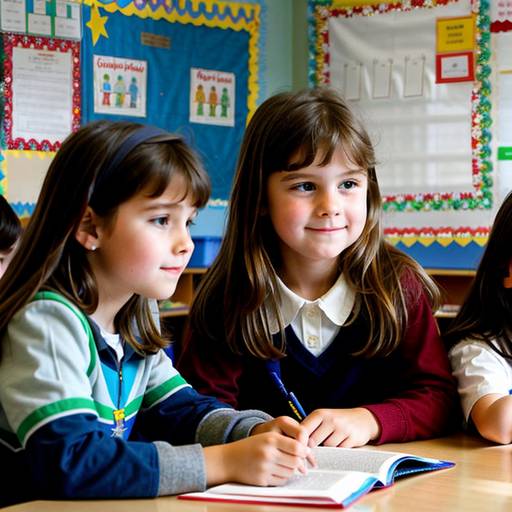
This first-grade language arts lesson focuses on narrative writing, guiding students to create simple stories with a clear beginning, middle, and end. The class begins with a read-aloud of a familiar story to introduce narrative structure, followed by a collaborative activity where students help create a story map together. Each student then independently fills out their own story map and writes a narrative, illustrating their work. The lesson concludes with students sharing their stories with classmates, fostering a supportive environment for feedback. Assessment is based on their understanding of narrative structure and creativity, with opportunities for extension through class book creation and exploration of different story genres in future lessons.
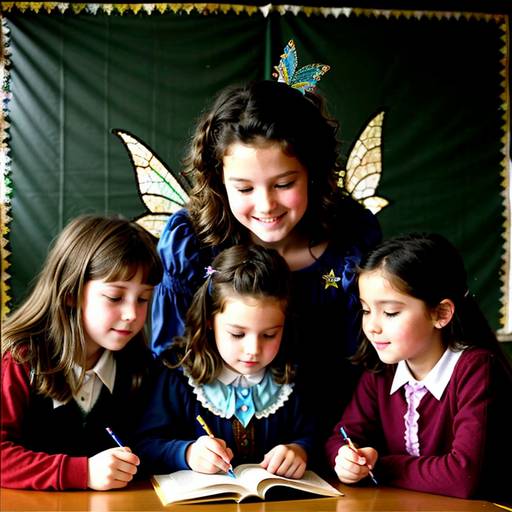
In this 1st Grade Language Arts lesson, students will explore the elements of fairy tales and engage in creative writing by crafting their own short stories. The lesson begins with a read-aloud of a familiar fairy tale, prompting a discussion about its key components: characters, setting, problem, and solution. Following this, the teacher will guide the class in collaboratively creating a new fairy tale, emphasizing the structure. Students will then receive a writing template to help them develop their individual stories, complete with illustrations. As they work independently, the teacher will circulate to offer support. To wrap up the lesson, students will share their stories with partners and have the opportunity to present to the class, fostering a sense of community and celebration of creativity. Assessment will include observations of participation, story elements, and creativity in the completed writing templates. Extension activities may involve compiling stories into a classroom book and using digital tools for story creation.
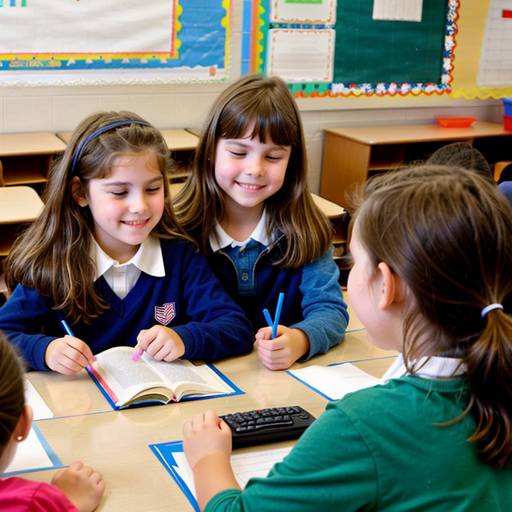
This 1st Grade Language Arts lesson plan focuses on introducing students to basic punctuation marks: periods, question marks, and exclamation marks. The lesson begins with an engaging chant to capture students' attention and briefly explain the purpose of each punctuation mark. Through modeling on the whiteboard, students will learn how to identify and apply the correct punctuation in different sentences.
In guided practice, small groups will analyze example sentences and decide which punctuation marks to use, fostering collaboration and critical thinking. For independent practice, students will complete a worksheet that reinforces their understanding of punctuation by filling in the correct marks for given sentences. The lesson concludes with a review and sharing of examples, followed by an assessment of student understanding through participation and worksheet completion. Extensions include creative writing and a punctuation hunt, accommodating various learning needs and promoting deeper engagement with the material. Overall, the plan is designed to make learning about grammar and punctuation enjoyable and interactive.
In this 1st-grade Language Arts lesson focused on reading and reading fluency, students will engage in various activities to enhance their reading skills. The lesson begins with a discussion about the importance of reading, introducing the concept of reading fluency encompassing accuracy, speed, and expression. The teacher models fluent reading using a selected picture book, encouraging students to identify key story elements such as characters, settings, and events.
Following this, students participate in paired reading, where they take turns reading aloud to each other, practicing fluency and expression. Each student will track their reading times using fluency charts, allowing them to monitor personal progress and set goals for improvement. The lesson concludes with a reflection on the reading experience, where students can share their thoughts and feelings about the activity. They will receive small rewards for their participation, reinforcing a positive reading environment. Throughout the lesson, differentiation strategies are included to support various learners, ensuring an inclusive approach to developing reading fluency.
In this 1st-grade language arts lesson, students will work on improving their reading fluency through a series of engaging activities. The lesson begins with a discussion about reading fluency, followed by the introduction of high-frequency sight words using flashcards. Teachers will model choral reading with a simple text, and then students will practice reading aloud together as a class.
Next, students will engage in partner reading, taking turns reading short stories to one another while offering support and encouragement. This is followed by an independent fluency challenge, where students will practice reading a selected passage multiple times with the goal of increasing their speed without sacrificing comprehension.
The lesson concludes with a sharing session where students can discuss their experiences and contribute to a group storytelling activity, reinforcing fluency through collaborative participation. Assessment will involve observing students during reading activities and optionally evaluating individual reading of a new text. Differentiation strategies will be employed to support both struggling and advanced readers, ensuring an inclusive learning environment. Follow-up activities will focus on sustaining fluency development over time.
In this 1st grade language arts lesson, students explore the world of picture books through interactive reading strategies. The lesson begins with a group discussion about favorite picture books, followed by a read-aloud of a selected title. Students make predictions based on the cover and title, reinforcing their ability to infer meaning and identify the main idea and key details of a story.
Next, students break into small groups, each assigned a different picture book to read and discuss, sharing their predictions, main ideas, and details with the class. For independent practice, students select their favorite book, draw a representation of its main idea, and write a brief description. The lesson culminates with a sharing session where students present their drawings and summaries to reinforce comprehension skills.
Throughout the lesson, students engage in collaborative learning and hands-on activities that foster a love for reading while developing critical thinking and comprehension skills. Assessments are based on student participation and their ability to convey the main ideas and details of the stories read. Adaptations and extensions are provided to support diverse learners and enhance engagement beyond the classroom.
In this 1st grade Language Arts lesson, students will explore the fundamental structure of sentences, focusing on subjects and predicates. The lesson begins with a read-aloud of a simple story, during which students listen for complete sentences. After discussing sentences from the text, the teacher introduces the concept of sentence structure through visual aids. Students engage in an interactive activity using sentence-building cards to collaboratively create sentences.
In small groups, they practice constructing sentences while identifying subjects and predicates, followed by an independent illustration activity where they depict a provided sentence. The lesson concludes with students sharing their illustrations and sentences with the class. Assessment includes observing participation in group work, reviewing illustrated sentences, and evaluating exit tickets for correct sentence structure. Modifications are included for varying student needs, ensuring an inclusive learning environment. The overall aim is to enhance students' understanding of grammar and sentence structure while fostering creativity and collaboration.
In this 1st-grade language arts lesson plan, students will explore basic grammar concepts and sentence structure by focusing on subjects and verbs through engaging activities related to animals. The lesson begins with a discussion to ignite interest in animals, followed by direct instruction where the teacher models how to construct simple sentences, highlighting the importance of complete sentences, capitalization, and punctuation.
During guided practice, students work in small groups to fill in incomplete sentences using animal picture cards, fostering collaboration and creativity. For independent practice, students complete a worksheet where they write sentences about various animals, ensuring they understand the components of a complete sentence.
The lesson concludes with students sharing their sentences with the class, reinforcing learning through presentation. Assessment will be conducted informally during group work and by evaluating worksheets for sentence completion and grammatical accuracy. Differentiation strategies are included to support diverse learners, and an extension activity encourages ongoing engagement with the material.