
Filters
Level
Grade
Subject
Subject Area
Subject Topic
Standard(s)
Audience
Keyword
DurationMinutes
Toddler Empathy Lesson Plans
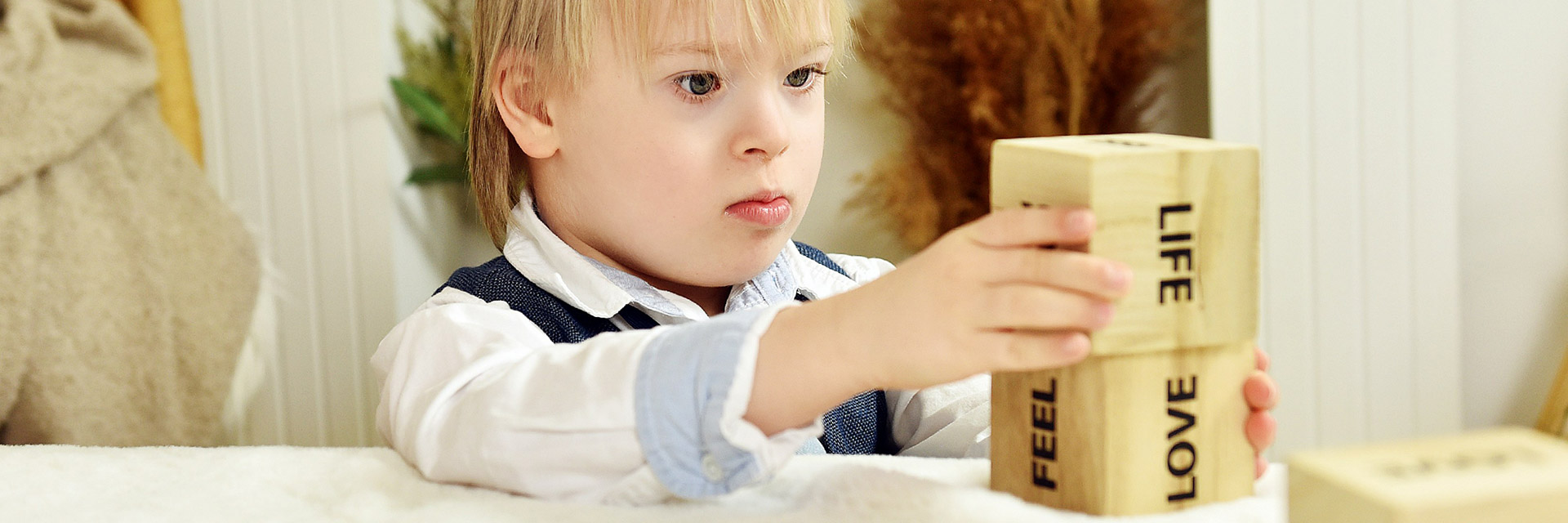
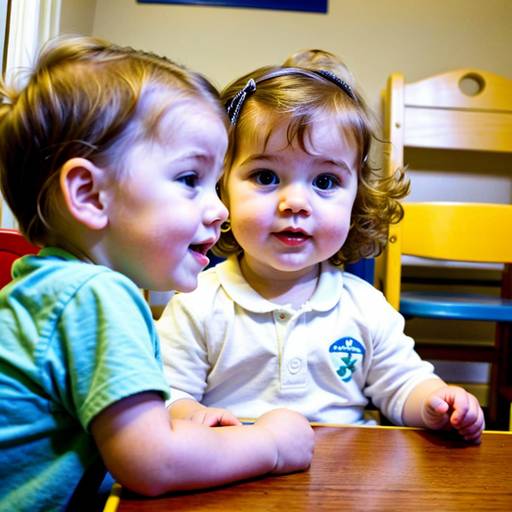
This lesson plan focuses on helping toddlers develop empathy by recognizing and expressing their own feelings while also understanding the emotions of their peers. The session begins with an interactive introduction where children gather in a circle to discuss feelings illustrated by emotion flashcards. Through a storytelling segment, they engage with a narrative that highlights the importance of empathy, facilitating discussions about characters' emotions and needs.
Following the story, children participate in a role-playing activity with plush toys, acting out scenarios that reflect various feelings and demonstrating how to offer comfort. An art activity allows them to express their emotions visually by drawing experiences related to happiness, sadness, or other strong feelings.
The lesson concludes with a reflective exercise using mirrors, where children can see how emotions are expressed on their faces. Throughout the session, active participation and engagement are encouraged, promoting understanding and kindness in their interactions. The plan also suggests ways to incorporate ongoing empathy practices in the classroom environment.
This lesson plan is designed for toddlers aged 2-4 years, focusing on the concept of empathy and helping young children recognize and understand emotions in themselves and others. The session begins with a group discussion where children share their feelings, followed by a storytelling segment that explores various emotions through picture books.
Next, students engage with emotion flashcards, mimicking expressions and discussing scenarios that evoke different feelings. To further enhance their understanding, children participate in puppet role-plays, acting out simple situations that involve emotional interactions.
The lesson also includes a creative art activity where children draw experiences related to empathy, allowing them to express their thoughts and feelings visually. The session concludes with a closing circle where children recap their learnings and pledge to be kind and understanding to their peers.
Throughout the lesson, emphasis is placed on fostering a supportive environment that encourages open discussions and connections among children, building the foundation for empathetic social interactions in the future.
This lesson plan focuses on helping toddlers recognize and understand their own emotions and those of others, cultivating empathy and kindness. The session begins with a group circle, where children are introduced to various emotions through flashcards and are encouraged to mimic the corresponding facial expressions. A mirror activity allows them to explore their own emotions by making faces and discussing how they feel.
Following a storytime segment, where a book about emotions is read, children engage in role-playing scenarios with plush toys to express feelings and demonstrate empathy by suggesting ways to help. An art activity follows, where students draw moments related to different emotions, sharing their work with the group.
The lesson concludes with a group reflection about what they learned regarding feelings and kindness, reinforced with a collective “kindness chant.” Assessment involves observing children's participation and their ability to express emotions during the activities, while follow-up suggestions encourage parents to discuss feelings with their children at home. The approach emphasizes a supportive environment where children can freely express their emotions and learn the importance of caring for others.
In this toddler lesson plan, students will explore the concept of empathy through interactive and engaging activities. The session begins with a circle gathering where the instructor introduces the idea of understanding and caring for others' feelings. A storybook featuring characters with various emotions sets the stage for discussion, encouraging children to express how characters feel and share their own experiences.
The lesson includes an activity using emotion flashcards, where toddlers learn to identify and mimic different feelings while discussing how they can support friends experiencing those emotions. A role-playing segment allows children to act out scenarios, using props to portray characters and practice empathetic responses.
To further reinforce the lesson, children engage in a creative drawing activity, illustrating what brings happiness to themselves or others. The session concludes with a group reflection, summarizing what they learned about feelings and kindness. The use of puppets during the closing circle adds an enjoyable touch while reinforcing empathetic messages. Overall, this lesson aims to foster an understanding of empathy among toddlers in a supportive and playful environment.