
Filters
Level
Grade
Subject
Subject Area
Subject Topic
Standard(s)
Audience
Keyword
DurationMinutes
Toddler Social Skills Lesson Plans
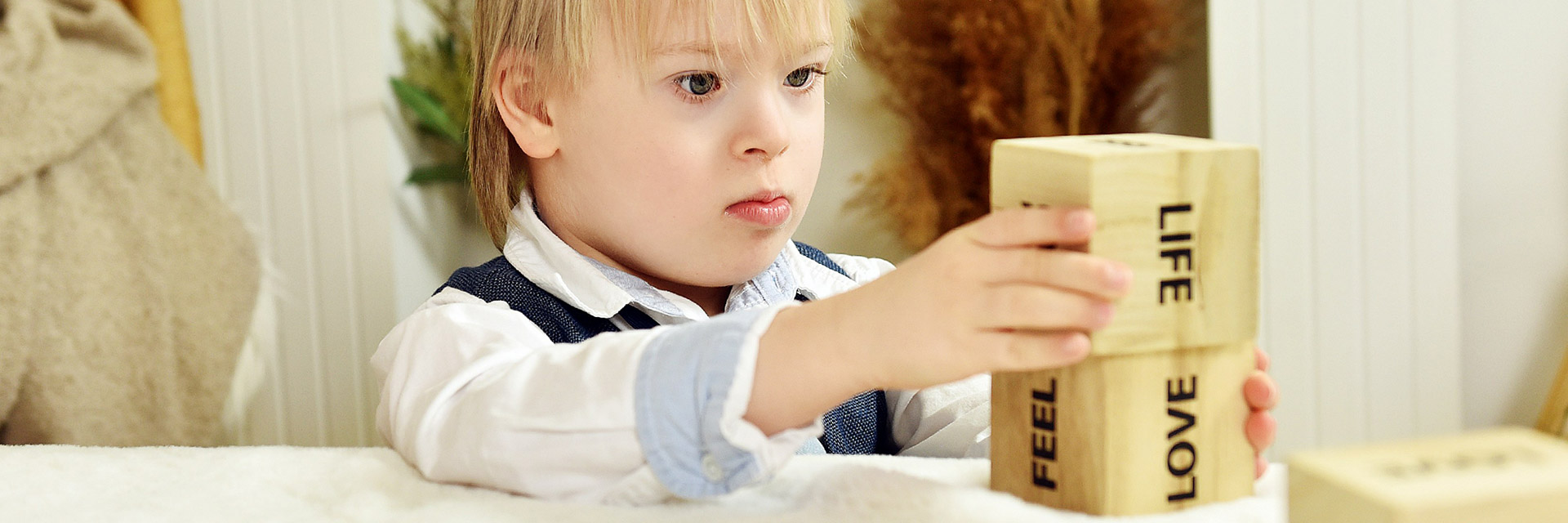
This lesson plan aims to foster self-confidence in toddlers through engaging and interactive activities. It begins with a circle time discussion where children are encouraged to share their experiences of bravery while looking in a mirror, creating a joyful atmosphere. The session includes an affirmation activity where each child expresses something they appreciate about themselves by passing around a soft toy or puppet.
Following this, toddlers engage in an art activity, illustrating moments when they felt brave, which promotes self-expression and reflection on their unique attributes. The lesson features a game called "Follow the Leader," allowing children to take turns leading physical activities, reinforcing their ability to be confident leaders.
To further enhance the theme of confidence, a musical dance party with simple instruments encourages free movement and self-expression without fear of judgment. The lesson concludes with a group reflection, where children share what brave actions they aspire to take in the future, supported by positive affirmations to celebrate their growth. Throughout the plan, emphasis is placed on participation and reinforcement, creating a supportive environment aimed at building confidence in each child.
This lesson plan is designed to teach toddlers essential teamwork skills through interactive play and activities. The session begins with a group discussion about the concept of teamwork, followed by a reading of a picture book that illustrates collaboration. An icebreaker activity encourages children to pass scarves around the circle, fostering communication and cooperation.
The main activity involves dividing the children into small groups to build a bridge using large building blocks, promoting teamwork as they discuss and share responsibilities. After a movement break featuring a dance party with musical instruments, the lesson concludes with a reflection circle where children share their experiences and feelings about working together. Throughout the session, the emphasis is on encouraging positive communication, sharing, and supporting one another, making the idea of teamwork both fun and relatable for toddlers.
In this lesson plan for toddlers, students will develop problem-solving skills through engaging activities that emphasize collaboration and communication. The session begins with a circle time discussion, where children listen to a story that features a problem and explore the challenges the characters face. They then identify common problems through pictures and express their feelings related to them.
Next, children are divided into small groups to work with building blocks, addressing specific problem scenarios. They collaboratively create solutions by constructing a "bridge" with the blocks, symbolizing their approaches to resolving conflicts with peers. Afterward, students have the opportunity to express their ideas creatively by drawing their envisioned solutions on paper.
The lesson concludes with a wrap-up circle, where each group shares their creations and reflects on the learning experience. Throughout the session, teachers will assess the children's participation and ability to communicate and collaborate, helping to lay the groundwork for essential social skills as they develop.
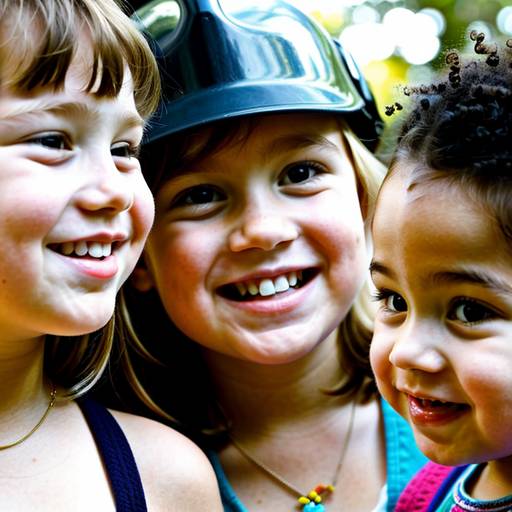
This lesson plan focuses on helping toddlers develop their self-confidence through interactive and engaging activities. The session begins with a simple discussion about confidence, encouraging children to understand and express the concept effectively.
Storytime features a children's book that highlights themes of bravery and self-acceptance, prompting children to share their thoughts and feelings about the characters. A mirror activity allows each child to see their reflections and express different emotions, fostering self-recognition and positivity.
Movement is incorporated through a fun, upbeat dance, encouraging children to express confidence through physical expression. Following this, a creative drawing session allows children to illustrate things that make them feel confident, promoting self-expression and creativity.
The session concludes with a group chant of positive affirmations, reinforcing messages of bravery and self-worth. Children share their artwork and reflections, and receive stickers as a reward for participation. Observations during the lesson will help assess their engagement and understanding. Extensions include a Confidence Wall for displaying their work and planning future lessons that build on teamwork and social skills. Overall, the lesson creates a supportive environment for toddlers to embrace their individuality and build self-confidence through play and interaction.
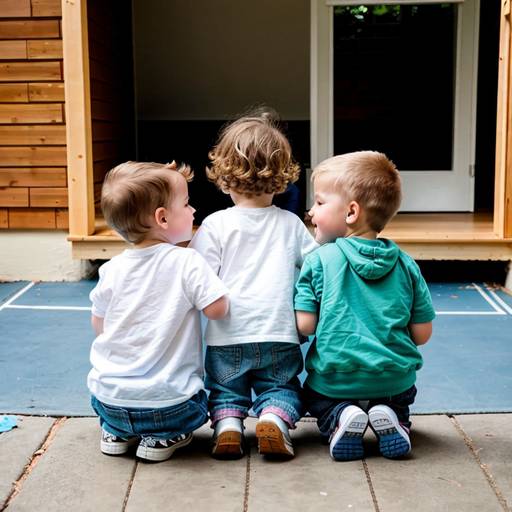
This lesson plan aims to help toddlers understand the concept of friendship and develop essential social skills through interactive activities focused on kindness and sharing. The session begins with circle time, where children engage in a discussion about friendship after listening to a picture book. They then participate in an activity where they can give friendship tokens to peers, promoting appreciation and positive interactions.
Cooperative play is facilitated with soft toys, encouraging children to communicate and work together on shared tasks. Following this, a craft activity allows children to create friendship cards for their classmates, reinforcing their understanding of friendship. The lesson concludes with a closing circle, where children share their thoughts about friendship and sing a friendly song together.
Throughout the lesson, children’s interactions and use of kind language are observed to assess their engagement and understanding. The plan includes suggestions for extending the theme of friendship through future activities. Overall, this lesson fosters a nurturing environment where early social skills can flourish while celebrating the importance of friendship.
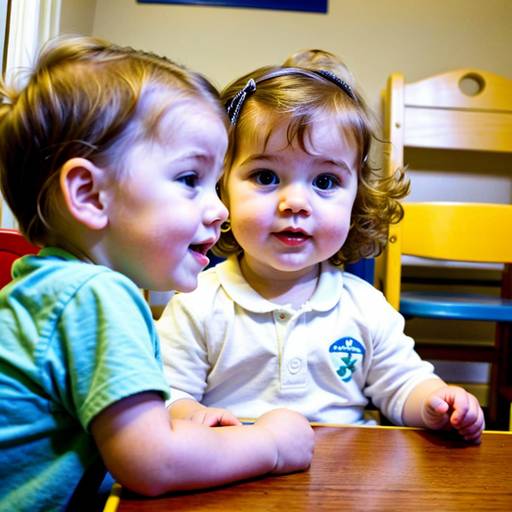
This lesson plan focuses on helping toddlers develop empathy by recognizing and expressing their own feelings while also understanding the emotions of their peers. The session begins with an interactive introduction where children gather in a circle to discuss feelings illustrated by emotion flashcards. Through a storytelling segment, they engage with a narrative that highlights the importance of empathy, facilitating discussions about characters' emotions and needs.
Following the story, children participate in a role-playing activity with plush toys, acting out scenarios that reflect various feelings and demonstrating how to offer comfort. An art activity allows them to express their emotions visually by drawing experiences related to happiness, sadness, or other strong feelings.
The lesson concludes with a reflective exercise using mirrors, where children can see how emotions are expressed on their faces. Throughout the session, active participation and engagement are encouraged, promoting understanding and kindness in their interactions. The plan also suggests ways to incorporate ongoing empathy practices in the classroom environment.
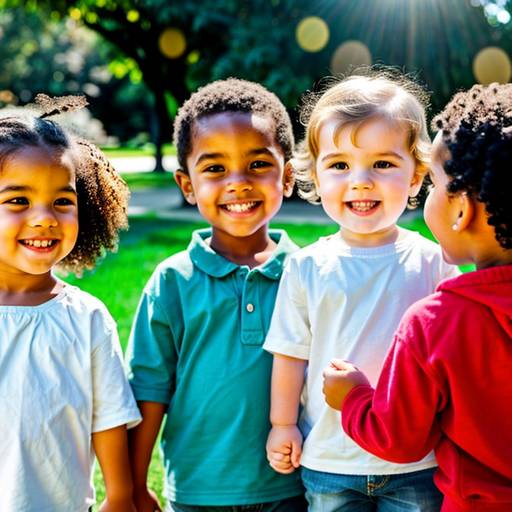
This lesson plan focuses on helping toddlers understand the concept of respect by celebrating individual differences. Through a series of engaging activities, children will explore what makes them and their peers unique. The lesson begins with a circle time discussion where the idea of respect is introduced, followed by a story that highlights diversity. Children will then participate in a reflective exercise using mirrors to identify positive aspects of themselves before creating artwork that represents their individuality and appreciation for their friends.
The plan includes an interactive role-play activity to practice respectful greetings and sharing, reinforcing positive social interactions. To culminate the lesson, children will enjoy an upbeat song that celebrates friendship and diversity, encouraging movement and participation. The entire experience is designed to foster a sense of community and respect among peers, with opportunities for ongoing reflections and activities to maintain the discussion beyond the lesson.
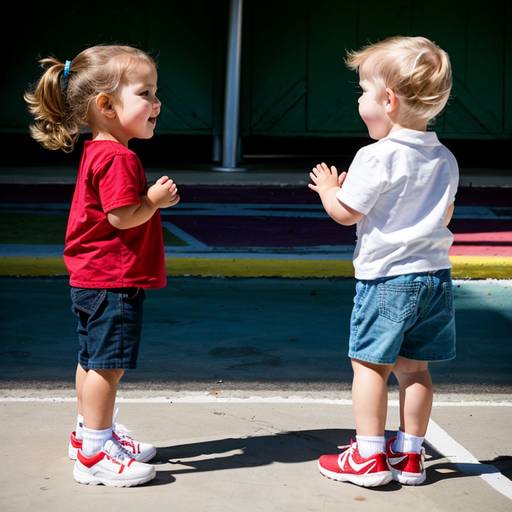
This lesson plan aims to enhance toddlers' communication skills by fostering their understanding of emotions and encouraging positive interactions through engaging activities. The session begins with a group gathering, where children are introduced to the concept of communication through a cheerful song and a discussion about sharing feelings.
The first activity involves using emotion flashcards to help children identify and express various feelings. This is followed by an interactive storytime where children respond to emotional prompts related to characters in the book. The third activity utilizes puppets to demonstrate different communication styles and allows children to role-play conversations, emphasizing the importance of taking turns in speaking and listening.
To promote active engagement, a musical passing game is incorporated, where children pass a toy while music plays and share their thoughts when the music stops. The lesson concludes with a reflective circle, encouraging children to share what they learned about talking and listening. Overall, the activities are designed to develop toddlers' verbal and non-verbal communication skills while building a foundation for positive social interactions. Suggestions for continued practice at home are provided to support ongoing learning in a supportive environment.
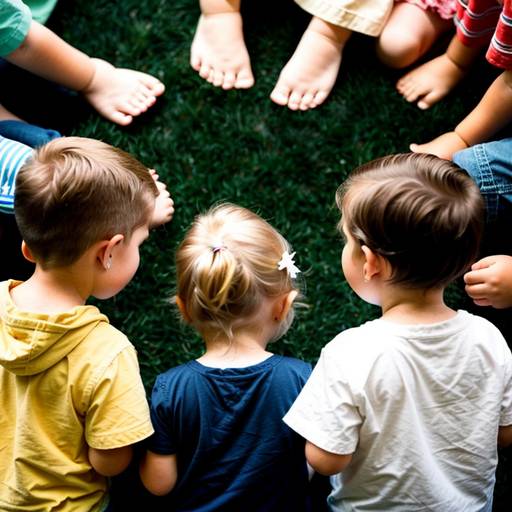
This lesson plan focuses on teaching toddlers about friendship through engaging activities, discussions, and storytelling. The session begins with a welcoming circle where children explore the concept of friendship and feelings using emotional expression cards. A friendship-themed story is read aloud, encouraging interaction and comprehension as children discuss the characters' actions and caring behaviors.
An interactive "Kindness Circle" allows each child to share kind words about their peers, fostering positive communication. Subsequently, they create personalized "Friendship Cards" for classmates, reinforcing the idea of sharing and making others feel special. Finally, the session concludes with a reflection and a fun friendship song, promoting cooperation and enjoyment. Throughout the activities, children's interactions and engagement are observed to assess their understanding of friendship, and follow-up activities are suggested to continue developing these important social skills in a supportive environment.
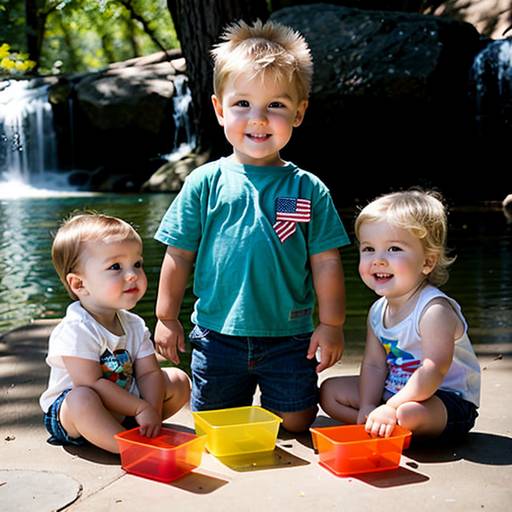
In this toddler lesson plan focused on teamwork, children will engage in a series of activities designed to foster cooperation, communication, and problem-solving skills. The session begins with a circle time discussion introducing the concept of teamwork, accompanied by a story that illustrates its importance.
Following this, the children participate in three collaborative activities. First, they work in small groups to build the tallest tower possible using blocks, emphasizing the value of working together and sharing ideas. Next, they create a large group artwork, which highlights each child's unique contributions. Finally, they play a bean bag toss game, where they take turns and cheer for their teammates, reinforcing the importance of encouragement and support.
The lesson wraps up with a reflective discussion about their experiences and feelings regarding teamwork, allowing children to articulate what they learned. Overall, the lesson aims to enhance children's social skills while providing a fun and interactive environment.