
Filters
Level
Grade
Subject
Subject Area
Subject Topic
Standard(s)
Audience
Keyword
DurationMinutes
Toddler Nature And Science Lesson Plans

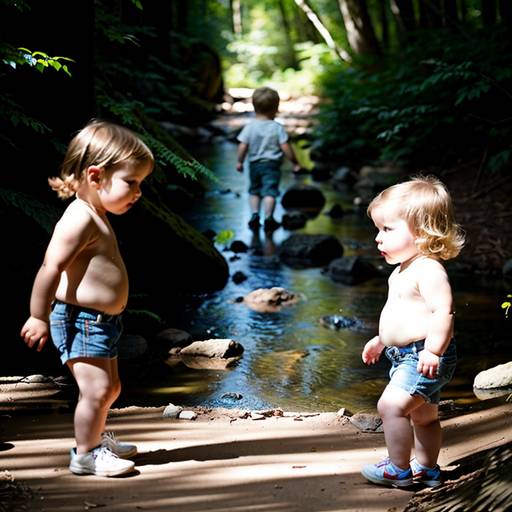
This engaging lesson plan for toddlers focuses on sensory exploration of natural materials, encouraging curiosity about textures and sounds in the environment. The session begins with a welcoming circle where children share their observations of nature and discuss their senses.
The main activity features sensory bins filled with various textures such as sand, water, and rice, allowing children to touch and manipulate materials while developing fine motor skills. A short nature walk encourages children to collect small natural items, fostering discussions about their tactile and auditory experiences.
Following this, an art activity invites children to draw their favorite items from the exploration, reinforcing their sensory experiences through creative expression. The lesson concludes with a sharing circle where children reflect on what they learned, promoting communication and language development. Cleanup includes discussions about each material's properties, encouraging mindfulness about nature. The lesson can be adapted to expand on children's interests and can be enriched with storytelling or observations of seasonal changes in nature.
This lesson plan focuses on engaging toddlers in sensory play by exploring various natural materials found outdoors. It begins with a nature walk, allowing children to collect different items such as leaves, twigs, and stones while discussing their textures and characteristics. Back in the classroom, sensory bins filled with these natural materials encourage open exploration and tactile interaction. Children use their hands to feel and manipulate the items, as well as magnifying glasses to examine details closely. The lesson culminates with a creative expression activity where children make nature art using the materials they've gathered. Afterward, a reflection discussion allows children to share their experiences and favorite discoveries. The plan emphasizes skill development, sensory awareness, and fostering a connection with nature, while providing an opportunity for creative expression and teamwork. Extensions include a nature-themed storytime and potential planting activities to deepen the learning experience.
In this engaging lesson, toddlers will explore the concept of seasons through a series of interactive activities designed to enhance their understanding of the changes that occur in nature throughout the year. The lesson begins with a circle time discussion where children share their favorite seasons while looking at picture cards representing spring, summer, fall, and winter. A seasonal-themed storybook is then read aloud, highlighting the different seasons and encouraging participation.
Following the story, children have the opportunity to engage with real-life seasonal items, allowing them to touch and observe materials related to each season, thereby stimulating their senses. An art activity follows, where children create a season wheel by decorating a circular cardboard piece with images representing each season.
To keep the energy high, toddlers participate in a movement activity involving songs related to each season, allowing for creative expression through dance. Finally, the lesson concludes with a reflection circle, where children share their favorite moments and reinforce what they've learned. This comprehensive approach combines sensory exploration, creativity, and cognitive development, providing a well-rounded understanding of the seasons. Extensions like nature walks and collages further reinforce the concepts introduced in the lesson.
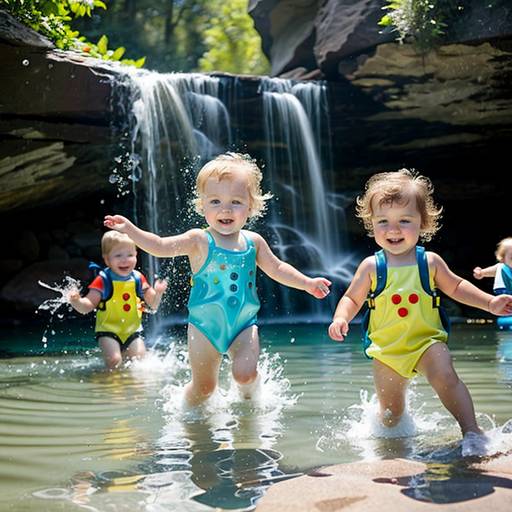
In this toddler-focused lesson plan, students will engage in hands-on exploration of water and its properties through various sensory activities. The session begins with an introductory discussion that encourages curiosity and connections to everyday life. Children will first explore a sensory table filled with water, where they can pour, measure, and observe how different natural items react in water. The activities then move outdoors or to a larger space for free play, where they can use various containers and tools to further investigate water, including interactive play with plastic animals or toys.
After the playtime, students will participate in a cleanup session, fostering teamwork and responsibility. The lesson concludes with a reflective circle, discussing their favorite parts of the activities and what they learned about water. To reinforce the exploration, a simple art activity related to the water theme allows children to express their creativity and share their experiences. The plan emphasizes sensory engagement, communication skills, and scientific curiosity, while also providing opportunities for language development and teamwork. As a follow-up, additional activities are suggested to extend the exploration of water and its various forms in future lessons.
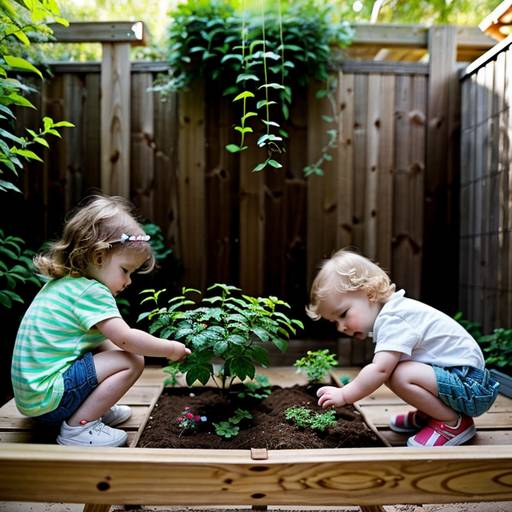
In this engaging lesson plan designed for toddlers aged 2-4, students will explore the fundamentals of gardening through hands-on activities and sensory experiences. The lesson begins with a discussion on plant growth, allowing children to share their thoughts and observations about gardens.
Participants will then engage in a hands-on planting activity, where they will fill pots with soil, plant seeds, and learn about the importance of watering plants. A nature walk will follow, encouraging children to collect various natural items, which they can explore in a sensory play activity.
To foster creativity, children will also have the opportunity to draw their favorite plants and decorate their pots with stickers and drawings. The lesson concludes with a wrap-up discussion to reinforce learning and a healthy snack that connects plants to food. Throughout the session, students will develop a deeper understanding of gardening concepts and an appreciation for the natural world, while encouraging ongoing curiosity and exploration.

This lesson plan focuses on introducing toddlers to various types of weather, such as sunny, rainy, snowy, and windy, through interactive discussions, sensory exploration, and creative activities. The session begins with a circle time where children engage with picture cards depicting different weather conditions and participate in a read-aloud session featuring a weather-themed book.
As part of hands-on learning, children rotate through three activity stations: a sensory station where they create weather scenes using materials like cotton balls and felt; a rainy day play station with a spray bottle for simulated rain and floating boats; and a dress-up station where they can role-play different weather scenarios with props.
The lesson concludes with a sharing circle where children express their favorite weather types and celebrate what they created. To reinforce learning, a simple song about weather is sung, encouraging movement and participation. Follow-up activities include crafting a "Weather Wheel" to take home and planning outdoor experiences that allow children to explore weather in real-life contexts. The plan emphasizes observation, participation, and engagement as key indicators of the children's understanding and interest in weather concepts.
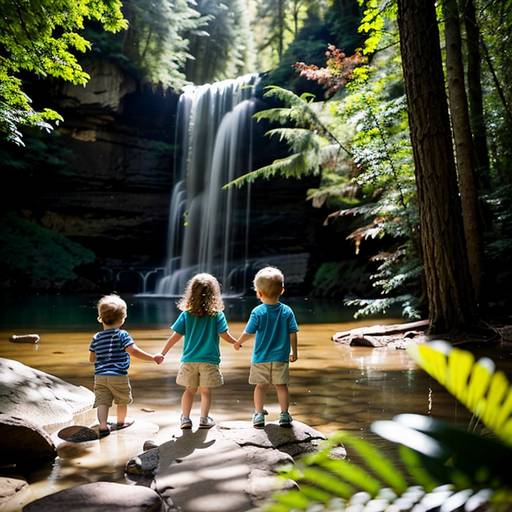
This lesson plan focuses on engaging toddlers in outdoor exploration to foster curiosity and observation skills. It begins with a brief introduction to nature exploration, equipping children with magnifying glasses for closer examination of their surroundings. The main activity involves a nature scavenger hunt, where they search for specific items in their environment with the help of adults, using their senses to experience various natural elements. After the hunt, children participate in a group discussion, sharing their findings and observations. This is followed by a creative drawing activity, allowing them to express their experiences visually. The lesson concludes with a reflection on their discoveries and encourages further exploration with family. Throughout the activities, caregivers assess engagement and understanding, creating a foundation for a lasting connection with nature and science.
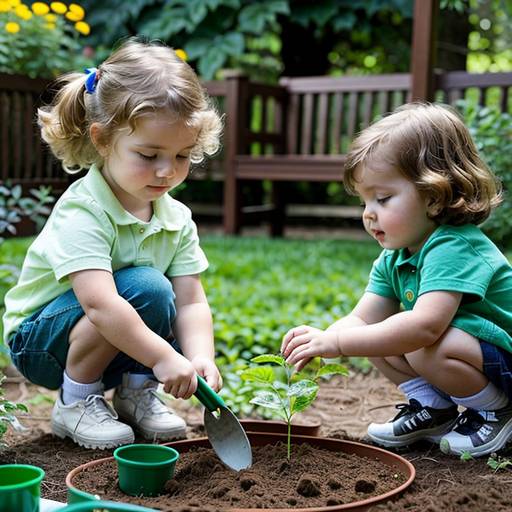
This toddler-friendly lesson plan revolves around introducing young children to the world of gardening and nature. The session begins with a captivating story about plants, followed by an engaging exploration station where children can interact with sensory materials like soil, rocks, and leaves. In hands-on planting activities, small groups of children use child-sized gardening tools to fill pots with soil and plant seeds or seedlings, while learning about the essentials that plants need to grow. Following the planting, children express their creativity by drawing what they enjoyed most during the gardening experience. The lesson concludes with a group discussion where children share their thoughts and observations, reinforcing their learning and excitement about caring for their plants in the days to come. Throughout the activities, educators focus on fostering curiosity, language development, and a sense of wonder about the natural world.
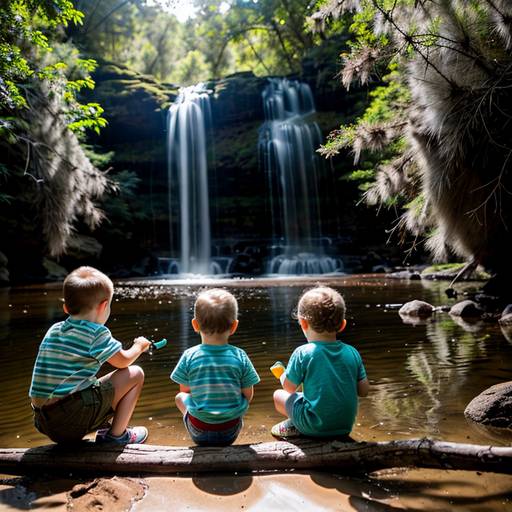
This lesson plan is designed for toddlers ages 2-4 and focuses on exploring various animals and their habitats through interactive and sensory-rich activities. The session begins with a welcoming circle where children are introduced to the theme of animal exploration. An engaging storytime featuring nature-themed books allows children to discover different animals and practice imitating their sounds.
Participants engage in hands-on exploration by visiting designated habitats represented by cardboard cutouts, where they discover animal figurines or photos and learn about the animals that inhabit each environment. A sensory bin filled with animal figurines and natural materials provides an opportunity for tactile exploration, encouraging children to share their findings with the group.
To enhance auditory skills, children participate in a fun game identifying animal sounds through audio clips, followed by a creative drawing activity where they depict their favorite animal from the day's exploration. The session concludes with a reflection where children share their experiences, wrapped up with a lively animal-themed song or dance. Throughout the lesson, the focus is on fostering curiosity about the natural world and developing observational skills through play and creativity.
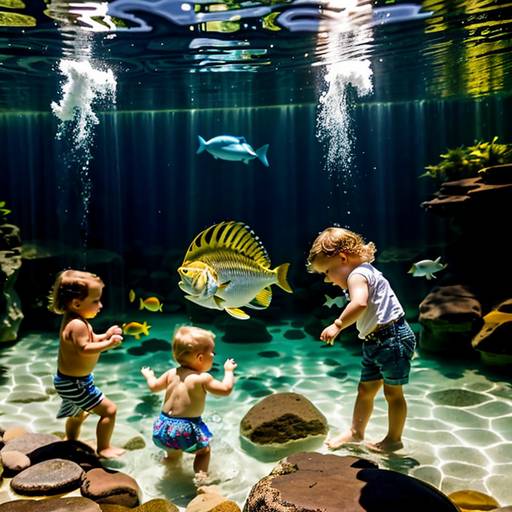
This lesson plan focuses on introducing toddlers to the properties and significance of water through hands-on exploration and sensory activities. It begins with a circle time to read a nature-themed story that emphasizes the role of water, followed by a water exploration station where children engage in pouring, scooping, and experimenting with floating and sinking objects. They will also create a miniature water habitat with plastic animals and natural items. The lesson includes a sensory play area featuring water painting and ice exploration, encouraging the use of descriptive language. Finally, the session concludes with a group reflection to share experiences and reinforce learning, followed by a collaborative cleanup to teach responsibility. Extension activities are suggested, such as creating a recycled water feature or planning a nature walk to observe real aquatic environments. Overall, the lesson aims to foster curiosity and a love for nature while enhancing sensory play and language development.