
Filters
Level
Grade
Subject
Subject Area
Subject Topic
Standard(s)
Audience
Keyword
DurationMinutes
Toddler Nature And Science Lesson Plans


This toddler lesson plan focuses on exploring animals in nature through engaging activities designed for children ages 2-4. The session begins with a circle time where children share their favorite animals and listen to a picture book about animals. Following this, they participate in an energetic animal movement activity that encourages them to mimic different animal behaviors.
Next, children engage in a sensory exploration station featuring a habitat sensory bin, where they can discover various textures related to animals while answering guiding questions.
The lesson continues with a creative arts activity where children make animal masks or drawings, fostering their artistic expression. Once indoors, a nature walk allows toddlers to search for real animals or their signs, with an optional bingo game to enhance their observational skills.
The session concludes with a reflection period where children share what they learned, followed by a fun goodbye song that reinforces animal sounds. Materials needed include a picture book, sensory bin items, crafting supplies, and nature bingo cards. The overall aim is to instill curiosity about animals and their environments through interactive and hands-on experiences.

This lesson plan focuses on introducing toddlers to the properties of water through interactive and sensory-rich activities. The session begins with a group discussion to spark curiosity and awareness of water's characteristics. Children will engage in hands-on exploration at various stations, where they can pour and scoop water, experiment with objects to observe floating and sinking, create color mixes using food coloring, and discover how natural items behave in water.
After individual exploration, the group will reconvene to share their favorite experiences, reinforcing their learning through discussion. The session concludes with a fun water-themed song or rhyme and a collaborative cleanup to promote responsibility. Optional extension ideas suggest further exploration at home and nature walks to deepen the children's understanding of water in their environment. Throughout the lesson, careful supervision ensures safety and encourages a joyful and engaging learning experience.
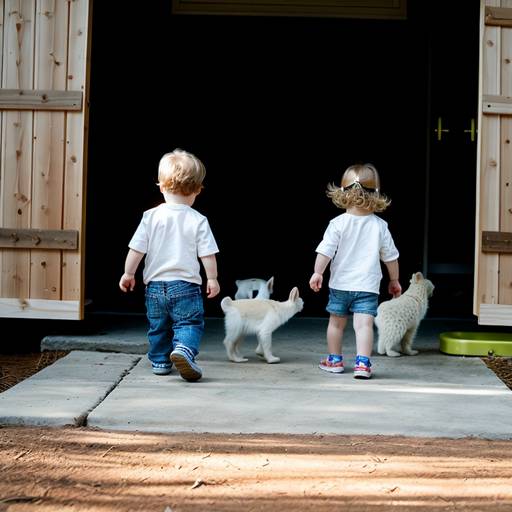
In this engaging lesson plan, toddlers will embark on a hands-on journey to discover the fascinating world of animals. The session begins with a circle time where children share their favorite animals and explore various types, facilitated by picture books. Following this, a captivating storytime introduces different animals and their habitats.
The core of the lesson features interactive exploration stations. At the puppet show station, children engage in imaginative play by mimicking animal movements and sounds. The observation station allows them to examine natural items using magnifying glasses, while the sound station invites them to identify animal sounds. In the creative station, they express themselves by drawing their favorite animals on large paper.
As a fun culminating activity, the children participate in an animal parade where they act like their chosen animals, embodying their characteristics. The lesson concludes with a group discussion and a healthy snack, allowing children to share their experiences and reflections.
Overall, this lesson fosters curiosity about animals and nature while promoting creativity, observation skills, and social interaction among young learners.
This lesson plan focuses on introducing toddlers to the fascinating properties of water through engaging and sensory-rich activities. Children will begin by observing water in a clear container and discussing its characteristics. They will participate in three exploration stations: pouring and filling containers, experimenting with floating and sinking items, and using sponges to grasp how they absorb water. A mini science experiment will allow them to mix water with blue food coloring, encouraging discussions about mixing and water movement. Following free exploration with various materials, children will assist with cleanup, fostering a sense of responsibility. The session concludes with a group reflection on their favorite activities. Throughout the lesson, children will enhance their hands-on skills, social interaction, and foundational understanding of basic scientific concepts related to water. Extensions can be planned to deepen their exploration in the following days.
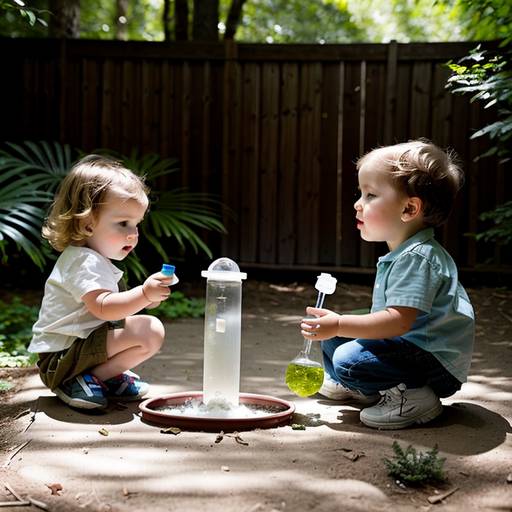
This engaging outdoor exploration lesson for toddlers encourages them to discover and interact with nature through hands-on activities. During the hour-long session, children will utilize magnifying glasses to closely examine various natural items, participate in a scavenger hunt to find specific leaves, flowers, and rocks, and engage in sensory exploration to describe their findings. After the adventure, they will have the opportunity to create art by drawing their favorite discoveries, fostering creativity and communication skills. The lesson concludes with a shared group reflection, reinforcing the vocabulary related to nature. Overall, this experience promotes curiosity, social interaction, and an appreciation for the environment, while enhancing observational and language skills in young learners. Future opportunities for exploration can be planned to build on their excitement and understanding of the natural world.
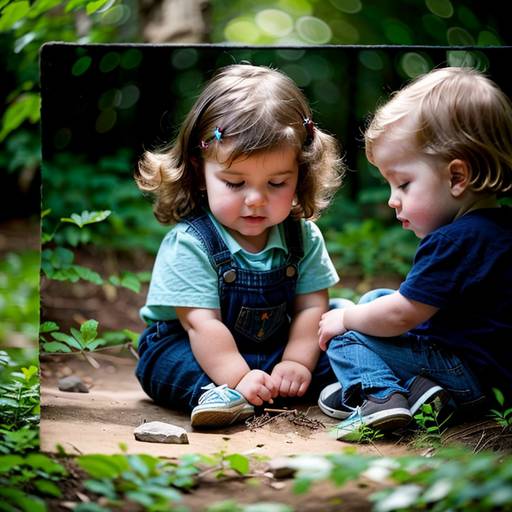
In this toddler-focused lesson plan, students will explore the outdoors and engage in a hands-on crafting activity using collected natural materials. The session begins with a storytelling introduction that emphasizes the beauty and importance of nature, followed by a guided nature walk where children gather leaves, flowers, and twigs.
Upon returning to the classroom, students will create nature collages on cardstock or construction paper, arranging their found items and using glue, markers, and crayons to express their creativity. As they work, they will develop fine motor skills and artistic expression.
The lesson concludes with a sharing circle where children present their artwork, describing the materials they used and what they enjoyed about the experience. This activity promotes a deeper appreciation for nature while fostering communication and collaboration among peers. Adaptations for varying skill levels are included, ensuring that all children can participate and enjoy the crafting process. An optional closing activity, such as a nature-themed song or dance, reinforces the connection to nature and keeps the energy high.
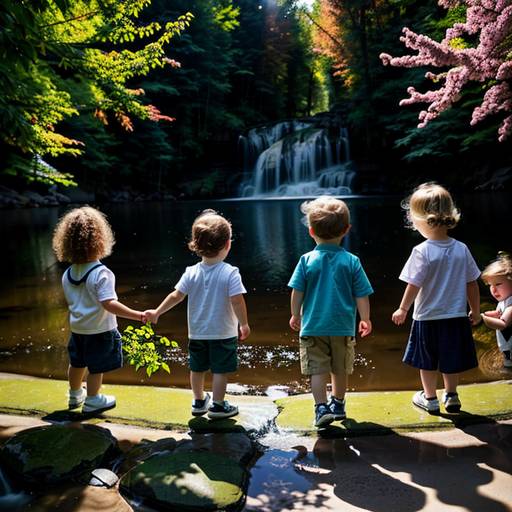
This lesson plan aims to introduce toddlers to the concepts and characteristics of the four seasons through a variety of engaging activities. The session begins with a welcoming circle, where students share their favorite season, followed by a story time featuring a picture book that highlights seasonal changes. Children then explore seasonal nature items, fostering sensory experiences and discussions about each season's unique features.
In the arts and crafts portion, toddlers create artwork representing their favorite season using construction paper and various craft supplies. Afterward, they participate in movement activities by dancing to seasonal music, allowing them to connect with the content physically. The session concludes with a reflection circle where children share their thoughts and learnings, reinforcing their understanding of seasonal themes. Overall, this lesson provides a hands-on and interactive way for young learners to deepen their appreciation of nature's cyclical changes throughout the year.
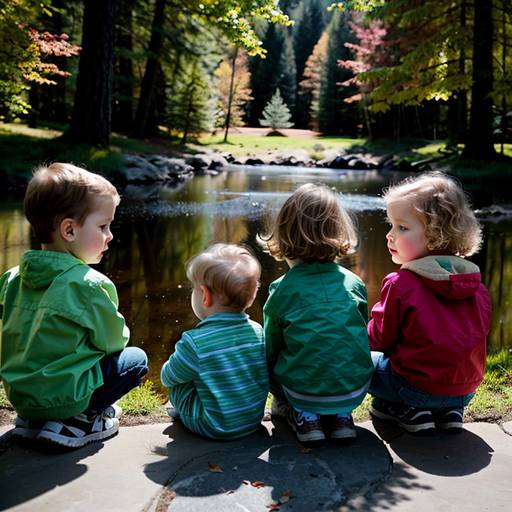
This lesson plan is designed for toddlers to explore and understand the concept of seasons through interactive activities. The session begins with a circle time discussion where children are introduced to the four seasons using visual aids. A short story is read to highlight the characteristics of each season, followed by a sorting activity that involves seasonal clothing items, helping toddlers recognize what to wear during different times of the year.
The lesson includes a nature exploration segment where children can feel natural items representative of each season, such as leaves and flowers. Following this, a creative art activity allows toddlers to express their favorite season through drawings. The lesson concludes with a closing circle, where children share their favorite season and reflect on what they learned. Extension activities encourage further exploration of seasonal changes in nature. Overall, the plan combines discussion, hands-on learning, and artistic expression to engage toddlers in understanding the beauty and diversity of the seasons.
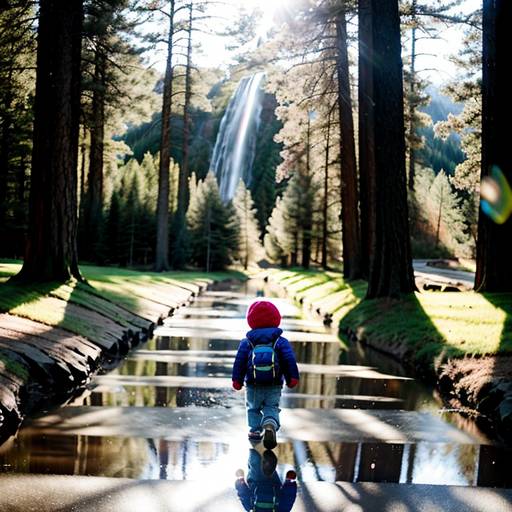
This lesson plan focuses on introducing toddlers to various types of weather through hands-on activities and creative exploration. The session begins with a circle time discussion, where children engage with picture cards representing sunny, rainy, windy, and snowy weather.
Next, students participate in sensory exploration at different hands-on stations, where they experience the feel of sunshine with scarves, simulate rain with spray bottles, feel wind from a fan, and play with snow-like materials. Following this, they create art by drawing their favorite weather scenes and crafting cotton ball clouds on blue paper.
The lesson also includes a storytime segment featuring a weather-related book, promoting language development and understanding of how weather affects daily life. To conclude, children engage in a fun weather-themed dance, embodying different weather types. Throughout the lesson, the children’s participation and enjoyment are observed to gauge their understanding of the concepts introduced.
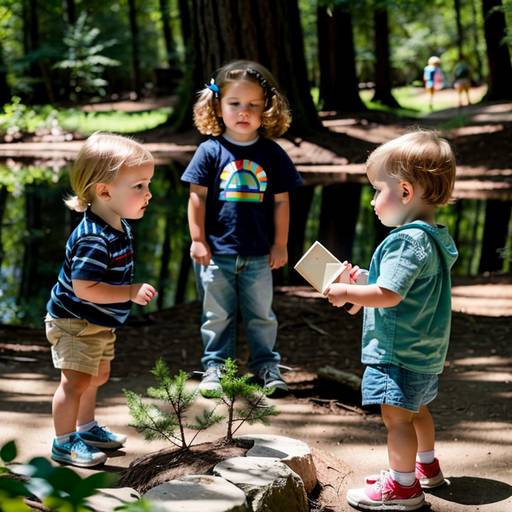
This lesson plan focuses on engaging toddlers in hands-on nature crafts that foster creativity and a love for the natural world. It begins with an interactive discussion about nature and its elements, followed by a nature walk where children collect various natural materials. Back in the classroom, they create unique collages using their findings and additional art supplies. Each child shares their creation with the group, helping to develop communication skills and foster a sense of community. The lesson includes opportunities for assessment based on participation and expression, and offers ideas for family engagement and extensions. Adaptations are suggested to accommodate different skill levels, ensuring an inclusive atmosphere for all learners.