
Filters
Level
Grade
Subject
Subject Area
Subject Topic
Standard(s)
Audience
Keyword
DurationMinutes
Toddler Language Development Lesson Plans
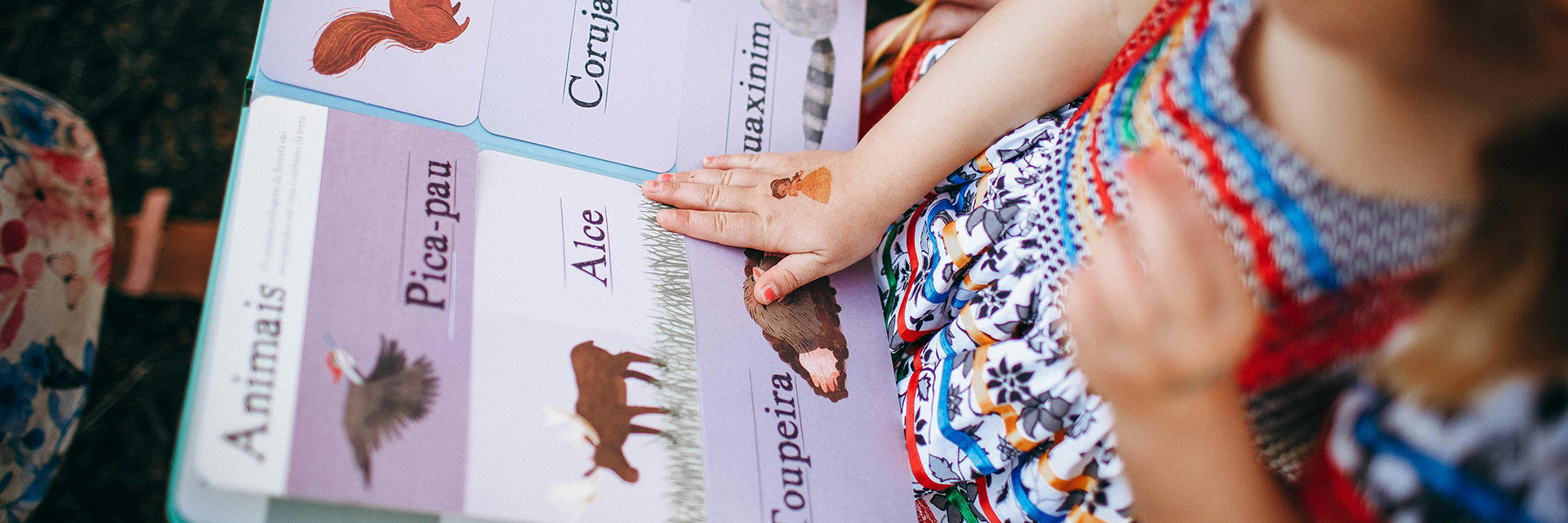
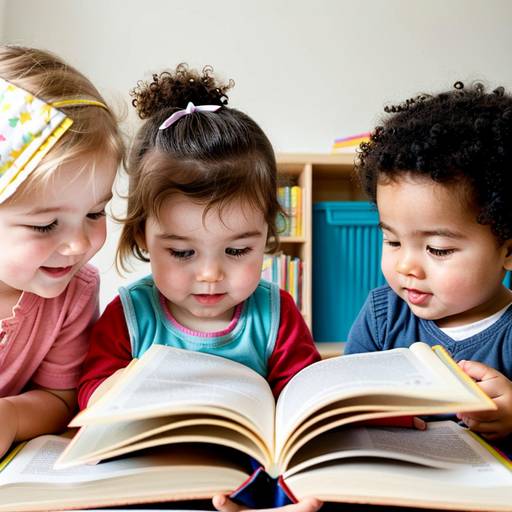
This lesson plan focuses on enhancing pre-reading skills for toddlers aged 18 months to 3 years through interactive and engaging activities. The session begins with a cozy welcome, followed by a dynamic story time that encourages participation through sound repetition and picture recognition. Children then engage with large picture cards, identifying objects and playing a simple "I Spy" game to reinforce vocabulary. Puppet play allows them to reenact parts of the story, fostering creativity and comprehension. An art activity follows, where toddlers create drawings based on their favorite characters, facilitating expression and discussion. The lesson concludes with a group sharing session and a fun song, solidifying the day's learning. Caregivers are encouraged to continue the reading experience at home, and extensions include creating story bags and planning library visits to further cultivate a love for books. The lesson aims to create a joyful, language-rich environment that supports early literacy development.
In this lesson plan designed for toddlers aged 2-3 years, students will focus on enhancing their phonemic awareness through engaging activities centered around sounds and music. The session begins with a group circle where children are introduced to the theme of sounds. They will sing familiar songs, encouraging them to participate by making animal sounds and responding to questions about various noises.
Next, the lesson features an interactive game using flashcards, allowing children to identify sounds from pictures of animals and vehicles. This is followed by a rhythm and movement activity where children use rhythm instruments to play along, fostering their sense of beat and movement in relation to sound. A storytelling segment features a book with repetitive sounds, promoting listening skills and engagement as children are invited to join in on the sound patterns.
To connect sounds with letters, a large poster board of the alphabet is introduced, prompting children to identify sounds associated with each letter. The lesson concludes with a closing circle where children share their favorite sounds or songs, reinforcing their learning experiences. Observations on participation and engagement are made throughout the session, guiding future lesson planning. Additionally, parents are provided with follow-up resources to encourage sound exploration at home. This comprehensive approach creates a fun and interactive learning environment that nurtures early phonemic awareness skills.

This lesson plan aims to enhance phonemic awareness in toddlers by engaging them in interactive activities that focus on recognizing and producing sounds, rhythms, and rhymes. The 30-45 minute session includes warm-up sound exploration using rhythm sticks and maracas, a lively storytime featuring rhythmic and rhyming books, and an energetic dance segment where children can express themselves through movement.
Children will participate in an interactive rhyming game using picture cards, followed by a creative craft activity where they create their own rhyme picture and share it with the group. The lesson concludes with a closing circle, allowing children to reflect on their experiences and practice verbal expression. Throughout, the lesson emphasizes fun and engagement, encouraging toddlers to explore sounds and words in a playful context, which supports early literacy development.
This lesson plan focuses on enhancing toddlers' listening and comprehension skills through engaging activities. It begins with a warm-up game where children guess various familiar sounds, fostering their auditory recognition. Following this, an interactive storytime session encourages participation as children answer questions and visualize characters through vivid illustrations. Musical activities allow toddlers to explore rhythm using colorful instruments while incorporating movement to facilitate deeper engagement. An imaginative play segment reinforces comprehension, where children share and mimic sounds associated with flashcards of animals or objects. The lesson concludes with a group discussion, allowing children to share their favorite sounds and reinforce vocabulary learned. Through diverse activities, this lesson aims to cultivate a love for listening and storytelling in young learners.
This toddler language development lesson plan focuses on enhancing phonemic awareness through engaging and interactive activities. The objectives include helping children recognize and manipulate sounds in spoken words while improving their listening skills and auditory discrimination.
The lesson begins with a warm-up song to capture the children's attention and introduces various sounds from their environment. Using a collection of household objects and toys, children learn to identify and mimic the sounds these items make. They then participate in a sing-along with musical instruments, emphasizing rhythm and rhymes.
Next, a sound matching game encourages children to connect pictures of familiar objects with their corresponding sounds, reinforcing memory and recognition skills. The lesson concludes with a calming reflection, where children share their favorite sounds and engage in a soft, interactive song.
Assessment is based on the children's ability to participate and mimic sounds throughout the activities. Extensions for the lesson encourage families to explore sounds together at home, further fostering phonemic awareness. Overall, the plan emphasizes playful exploration of sounds, essential for laying the groundwork for language and reading development.
This lesson plan focuses on enhancing toddlers' listening and comprehension skills through interactive storytelling and sound identification activities. The session begins with a brief discussion about listening, encouraging children to share sounds they hear in their environment. A picture book with lively illustrations is read aloud, with pauses for questions to engage the children and prompt responses. Following the story, an audio game introduces various sounds, prompting children to identify and mimic them, reinforcing their understanding.
Hands-on exploration with toy musical instruments allows children to listen to a rhythm and imitate it, creating a lively atmosphere. The lesson concludes with a closing circle where children reflect on their favorite sounds and participate in a repetitive song. Assessment is based on observations of attentiveness, engagement, and participation throughout the activities. Extensions encourage continued listening practice at home and introduce a “sound jar” for future exploration. Overall, the lesson aims to cultivate a love for listening and strengthen comprehension skills in a fun, interactive environment.
This lesson plan focuses on introducing toddlers to phonemic awareness through a series of engaging activities designed to promote sound recognition and production. The lesson begins with a fun sound exploration using sound jars to stimulate listening skills. Following this, toddlers participate in an interactive picture sound match, where they identify and replicate initial sounds of different objects and animals.
To add a physical element, a movement activity involves hopping to picture cards that correspond to specific sounds, reinforcing their learning through play. The session concludes with a calming sound storytime, where toddlers engage with a rhythmic story and participate in clapping or repeating sounds. The lesson emphasizes active participation, social interaction, and the development of foundational phonemic awareness skills, encouraging continued reinforcement at home through simple activities.

This lesson plan focuses on enhancing toddlers' narrative skills through interactive storytelling activities. It begins with a circle discussion about stories, followed by a lively read-aloud of a selected picture book, encouraging children to engage through predictions and emotions. After the reading, children participate in retelling the story with a felt board, using visual aids to illustrate key elements. They then use puppets to create and share their own mini-stories, fostering imagination and dialogue. As a creative outlet, children draw scenes from their favorite stories or invent their own narratives, promoting artistic expression and verbal storytelling. The session concludes with a fun song related to storytelling, reinforcing the theme and encouraging movement. Throughout the lesson, children's participation and ability to articulate their ideas are observed to assess their narrative development. The plan also suggests creating a dedicated storytelling space for continued exploration and engagement in future sessions.
This lesson plan focuses on enhancing pre-reading skills in toddlers aged 18-36 months through interactive storytelling, vocabulary development, and sensory play. The session begins with a circle time introduction, where children are engaged in a lively storytelling experience using colorful board books. During the reading, educators encourage participation by asking questions about the pictures and fostering connections between spoken and written language.
Following the story, a vocabulary-building game incorporates picture cards, prompting children to repeat and match objects with corresponding toys from a sensory bin filled with rice or sand. This sensory activity enhances their recognition and descriptive skills as they explore and identify figures.
The lesson also includes a creative expression segment where children are invited to draw their favorite part of the story or a toy they discovered, providing them an opportunity to share their artwork and verbalize their thoughts. The session concludes with a review of new vocabulary, reinforcing learning through repetition, and ends with a sing-along to celebrate the day's adventures in language.
Throughout the lesson, educators assess children's engagement and participation, adjusting activities as needed to cater to varying language levels and interests, ultimately fostering a positive environment that promotes a love of reading.
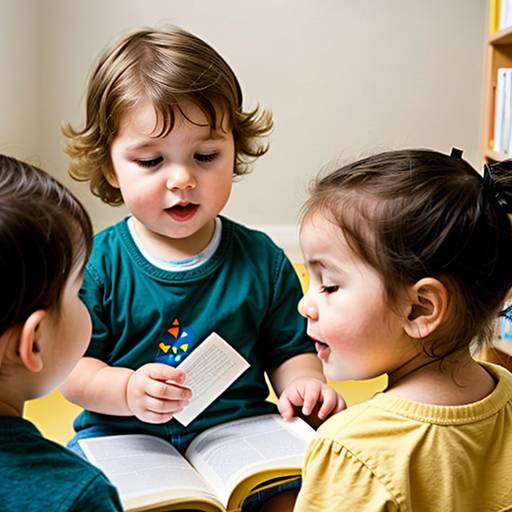
This lesson plan focuses on enhancing toddlers’ listening and comprehension skills through interactive storytelling and sound activities. The session begins with a welcoming circle and an introduction to the importance of listening. Children then gather for an engaging read-aloud using a vibrant storybook, where expressive storytelling and visual aids keep their attention while encouraging participation through open-ended questions.
Following the story, children get hands-on experience with soft musical instruments, mimicking sounds related to the story and participating in a fun “sound parade.” The lesson concludes with a wrap-up discussion, where children are invited to share their favorite parts of the story and specific sounds they remember. Finally, a goodbye song reinforces listening skills and provides closure.
Throughout the lesson, educators assess children's participation and comprehension through observation and engagement, ensuring an inclusive environment that adapts to varying needs for a rich learning experience.