
Filters
Level
Grade
Subject
Subject Area
Subject Topic
Standard(s)
Audience
Keyword
DurationMinutes
Toddler Language Development Lesson Plans
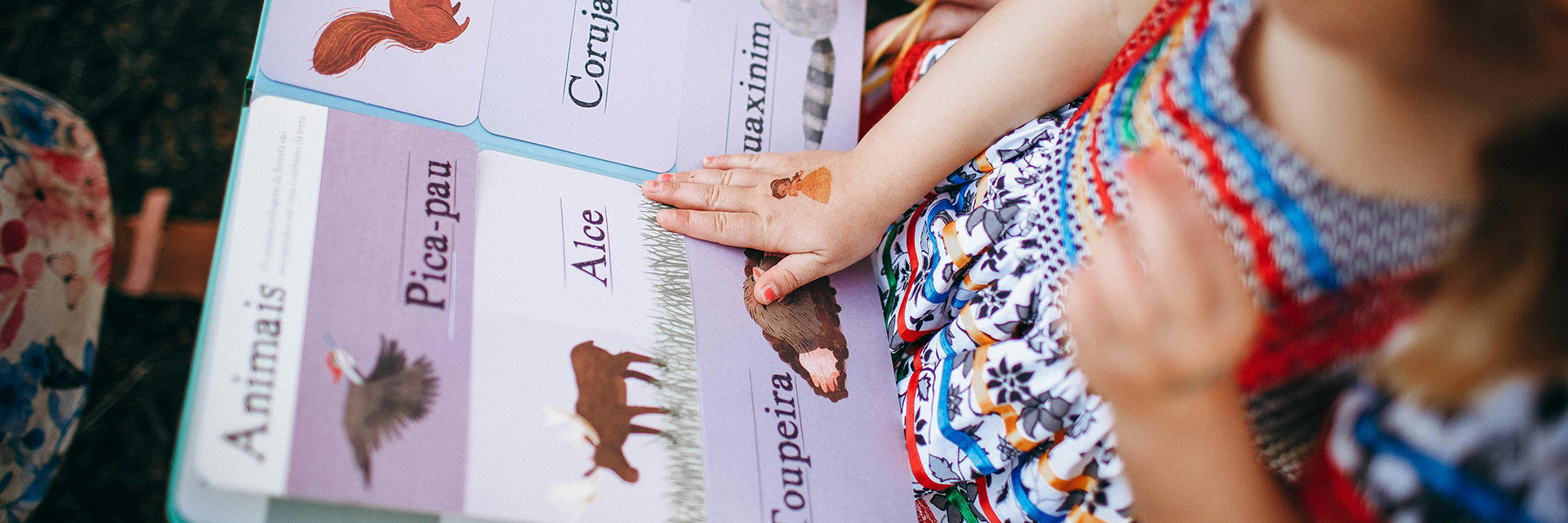
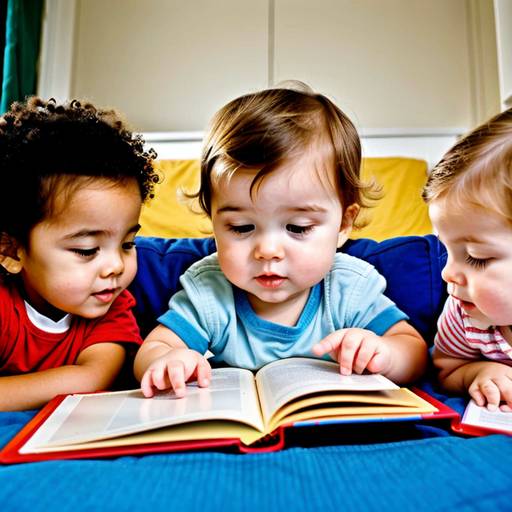
This lesson plan focuses on enhancing toddlers' pre-reading skills through a series of engaging activities designed to foster language development. The session begins with a welcoming song to create an inviting atmosphere, followed by interactive storytime where children listen to a picture book, point out objects, and participate in discussions. Phonemic awareness is promoted through hands-on activities using letter blocks or magnets, encouraging toddlers to recognize and repeat simple sounds. Flashcards are utilized to help children associate words with images, enhancing their vocabulary and recall abilities.
Creative expression is incorporated as toddlers draw their favorite character from the story, allowing for individual expression and conversation about their artwork. The session concludes with a closing circle where children sing a song related to letters or storytelling and recap the day’s activities, reinforcing their learning experience. The lesson emphasizes a supportive environment, encouraging parental involvement in reading and language activities at home. Adjustments are suggested to cater to diverse developmental levels, ensuring a nurturing space for exploration and participation.
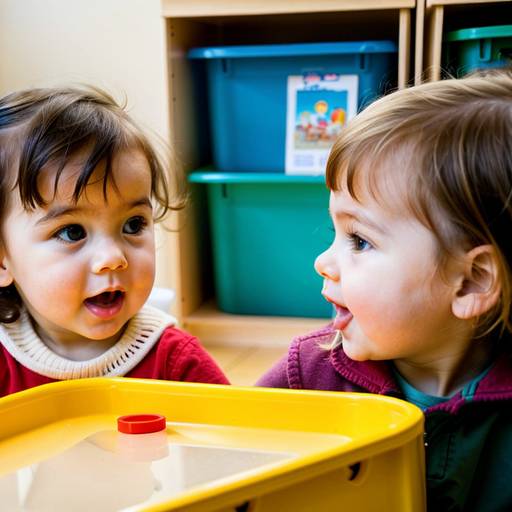
This lesson plan focuses on developing conversation skills for toddlers aged 2-3 through interactive and playful activities. The session begins with a welcome song to create a welcoming atmosphere, followed by a warm-up activity where children mimic animal sounds to encourage listening and turn-taking.
The main activities include a storytime segment, where toddlers are prompted to engage with questions about illustrations in a picture book, fostering their ability to express thoughts. In small groups, children interact with puppets to practice conversation skills, with an emphasis on dialogue and sharing ideas. A movement break with music helps to refresh the toddlers and allows for self-expression.
As they gather again, toddlers participate in a block building activity, where they collaboratively create structures and discuss their choices, further promoting conversation and teamwork. The session concludes with a sharing segment, where children reflect on what they built and their puppet interactions, followed by a goodbye song. Throughout the lesson, the focus is on enhancing toddlers' ability to initiate conversations, take turns, and communicate effectively in a supportive environment. Observations during the activities help assess each child's progress in their conversational abilities, with follow-up activities suggested to reinforce these skills in everyday settings.
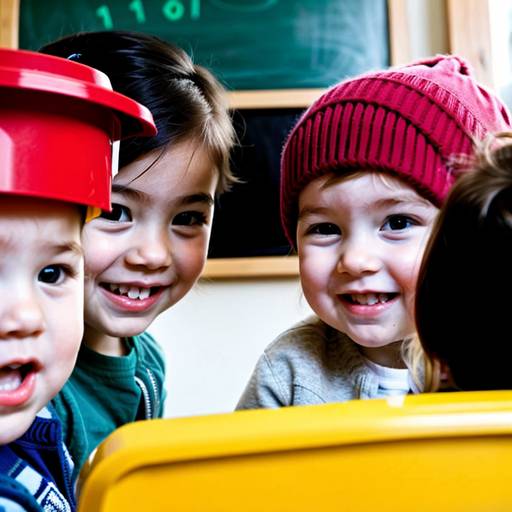
This lesson plan focuses on developing conversation skills in toddlers aged 2 to 4 years. The session begins with an introduction to conversation basics, including turn-taking and listening, illustrated through a puppet demonstration. Engaging activities include an emotion express game, where children identify and articulate feelings, and a storytime segment featuring a repetitive text that encourages participation and interaction.
Children then participate in a group activity using puppets to practice dialogue while adhering to turn-taking principles, aided by a timer to keep time. Following this, they have the opportunity to express their creativity by drawing scenes of conversations, which they later share with the group. The lesson concludes with a review of key concepts learned and encourages children to practice conversations at home. Assessment is conducted through observation of participation and engagement during activities, helping foster foundational communication skills in a fun and interactive environment. Extensions for home practice are also suggested for parents.
This lesson plan is designed for toddlers aged 2-3 years, focusing on enhancing their communication skills through a variety of interactive and engaging activities. The session begins with a welcoming circle time that includes singing and rhythm creation with instruments. Story time follows, where a picture book is read aloud to promote vocabulary and listening engagement.
Children then participate in a flashcard activity to identify objects and associated sounds, followed by an active listening game requiring them to follow movement instructions based on sounds. Puppet play allows for role-playing and expressive language practice, encouraging the children to interact and respond to prompts.
Open play provides opportunities for self-directed narratives using blocks and toys, promoting language use during imaginative scenarios. The lesson concludes with a reflective cool down, where children share their experiences and favorite moments. Assessment is conducted through observations of participation and vocabulary use, and caregivers receive a follow-up list of words to reinforce learning at home. The plan emphasizes creating a fun and supportive environment to foster confident communication among toddlers.
The lesson plan focuses on enhancing toddlers' communication skills through engaging, play-based activities. It begins with a welcoming circle time where children are greeted by a puppet and encouraged to participate. The session includes an interactive storytime featuring a picture book that highlights vocabulary and sound effects, prompting children to respond to questions about the story.
Next, toddlers engage with vocabulary flashcards to reinforce language by identifying and verbalizing familiar objects and actions. A movement and sound activity follows, where they use musical instruments to make sounds while singing and incorporating physical movements that connect verbal language to action.
The lesson continues with a creative expression segment, where children draw their favorite animal or character from the story and share their creations. The session concludes with a closing circle, inviting each child to share a new word they learned and sing a goodbye song.
Throughout the lesson, teachers observe participation and the children’s use of vocabulary, providing positive reinforcement to encourage language exploration. Extensions include creating a "word wall" in the classroom to promote continued language exposure and generating fun word games during snack time. Overall, the lesson aims to create a joyful, supportive environment for toddlers to develop their communication skills.
The lesson plan focuses on enhancing toddlers' listening and comprehension skills through interactive storytelling and engaging activities.
The session begins with gathering the children in a circle to introduce the concept of stories and adventures. An age-appropriate storybook is read aloud, incorporating different character voices and pauses for prediction and comprehension questions. Following the story, an interactive discussion encourages children to express their thoughts about characters and events while using picture cards for reinforcement.
A movement activity involves playing simple instruments while engaging children in actions related to the story, reinforcing comprehension through physical expression. Afterward, the children participate in a creative follow-up activity by drawing their favorite characters, fostering individual expression and conversation about their artwork.
The lesson concludes with a closing circle where children share their drawings and engage in a short goodbye song, incorporating movements discussed during the lesson. Throughout the session, educators observe children's engagement levels and responsiveness, using this feedback to enhance future lessons. This approach ensures a fun and interactive learning experience while promoting listening and comprehension skills.
This lesson plan focuses on vocabulary building for toddlers aged 2 to 3 years, designed to introduce and reinforce five new words related to everyday objects and actions. The session begins with an engaging story that incorporates the target vocabulary. Following this, toddlers will participate in an interactive scavenger hunt, where they search for hidden items related to the vocabulary words, promoting active engagement and word recognition.
After the hunt, a story time reinforces the new words as children are encouraged to respond to questions using the vocabulary they've learned. The lesson also includes a creative coloring activity, allowing toddlers to express themselves while further solidifying their understanding of the new terms. Finally, the class wraps up with a review of the words and encourages participation through sharing their favorite terms. Throughout the lesson, the plan includes strategies to assess children's recognition and usage of the new vocabulary, with suggestions for extending learning at home. Overall, the lesson is designed to foster language development in a playful and interactive environment.
This lesson plan focuses on enhancing narrative skills in toddlers through interactive and play-based activities. Designed for children aged 2-4, the session begins with a lively circle time where a picture book is read aloud, fostering discussion and engagement. Children then participate in story creation using props related to the book, encouraging them to develop their own stories collaboratively. Following this, they share their narratives with the group, promoting confidence and communication skills. A visual story map activity helps children understand story structure as they illustrate key elements of their stories together. The lesson concludes with a group reflection, allowing children to express their thoughts on storytelling. Throughout the activities, careful observation assesses verbal expression, engagement, and comprehension, ensuring support is tailored to each child's needs. Additional follow-up activities encourage continued storytelling at home and in the classroom. This approach cultivates creativity, imagination, and a love for stories in a supportive and collaborative environment.
This lesson plan focuses on enhancing toddlers' conversation skills through engaging activities that promote interaction and communication. The session begins with a circle time where children introduce themselves and share their favorite things to build familiarity and encourage listening. A storytime activity follows, featuring a picture book that prompts responses and discussions, fostering the ability to express thoughts and ask questions.
Children then participate in a conversation cards activity, taking turns asking and answering questions based on the images or prompts provided. The lesson includes imaginative play in a pretend cooking scenario, encouraging collaborative conversation as they engage in role-play and practice turn-taking.
Finally, the session concludes with a closing circle where children can share their experiences. Throughout the lesson, observation of each child's participation offers insight into their conversational abilities, while positive reinforcement helps build their confidence. Parents are encouraged to extend these conversation skills at home through open-ended questions and interactive storytelling. Overall, the plan aims to create a fun and supportive environment that fosters essential communication skills among toddlers.
This lesson plan focuses on enhancing toddlers' narrative skills through interactive storytelling activities. In a 30-minute session, children will engage with picture books, building their understanding of story structure by identifying elements such as the beginning, middle, and end. The session begins with a read-aloud, where the teacher uses expressive voices to maintain engagement and encourages discussion about the story. Following the reading, toddlers will retell the story using visual story cards and puppets, fostering their verbal expression and comprehension. To promote creativity, children will draw their favorite part of the story or invent their own narratives, sharing them with the group. The lesson concludes with a celebration of each child's unique contributions, reinforcing the value of storytelling and imagination. Assessment will be based on participation, engagement, and verbal expression throughout the activities. A follow-up activity encourages family involvement in storytelling at home.