
Filters
Level
Grade
Subject
Subject Area
Subject Topic
Standard(s)
Audience
Keyword
DurationMinutes
Toddler Fine Motor Skills Lesson Plans

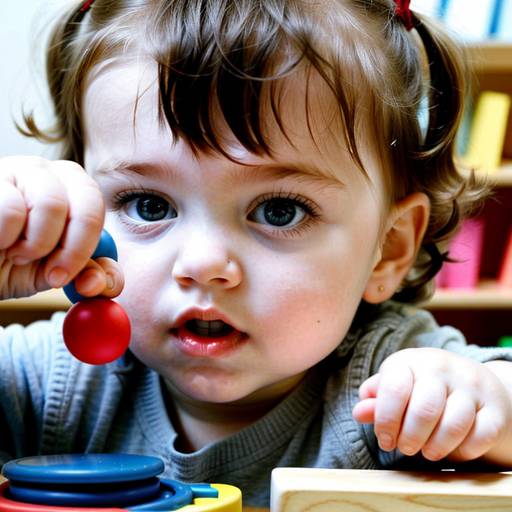
This lesson plan focuses on enhancing toddlers' hand-eye coordination through a series of engaging, playful activities. The session begins with a brief introduction to the concept of hand-eye coordination, followed by a warm-up activity involving balloon tossing, where children practice tracking and catching objects.
The main activities include a ball-catching game, encouraging turn-taking and teamwork, and a block-building challenge that fosters fine motor skills through manipulation and stacking. The lesson concludes with a reflection period, where children share their favorite parts, reinforcing their understanding of how their hands and eyes work together. An optional drawing activity allows for creative expression while continuing to develop fine motor skills. Throughout the lesson, emphasis is placed on safety, cooperation, and positive reinforcement, ensuring a supportive and interactive environment for all participants.
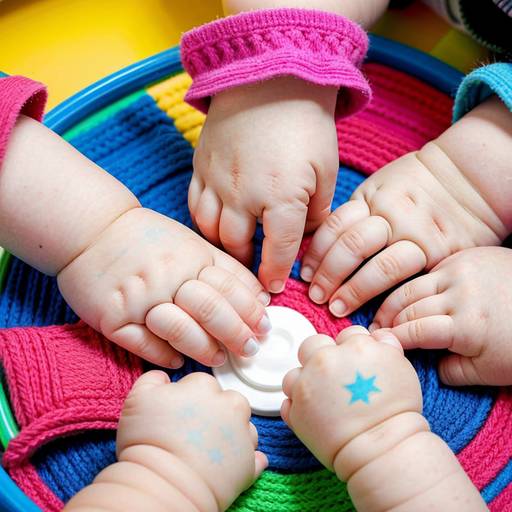
This lesson plan is designed for toddlers aged 18 to 36 months and aims to enhance their finger dexterity through a series of engaging activities that promote fine motor skill development. The session includes various activity stations where children can squeeze soft balls, manipulate playdough, use clothespins for sorting, and create art with crayons and markers. Additionally, toddlers will practice using tongs to transfer small objects, fostering hand-eye coordination. A group bubble activity encourages interactive play, allowing children to experience the joy of manipulating bubbles with their fingers. The lesson concludes with a reflection period where children share their favorite activities and demonstrate their new skills. Observations during the activities will inform assessments of their dexterity, while suggestions for home activities will extend learning beyond the classroom.

This lesson plan focuses on enhancing toddlers' fine motor skills through interactive activities that promote precision and control. The session begins with a brief introduction to the importance of hand movements, followed by four engaging activity stations. In the first station, children use tongs to pick up colorful pom-poms and place them in bowls, fostering grip strength and color recognition. The second station allows for free play with playdough, encouraging creativity and finger strength. The third station involves stringing large beads onto shoelaces, which develops eye-hand coordination and dexterity. The final station introduces drawing with crayons and supervised cutting with child-safe scissors, promoting control over art tools and enhancing creativity.
After the individual activities, a group game called "Precision Toss" encourages turn-taking and hand-eye coordination through light tossing and catching of a bean bag. The session concludes with a group reflection, where children share their favorite activities and experiences. Throughout the lesson, instructors observe and provide positive feedback, emphasizing the significance of practice in developing fine motor skills and suggesting follow-up activities that integrate these skills into everyday routines. Overall, this lesson plan creates an engaging and supportive learning environment for toddlers to develop essential fine motor skills.
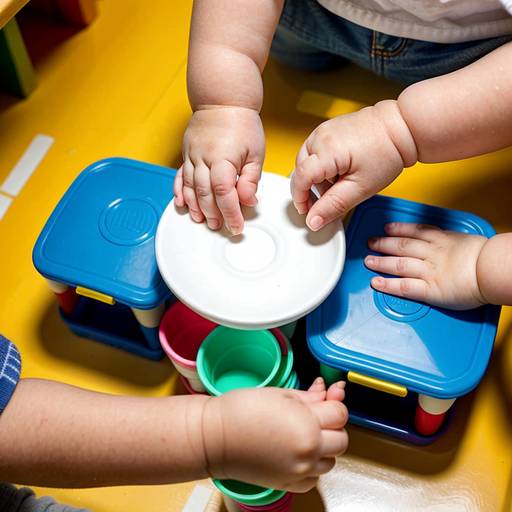
This lesson plan focuses on developing fine motor skills and hand-eye coordination in toddlers aged 2-4 through a series of engaging activities. The session begins with an introduction to hand-eye coordination, followed by a group activity where children stack colorful blocks to create towers, fostering both balance and strength in their hands.
Next, children participate in a sorting activity that involves picking up small objects with tongs and transferring them into designated bins based on color or shape, enhancing their dexterity and sorting skills. The lesson continues with an interactive bouncing ball activity, promoting tracking skills and teamwork as they roll or bounce balls to one another.
To conclude the lesson, children enjoy a fun bubble freeze dance, encouraging them to move, chase, and freeze while incorporating imaginative poses. The session wraps up with a discussion about their experiences and learning outcomes. Throughout, the emphasis is on skill development, engagement, and positive reinforcement, with suggestions for extending practice at home.
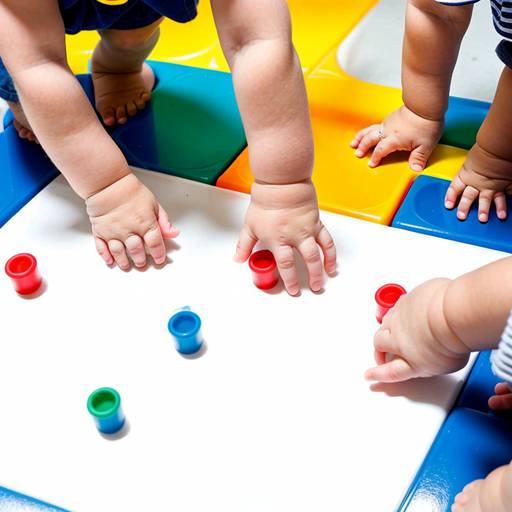
This lesson plan aims to enhance toddlers' fine motor skills, specifically focusing on hand strength and grip through a variety of engaging activities. The session includes five key activities designed to promote muscle development in the hands and fingers.
The first activity features playdough, where children roll, squeeze, and mold the material, encouraging hand strength. Next, they use plastic tweezers to transfer pom-poms between cups, practicing grip and fine motor control. In the third activity, small balls are utilized for tossing and catching to improve hand-eye coordination. The fourth activity involves using clothespins to strengthen finger muscles as children pinch and attach them to various surfaces. Optionally, a water play station with sponges allows children to practice squeezing while exploring sensory experiences.
The session concludes with a group discussion, where children share their favorite activities and reflect on what they learned. Overall, the plan fosters an enjoyable learning environment while supporting the development of crucial fine motor skills.
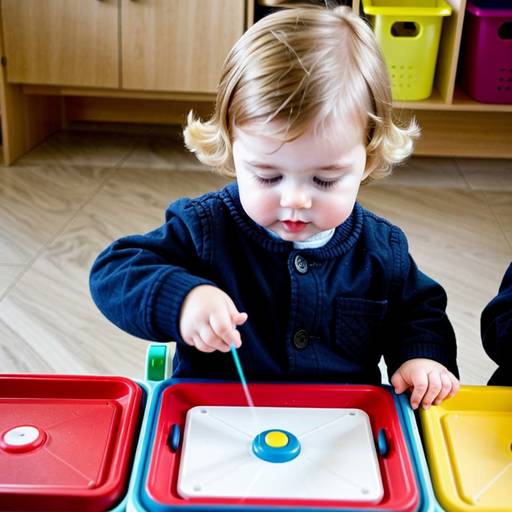
This lesson plan focuses on enhancing toddlers' fine motor skills through engaging activities that emphasize precision and control. Designed for children aged 2 to 4 years, the session lasts 45 minutes and includes a variety of hands-on experiences.
The lesson starts with an introduction that highlights the importance of using hands and fingers for various activities. Three interactive activity stations are set up, allowing children to rotate through them: one station features building blocks to promote balance and structure, another uses tongs to transfer small pom-poms, encouraging careful handling and grip, and the final station involves playdough where children can create shapes and figures with various tools.
After the activities, the class gathers for group sharing, giving each child the opportunity to discuss their favorite parts and challenges faced. The lesson concludes with a reflection on the skills practiced, reinforcing how these exercises will aid in their future daily tasks. Optional extension activities are provided for parents to continue developing fine motor skills at home. Overall, the plan fosters an encouraging environment that values effort and promotes skill development in a fun and playful way.
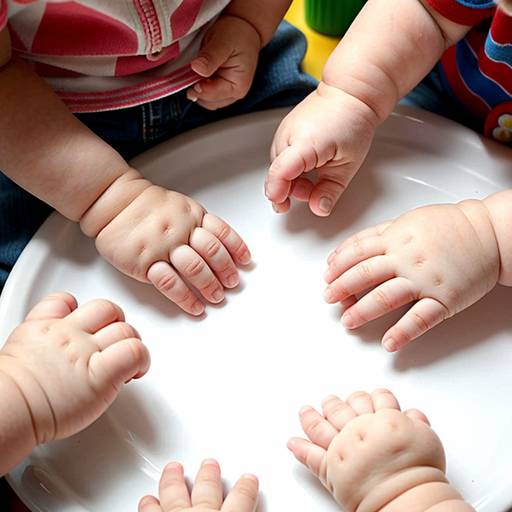
This lesson plan focuses on developing fine motor skills in toddlers through engaging and interactive activities that enhance finger dexterity. The session begins with an introduction that sparks excitement through a finger song, followed by a series of hands-on activities.
Children will participate in a pom-pom transfer exercise, using tongs to foster control and precision as they move colorful pom-poms between bowls. Next, they will explore their creativity with playdough, manipulating the material into various shapes to strengthen their finger muscles.
The lesson continues with a craft stick stacking challenge, encouraging balance and stability as children build towers. For those ready for more advanced skills, an optional cutting practice activity with safety scissors allows toddlers to develop their scissor skills.
The session concludes with a fun dance break, incorporating finger movements to celebrate their achievements. Throughout the lesson, observation will help assess each child's engagement and skill improvement, while discussions will reinforce their learning experiences. Extensions for home activities will also be suggested to further promote fine motor skill development.
This lesson plan focuses on enhancing fine motor skills in toddlers by engaging them in a series of hands-on activities that promote precision and control. The session begins with a welcome circle where children learn about fine motor skills and observe demonstrations of various tasks.
Children rotate through multiple activity stations that include manipulating play dough, transferring pom-poms using tweezers, squeezing sponges, drawing with crayons, and practicing cutting with child-safe scissors. Each station is designed to encourage the use of different fine motor techniques.
After completing the stations, the class participates in a relay activity that emphasizes teamwork and careful movements. The lesson concludes with a group discussion where children share their experiences and thoughts about the activities they've completed.
Throughout the lesson, teachers assess children's abilities and provide support as needed, ensuring each child has an opportunity to develop their skills further. Additionally, follow-up activities are suggested for continued practice in daily routines, reinforcing the importance of fine motor development in everyday life.
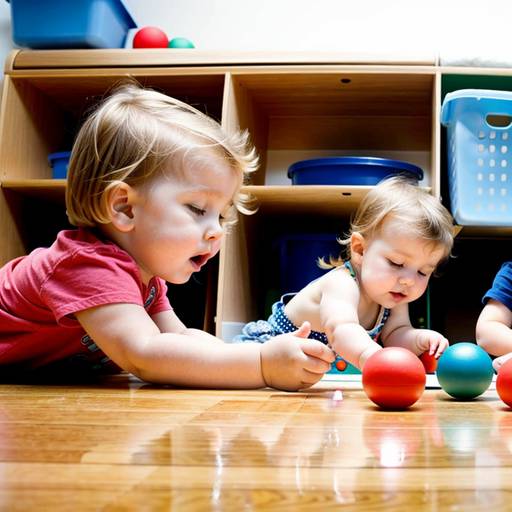
In this toddler-focused lesson, children ages 2 to 4 will participate in a variety of engaging activities aimed at developing their hand-eye coordination skills. The session begins with a warm-up that incorporates waving colorful scarves to promote arm movements and coordination. Following the warm-up, children will work in small groups to create and decorate target shapes using paper and markers, allowing for creativity and teamwork.
The main activity features a target practice game where children will practice throwing soft balls or bean bags towards their decorated targets, encouraging them to reach and aim while having fun. For the cool-down, a gentle rolling catch game will help reinforce their tracking and catching skills in a cooperative setting.
The lesson concludes with a group reflection, where children can share their favorite moments and express their feelings about the activities. Throughout the session, educators will observe each child’s progress and provide support, ensuring a positive and enjoyable learning experience. Adaptations will be made as necessary to accommodate varying skill levels, promoting confidence and success in all participants.
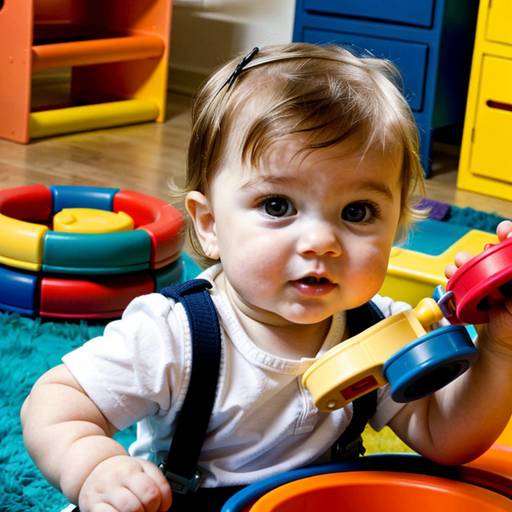
This lesson plan focuses on enhancing fine motor skills in toddlers by promoting grip strength and coordination through a series of engaging activities. The session begins with a warm-up circle that introduces the theme and encourages stretching. Children then explore a sensory play station featuring squeeze toys, stress balls, and playdough to develop their hand strength. An art corner allows them to practice cutting with safety scissors and coloring with crayons, while the movement zone involves an obstacle course for tossing and catching objects.
Further activities include a “fishing” game that uses tongs to transfer dried beans and a clothespin task to improve gripping techniques. The lesson concludes with a musical segment where children play shakers and drums, reinforcing their grip in a fun way. The session wraps up with a reflection circle, allowing children to share their favorite moments and reinforcing the importance of strong hands. Observations during activities will inform the children's progress, and follow-up at home will encourage continued practice of their developing skills.