
Filters
Level
Grade
Subject
Subject Area
Subject Topic
Standard(s)
Audience
Keyword
DurationMinutes
Preschool Technology Lesson Plans
This preschool lesson plan introduces young children to fundamental coding concepts such as sequencing, patterns, and algorithms through engaging, hands-on activities. The lesson begins with an interactive circle time where children explore the idea of giving instructions. A story that emphasizes sequences is read, prompting discussions about the order of events.
Next, children participate in a physical movement activity using a large grid, where they follow a series of directional instructions, helping them grasp the importance of sequencing. After that, they work in small groups to create visual patterns using colorful foam shapes or coding blocks, fostering collaboration and creativity.
The lesson culminates with hands-on exploration of coding toys, allowing children to program robotic devices to move in specific directions. The session wraps up with a group reflection, reinforcing what they learned about sequences and patterns while rewarding their participation with stickers. Overall, the lesson promotes critical thinking, problem-solving, and teamwork in a playful learning environment.
In this preschool lesson, students will engage in digital storytelling to foster creativity, language skills, and basic technology comprehension. The session begins with a discussion about storytelling, where students share their favorite stories and learn the elements of a good story. The teacher demonstrates the use of a story creation app on tablets, showcasing how to select backgrounds, add characters, and record narration.
Following the demonstration, students will brainstorm and sketch their story ideas using printed templates, promoting collaborative thinking and planning. Once ready, they will work individually or in pairs on their devices, creating their own digital stories with guidance from the teacher.
At the end of the session, students will present their stories to the class, helping to build confidence in sharing their work. The lesson wraps up with a reflective discussion, allowing students to share their experiences and thoughts on using technology creatively. This activity not only enhances their storytelling abilities but also familiarizes them with digital tools in a fun and interactive way. Extensions of the activity involve creating more stories and hosting a showcase for parents.
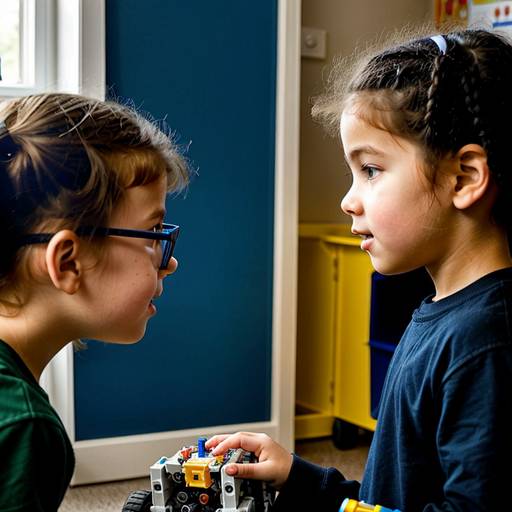
In this preschool technology lesson, students will explore the exciting world of robotics through engaging, hands-on activities. The session begins with an interactive read-aloud that introduces basic concepts of robots and encourages children to share their thoughts and experiences. Following this, students will engage with various types of toy robots, fostering discussion about their functions and features.
The main activity involves small groups building simple robots using LEGO kits, promoting teamwork and collaboration. Students will then transition to a basic coding experience using tablets or computers, where they will create simple command sequences to control their robots. To conclude the lesson, students will participate in a fun robot dance party, allowing them to express their creativity and movement.
The lesson wraps up with a reflection circle, where students share their experiences and insights gained throughout the activities. Assessment will focus on observation of participation and engagement, while extensions will encourage connections to home and potential follow-up lessons on robotics. The overall aim is to introduce preschoolers to the concepts of technology and robotics in a playful and enjoyable manner.
This preschool lesson plan integrates technology and art to engage young students in creative expression. The objective is to introduce children to digital art through interactive activities using tablets and art applications. The lesson begins with a discussion about different forms of art, followed by hands-on activities where students can create digital artwork in small groups. They also have the option to express themselves through traditional art using coloring supplies. Throughout the session, students share their creations, fostering collaboration and discussion about their artistic processes. By the end, they reflect on their experiences, celebrating creativity and the blend of technology with traditional art forms, while developing fine motor skills and confidence in expressing their ideas. The plan encourages future exploration of art and technology, aiming to nurture a sense of imagination and individuality among the children.
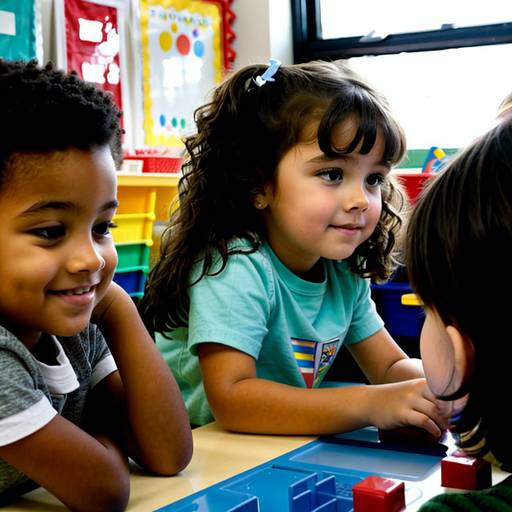
This preschool lesson focuses on introducing young children to basic technology concepts and devices. It begins with an interactive discussion where students explore various technology items, identifying their functions and sharing personal experiences. Following that, they engage in hands-on activities, rotating between stations with real devices such as tablets and toy laptops, emphasizing safe and respectful usage. The lesson continues with a creative component, where students design their own tech devices using craft materials, promoting imagination and artistic expression. The session wraps up with a group discussion for reflection and a fun closing activity, reinforcing the concepts learned. Throughout the lesson, observation of student participation aids in assessing their understanding, with opportunities for future activities to deepen their engagement with technology.
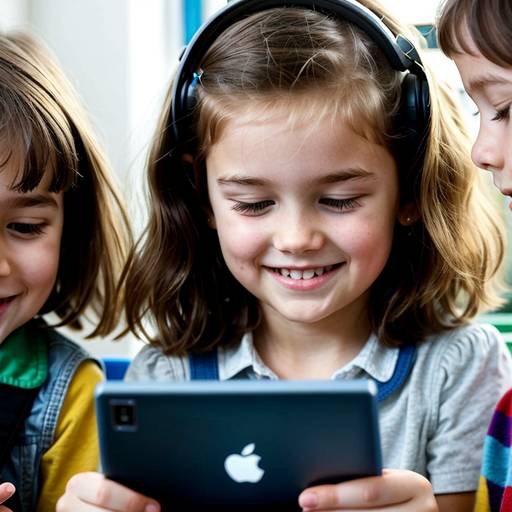
In this preschool lesson plan, students will engage in exploring digital creativity by utilizing technology tools to create their own digital art and stories. The session begins with a discussion about creativity, followed by a demonstration of a graphic design app that allows young learners to express their imaginations.
Students will then break into small groups to experiment with the app, creating their unique pieces of digital artwork based on their ideas or prompts. Throughout the activity, educators will circulate to provide support and encourage dialogue about their creations.
After completing their artworks, each child will present their creation to the class, sharing their thoughts and inspiration, while positive reinforcement is offered through stickers or stamps. The lesson concludes with a recap of key learnings and discussions on future creative endeavors at home. Extensions include providing resources for families and organizing a showcase to celebrate the students' digital creations. Overall, the lesson fosters digital literacy and imaginative expression in a fun and engaging environment.

This lesson plan is designed for preschool students to introduce them to the fundamentals of digital literacy through engaging activities. The session begins with a short video showcasing various technology devices and their uses, sparking discussions on how technology is integrated into daily life. Students are then divided into small groups to explore different learning stations, where they can interact with tablets to create digital stories, experiment with coding toys to grasp basic programming concepts, and express their creativity through drawing favorite tech devices. Following these activities, the class reconvenes to share experiences and insights from each station. The lesson concludes with a reflection where children can customize their digital stories, emphasizing the fun and helpful aspects of technology. Overall, the plan promotes engagement, collaboration, and thoughtful exploration of digital tools while ensuring that preschoolers grasp essential concepts in a safe and playful environment.
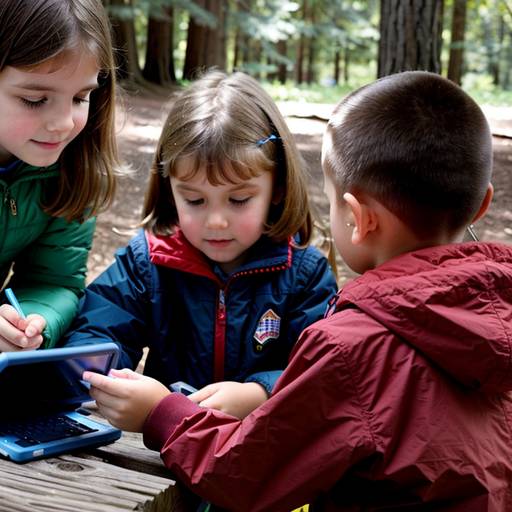
This preschool lesson plan focuses on exploring the relationship between technology and nature. Over the course of an hour, children will engage in activities that promote curiosity about the natural world using simple tech tools. The lesson begins with an introduction to how technology helps us learn about nature, followed by a tech adventure walk where students use tablets or smartphones to identify plants and insects in their environment. They will also collect a natural item of interest to observe and draw, encouraging deeper appreciation and understanding of nature. The class will culminate with students sharing their findings, discussing their experiences, and reflecting on how technology enhances their exploration of the outdoors. Assessment will be based on participation, observations, and the ability to articulate learning outcomes. Follow-up activities will further encourage children to document their discoveries and explore specific technological tools related to nature.
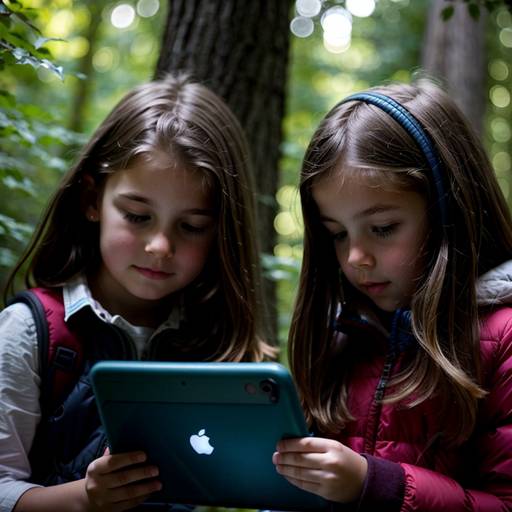
In this preschool lesson plan, students will explore the relationship between technology and nature through engaging, hands-on activities. The lesson begins with a group discussion about nature and technology, setting the stage for an outdoor adventure. Students will participate in a nature scavenger hunt, using printed lists to find and observe various plants and animals, while utilizing tablets or smartphones to capture images of their discoveries.
Upon returning to the classroom, students will create a digital nature journal by selecting their favorite photos and sharing their observations with the class. To further reinforce their learning, they will then craft a nature collage using the pictures they've taken, along with various art supplies. The lesson concludes with a reflection session, encouraging students to share what they learned and how technology can enhance their understanding of the natural world. Evaluation will focus on the students' engagement and their ability to articulate their experiences during the activities.
This preschool lesson plan focuses on teaching young children the essential concepts of internet safety through engaging activities and discussions. The lesson begins with a circle time conversation to introduce the topic, where children share their experiences with technology. A puppet character is used to help convey key messages and scenarios related to online safety.
A read-aloud session with a storybook on internet safety provides context and prompts interactive discussions. Following the story, children participate in a sorting game where they identify and categorize safe versus unsafe online situations using flashcards. This hands-on activity reinforces their understanding and encourages critical thinking.
The lesson culminates in a drawing activity, allowing children to express their understanding of safe online practices creatively. The session concludes with a recap of the key points, encouraging children to ask questions and highlighting the importance of seeking help from trusted adults whenever they encounter unsafe situations online. Overall, the lesson aims to build a foundational awareness of internet safety in a fun and child-friendly manner.