
Filters
Level
Grade
Subject
Subject Area
Subject Topic
Standard(s)
Audience
Keyword
DurationMinutes
Preschool Technology Lesson Plans
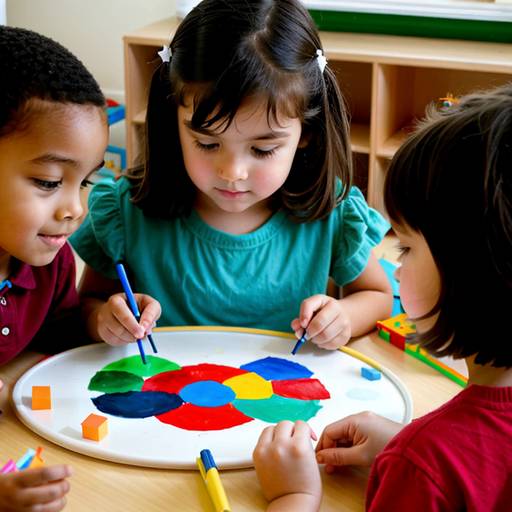
This preschool lesson plan focuses on integrating technology with art to foster creativity and self-expression among young learners. The session begins with a storytelling segment that introduces the concept of using technology in artistic creation. Children then participate in a hands-on activity where they explore digital drawing apps on tablets, encouraging familiarity with technology while developing their fine motor skills. Following this, they transition to creating physical artwork using traditional art supplies, allowing them to reimagine their digital creations. The children showcase their work in a gallery walk and engage in group discussions to reflect on their experiences. The lesson concludes with a brief story reinforcing the themes of creativity and imagination. Extension activities and adaptations are included to cater to various skill levels, ensuring an inclusive experience for all students.
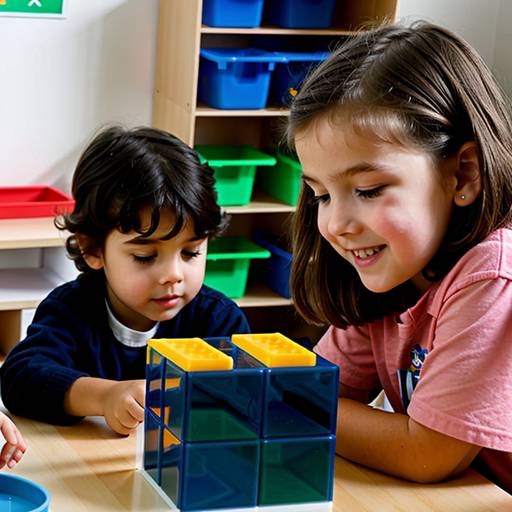
This lesson plan provides a structured approach for preschool students to explore foundational coding concepts through engaging, hands-on activities. Over the course of 45 minutes, children will learn about sequences, patterns, and problem-solving in a fun and interactive manner.
The lesson begins with a brief introduction to key terminology, using relatable examples to foster understanding. Students will then participate in group activities, where they will build structures using colorful blocks while following specific sequences. This collaborative effort encourages teamwork and enhances communication skills.
Subsequently, the class will engage in a movement coding activity, where students take turns being the "coder" and the "robot," following action cards to navigate a designated path. This physical representation of coding concepts reinforces their learning through active participation.
If technology is available, students will have the opportunity to explore a simple coding app, fostering independent problem-solving skills. The lesson concludes with a group reflection, encouraging students to share their experiences and insights gained throughout the activities. The overall aim is to provide a fun and accessible introduction to coding concepts, promoting critical thinking and creativity in young learners.
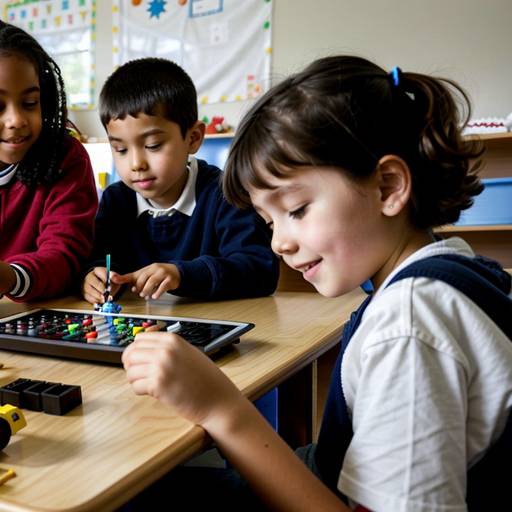
This preschool lesson plan focuses on introducing young learners to basic coding concepts through interactive activities involving a programmable robot. The objectives include teaching students about sequences, patterns, and problem-solving while developing their fine motor skills and encouraging teamwork.
To start, students engage in a discussion about robots and their functions, followed by a story that highlights coding themes. They then explore command cards that control the robot, taking turns to experiment with the commands. In small groups, students work collaboratively to devise sequences of commands that guide the robot to a designated goal on a grid. This activity emphasizes communication and collective problem-solving.
Following the group challenge, students express their creativity by drawing paths for the robot to navigate, labeling them with command sequences. The lesson concludes with a reflection session where students share what they enjoyed and learned about coding and collaboration.
Assessment occurs through observations during the group activity and discussions, as well as reviewing students' drawings to evaluate their understanding of directionality and sequences. The plan also includes suggestions for extending learning at home through simple coding projects and resources appropriate for preschoolers.
In this preschool lesson, students will engage in digital creativity through the use of tablets and art applications. The session begins with a discussion about colors and shapes, where children express their preferences and explore examples of digital art displayed on a screen. Following this introduction, students will work in small groups, taking turns to create their own digital artworks while developing fine motor skills. The teacher will circulate to provide guidance and ask thought-provoking questions about their creations.
After the hands-on activity, the class will gather to share their digital art with their peers, promoting discussion about their artistic choices and the stories behind their work. This reflection allows for collaborative learning as students appreciate each other's creativity.
To conclude, an optional closing activity will have students create physical drawings inspired by their digital art, fostering a connection between digital and traditional forms of artistic expression. This lesson not only encourages artistic exploration but also enhances technology skills and supports collaborative sharing in a fun and engaging way. Assessment will be based on participation, engagement, and the ability to articulate their creative choices.
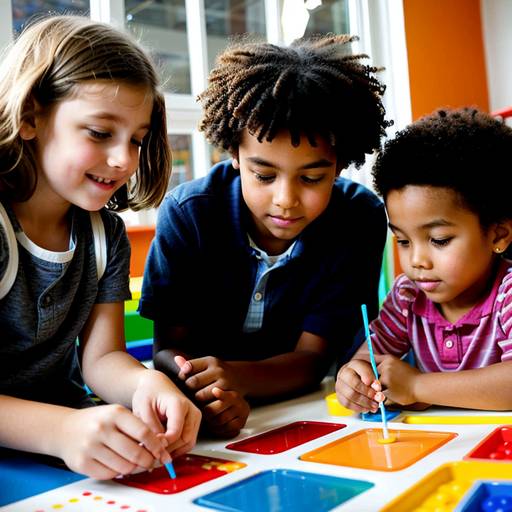
In this preschool lesson, students will explore the integration of technology and art by using tablets to create digital artwork. The session will begin with an introduction to digital art, showcasing examples on a screen and prompting discussions about colors and creativity. A demonstration on how to navigate an art application will follow, highlighting the essential features and tools for creating artwork.
Students will then work in small groups to explore the app and produce their own digital creations, emphasizing fine motor skills and imaginative expression. Afterward, each group will present their artwork to the class, reflecting on their experiences and what they enjoyed about using technology for artistic purposes. The lesson will conclude with a cleanup and a discussion of key takeaways. Assessment will be based on student engagement, creativity, and their ability to articulate their ideas during the sharing session. Extensions could include creating a digital art gallery for families and introducing more technological tools in future activities. Overall, this lesson fosters creativity while illustrating how technology can enhance artistic expression.
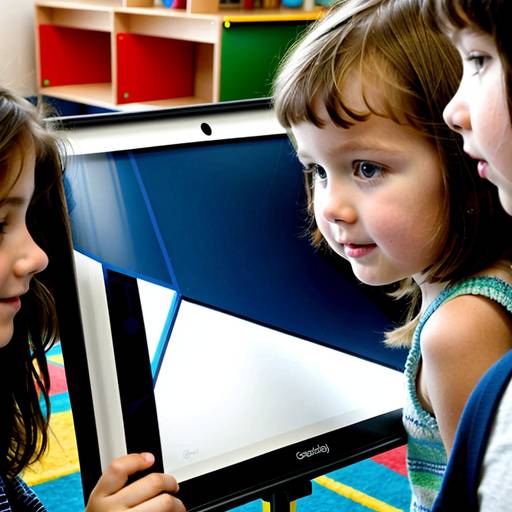
In this preschool lesson plan, students will engage in a creative exploration of art using technology. The session begins with a discussion about the nature of art and the various ways it can be created, both traditionally and digitally. Children will then be introduced to drawing apps on tablets, where they will learn to navigate basic functions such as choosing colors and brushes.
After a brief demonstration, students will have time to create their own digital artwork based on a given theme, incorporating music to enhance their creative process. Teachers will circulate to support and engage with the students, encouraging them to articulate their artistic choices.
Following the creative session, students will gather to share their artwork with the class, with their digital creations displayed on a projector. The lesson concludes with a reflection on the different methods of artistic expression and the value of both technology and traditional art forms.
Assessment will focus on student engagement and creativity, with extension activities available to further integrate art and technology into future lessons. This comprehensive approach fosters creativity, communication, and fine motor skills among the preschoolers.
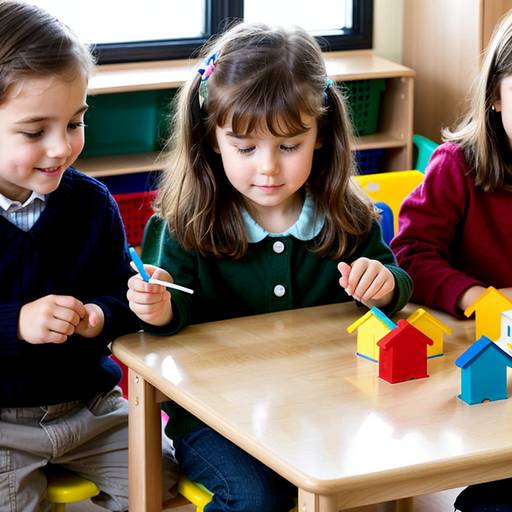
In this preschool lesson plan, children aged 4-5 will explore the basics of digital literacy through engaging and interactive activities. The session begins with a story related to technology, prompting discussions about various digital devices and their purposes. Students will participate in exploration stations that focus on identifying digital tools, understanding safety and respectful usage through a "Technology Rules" poster, and navigating age-appropriate educational games on tablets.
After hands-on exploration, the children will gather to share what they learned, reinforcing their understanding of technology and its safe use. An optional extension activity allows for creative expression as students create a simple book to illustrate their favorite digital devices and highlight key takeaways from the lesson. Throughout the session, educators will assess children's engagement and comprehension, promoting a foundational understanding of digital literacy in a fun and supportive environment.
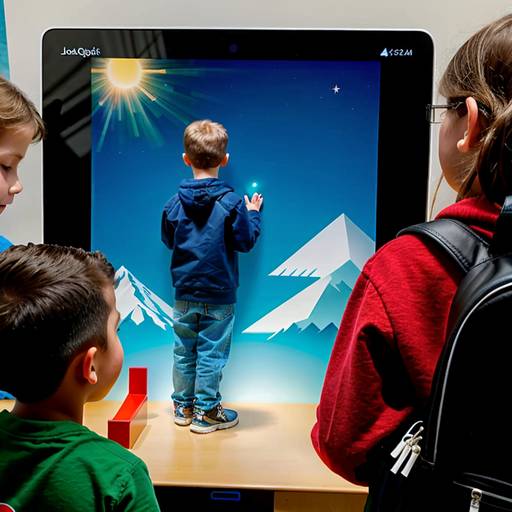
In this preschool lesson, students will explore the relationship between technology and nature through engaging, hands-on activities. The lesson begins with a group discussion about nature, allowing children to share their favorites and understand how technology can aid in learning about the natural world. Following the discussion, students will participate in a nature scavenger hunt using tablets to identify and capture images of local plants, animals, and other items with the help of magnifying glasses. Afterward, they will regroup to share their findings and experiences, discussing how technology enhanced their exploration. To conclude the lesson, students will express their creativity by drawing their favorite discovery and reflecting on the connection between technology and nature. The lesson will be assessed by observing student engagement during activities and evaluating their contributions to group discussions and creative projects. Extension opportunities may include creating a digital nature journal or planning a visit to a local nature preserve to further connect technology with the study of the natural environment.
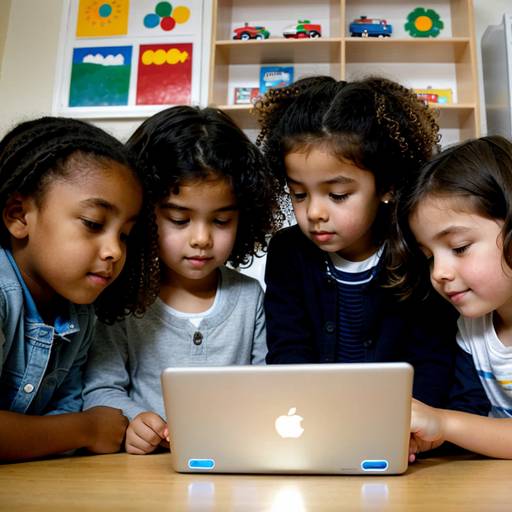
In this preschool lesson plan, children will be introduced to basic technology concepts through interactive exploration and engagement. The lesson begins with a discussion where students share their thoughts on technology, followed by hands-on exploration of various devices such as tablets, smartphones, and calculators. In small groups, children will identify and discuss the functions of these items.
The activity progresses as they create a collage featuring drawings or depictions of their favorite technology items. A storytime session will reinforce their understanding, followed by a brief period for interactive play using an educational app, emphasizing cooperative learning.
Throughout the lesson, the educator will observe and assess students’ engagement and understanding of technology through discussions and collaborative projects, fostering curiosity and enthusiasm for the digital world around them.
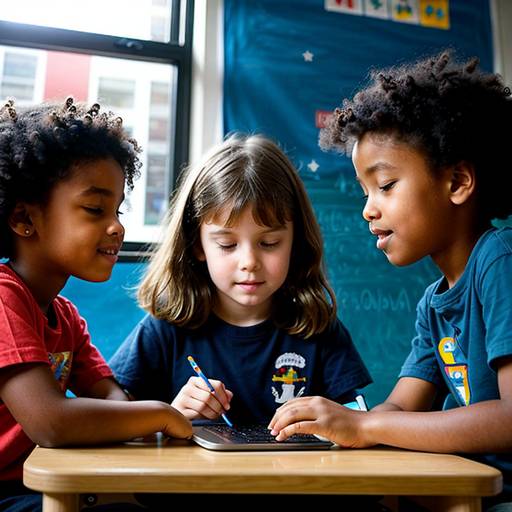
This preschool lesson plan focuses on introducing young students to basic coding concepts through creative storytelling. The session begins with a discussion about favorite stories, helping to connect storytelling with coding. Students explore coding apps in small groups, learning to create simple sequences that drive their digital narratives. Using story cubes for inspiration, they brainstorm and illustrate a collaborative story, highlighting the beginning, middle, and end structure. Each group presents their illustrated story to the class, sharing both the narrative and the coding process they employed. The lesson concludes with a recap of the key concepts—sequencing, coding, and storytelling—while encouraging students to think about their applications in everyday life. Assessment includes observing group interactions and evaluating the creativity in their illustrated stories and presentations. Additional resources are suggested for further exploration of coding concepts during free play.