
Filters
Level
Grade
Subject
Subject Area
Subject Topic
Standard(s)
Audience
Keyword
DurationMinutes
Preschool Earth And Space Lesson Plans

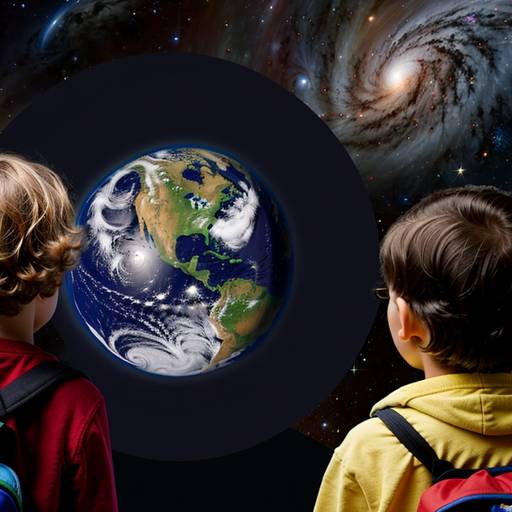
In this preschool science lesson, students will embark on a sensory exploration of Earth and space, utilizing their five senses to engage with and understand their surroundings. The session begins with a brief introduction to the five senses and how they help us explore our world.
Students will participate in various hands-on activities. First, they will work in small groups to explore sensory bins filled with Earth-themed items, examining textures, colors, and smells. Next, they will listen to nature sounds and space-themed audio recordings, encouraging imagination and discussion about the auditory aspects of their environments. Following this, students will experience a blindfolded taste test with familiar foods, describing flavors and textures while discussing their associations with Earth and space.
To conclude the lesson, students will create artwork based on their favorite discoveries from the activities, allowing for individual expression and reflection. The session wraps up with students sharing their artwork and highlighting key learnings, reinforcing the importance of their senses in understanding the world and the universe. Throughout the lesson, educators will assess engagement and understanding through observation and discussion.
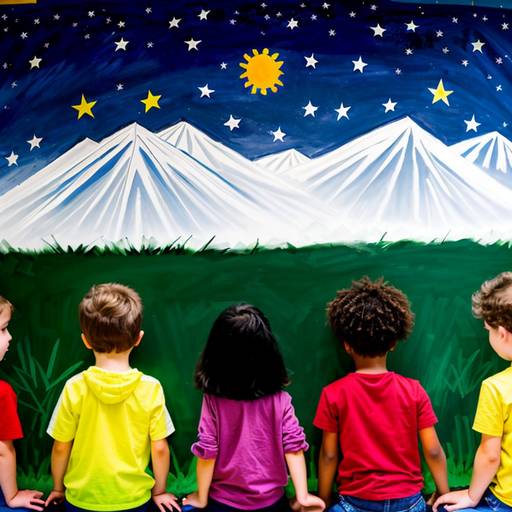
In this preschool lesson, students will engage in hands-on activities to explore concepts related to weather and space. The session begins with a discussion about the current weather, encouraging students to identify different weather conditions. Students will then create mini Earth models using clear cups filled with soil or pebbles and colored water to simulate rain. This activity will help them observe the effects of rain on their models.
Next, the students will participate in a craft activity where they decorate paper plates to represent the sun, moon, and stars, fostering creativity while reinforcing their understanding of celestial bodies. Flashlights may be used to illuminate their creations, providing a visual connection to how stars appear in the night sky.
The lesson concludes with a group reflection where students share their creations and discuss their insights about weather and stars. The overall aim is to enhance their understanding of these concepts through observation, discussion, and creative expression. An optional follow-up activity encourages ongoing observation of weather patterns and exploration of nature-related items.