
Filters
Level
Grade
Subject
Subject Area
Subject Topic
Standard(s)
Audience
Keyword
DurationMinutes
Preschool Music Lesson Plans
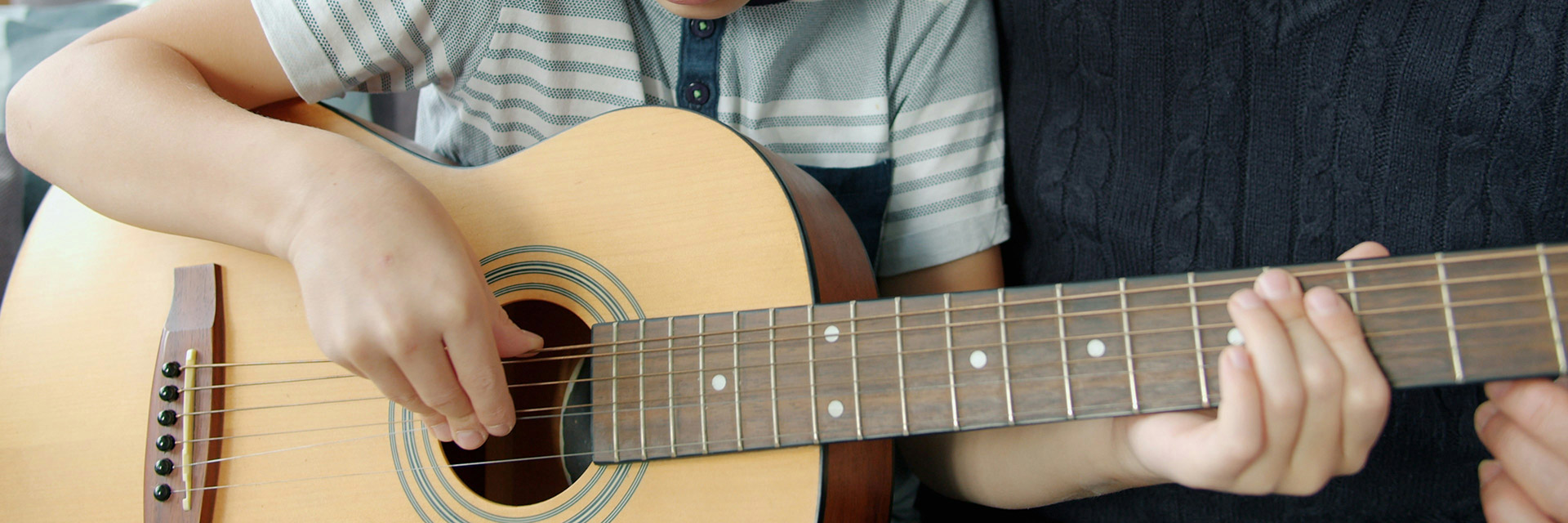
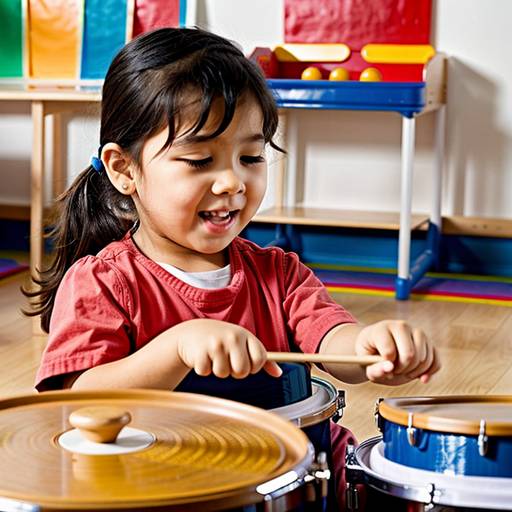
This 45-minute preschool music lesson focuses on engaging young children in rhythmic activities to enhance their understanding of beats, patterns, and coordination through movement and music. The session begins with a fun clapping pattern to introduce the concept of rhythm as the "heartbeat" of music.
Children participate in warm-up exercises using body percussion, which includes clapping, stomping, and patting their legs, followed by an exploration of various percussion instruments. This hands-on experience allows them to experiment with sounds and engages them in a group jam session.
The lesson includes interactive rhythm games, such as "Follow the Leader" and "Rhythm Freeze Dance," encouraging children to replicate rhythms and move to music. A creative movement activity involves colorful scarves or ribbons, allowing children to express themselves rhythmically in time with different tempos.
To conclude, the children gather in a circle to create a layered rhythm together, reinforcing the importance of listening and collaboration. The lesson ends with a reflective discussion on their experiences and a group rhythm clap as they finish. Throughout the session, educators assess children's participation, rhythm imitation, and their ability to listen and engage with others in a joyful learning environment.
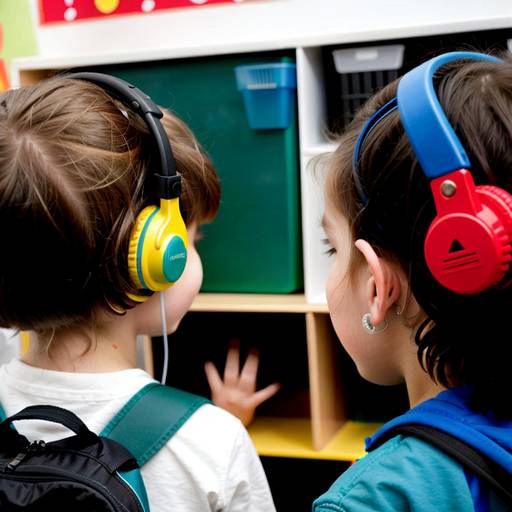
In this preschool music lesson, students will explore various musical instruments and learn to identify their sounds through interactive activities. The session begins with an introduction to different instruments, where children will observe and listen to their unique sounds. Next, they will engage in small group exploration, allowing them to experiment and discover the instruments more personally.
Following this, the class will participate in rhythm activities, where they will learn and practice simple rhythm patterns by clapping and using their instruments. After these rhythmic exercises, children will express their creativity by sharing their favorite instruments and creating short sounds or rhythms as a group.
Towards the end of the lesson, students will engage in an art activity where they can draw their favorite instruments or illustrate what music means to them. The session will conclude with a collective farewell song, allowing the children to celebrate their musical journey together. Throughout the lesson, the instructor will observe and assess participation and engagement to ensure a rich learning experience. Adaptations will be available to support all students, fostering an inclusive environment.
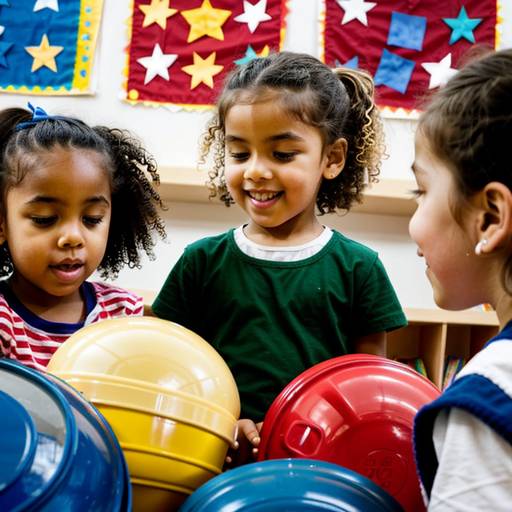
This preschool music lesson plan focuses on engaging young children in exploring songs, movements, and instruments to foster a love for music. The lesson begins with an introduction that encourages children to share their favorite songs, followed by interactive singing and movement activities using well-known children's songs. Students participate in guided actions and clapping rhythms to enhance their engagement.
To further enrich their musical experience, children are introduced to various instruments, allowing them to experiment with simple rhythms while playing along with familiar tunes. A movement activity accompanies a lively song, encouraging them to follow along with dance movements using props, enhancing their physical coordination.
As the lesson winds down, a cool-down session helps children reflect on their favorite parts of the lesson while soft music plays in the background. An optional art activity allows children to create their own musical instruments, promoting creativity and reinforcing the day's learning.
Throughout the lesson, the facilitator observes participation and enthusiasm, adjusting activities as needed to accommodate children's energy levels and interests, ensuring an inclusive and enjoyable experience. The lesson concludes with a group goodbye song, encouraging children to continue exploring music at home.
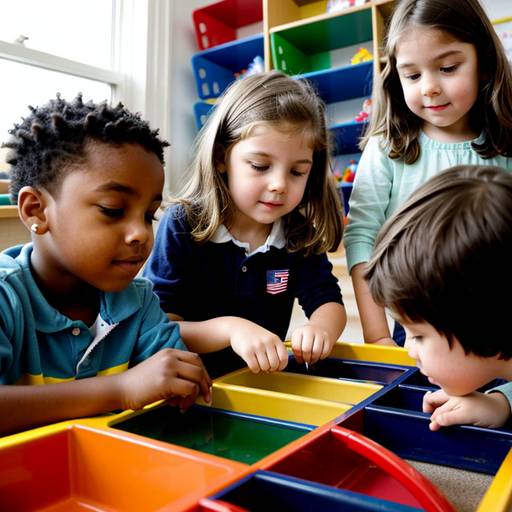
In this 45-minute preschool lesson, students will engage in a hands-on exploration of various musical instruments, learning to identify and categorize them into families such as strings, percussion, woodwinds, and brass. The lesson begins with a warm-up song to encourage participation, followed by an interactive exploration where children can freely play different instruments in small groups. After the exploration, the class comes together to discuss and categorize instruments using picture flashcards.
The highlight of the lesson is a lively "Instrument Parade," where children march around, playing their instruments to the beat of festive music while incorporating colorful scarves to enhance their movement. The lesson concludes with a circle time reflection, allowing children to share their favorite instruments and the sounds they enjoyed most. Throughout the session, teachers will observe student engagement and understanding, with opportunities for extensions that encourage ongoing interest and interaction with music at home and in the classroom.
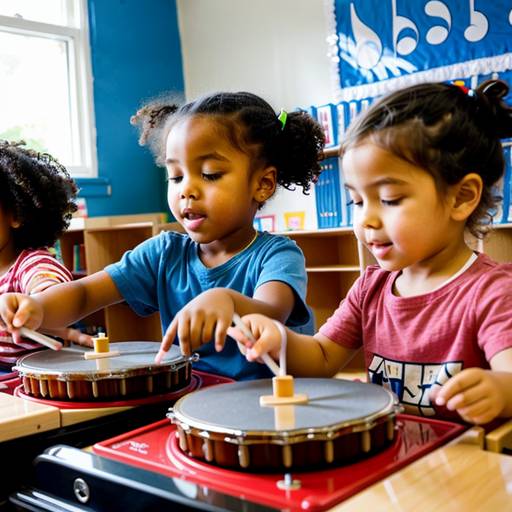
This preschool music lesson is designed to engage young children in exploring rhythms and melodies through singing, movement, and instrument play. The session begins with a warm-up activity featuring a familiar song, encouraging children to participate through lyric repetition and physical actions.
Following the warm-up, children delve into the thematic exploration of songs, starting with "Twinkle, Twinkle Little Star," which incorporates visual aids and movement activities using scarves to simulate twinkling stars. Next, participants enjoy playing instruments in coordination with "The Wheels on the Bus," where specific sounds are assigned to different instruments, promoting both creativity and rhythm recognition.
The lesson concludes with a brief cool-down period, allowing children to reflect on their favorite activities while listening to calming music. Lastly, the class wraps up with a goodbye song, reinforcing the enjoyment and learning experienced throughout the session. The lesson encourages active participation, enhances listening skills, and promotes a love for music in a playful and supportive environment.
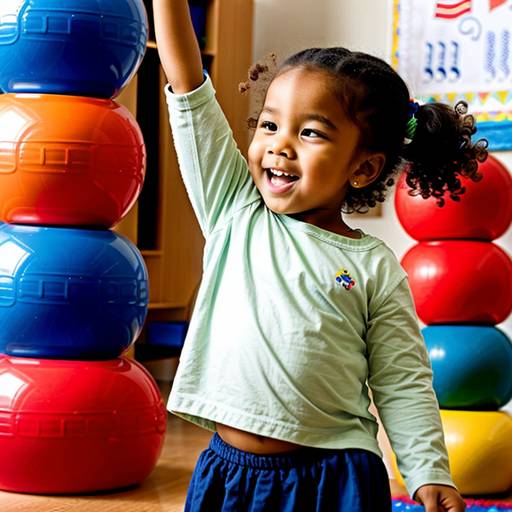
This preschool music lesson focuses on teaching young children the concept of rhythm through engaging and interactive activities. Over the course of 45 minutes, students will participate in various activities designed to develop their listening skills, coordination, and creativity.
The lesson begins with a group welcome where children are introduced to rhythm through clapping patterns. Following this, they will engage in a body percussion warm-up, using their bodies to create different rhythms. Children will then explore a variety of percussion instruments, experimenting with sound while playing along to a song.
Next, the lesson shifts to movement activities where students will use scarves or ribbons while following a 'Rhythm Walk' along a taped path, responding to different rhythmic cues. An echo game is included, where children mimic the rhythms played by the instructor using claps and other sounds.
As the lesson winds down, the children will listen to calming music, reflecting on the rhythms they’ve heard. To conclude, a review of what they’ve learned allows for creativity as children suggest their own rhythmic patterns to share. The lesson offers opportunities for assessment through observation, ensuring all children can participate and enjoy exploring rhythm in various forms. Extensions such as creating a “Rhythm Book” or planning a performance day can further enhance the learning experience.
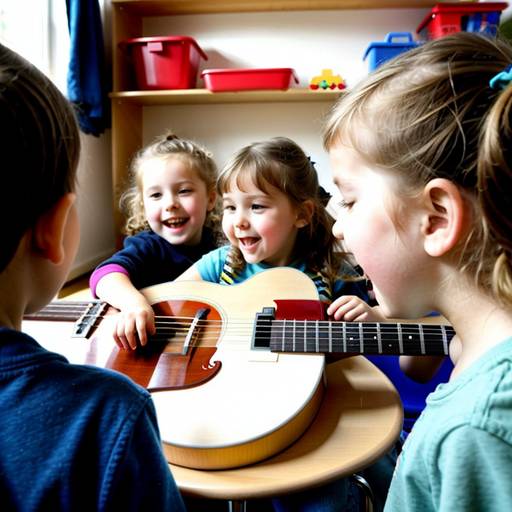
In this preschool music lesson, students will engage in a 45-minute exploration of various musical instruments while developing their understanding of rhythm and melody. The lesson begins with an introduction to different instruments through visual aids and sound clips, allowing students to identify and discuss their experiences. Next, students break into small groups to explore and experiment with various instruments, providing hands-on learning opportunities.
Afterward, the class will participate in rhythm games, where they will replicate clapping patterns and create their own simple rhythms using the instruments. The lesson will also include a musical movement activity, encouraging students to express the rhythm through dance as they hold their instruments.
Finally, the lesson concludes with a group discussion, giving students a chance to reflect on their favorite instruments and what they learned. Throughout the lesson, teachers will assess engagement and understanding, with optional extension activities suggesting ways to create homemade instruments and explore music from different cultures.
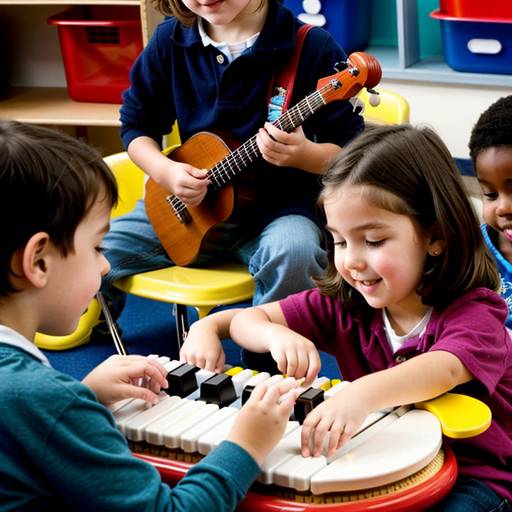
This preschool music lesson plan is designed to introduce young children to a variety of musical instruments and their sounds while fostering creativity and teamwork. The session begins with a brief discussion about music and identification of instruments through pictures. Children then engage in hands-on exploration by playing different instruments in small groups, allowing them to discover various sounds.
The interactive “Name that Instrument” game enhances their listening skills as they guess the instruments being played. Following this, students participate in a rhythm activity using rhythm sticks or clapping, encouraging both individual expression and collaboration. A simple song incorporating instrument-related movements offers a fun way to bring music to life, enabling students to sing and play along.
The lesson concludes with a reflection time where students share their favorite instruments and listen to music while identifying different sounds. Throughout the session, the focus is on participation, collaboration, and enjoyment of music, making it a comprehensive and engaging experience for preschoolers. Adjustments are included for varying needs, and informal assessments occur through observation of participation and understanding.
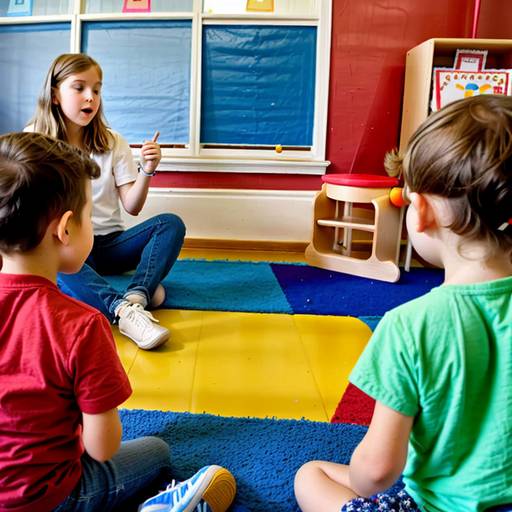
Participants engage with simple instruments, allowing them to play along with familiar songs while emphasizing rhythm. The lesson also includes a free dance segment where children use scarves or ribbons to express themselves through movement. The session concludes with a calming song where children reflect on their favorite parts of the lesson in a closing circle.
Throughout the lesson, observation of individual participation helps assess the children’s understanding and enjoyment of the musical activities, fostering communication and creativity. The lesson can be extended by incorporating props and planning future music-focused days to reinforce the skills learned. Flexibility is encouraged to maintain high engagement levels among the students.
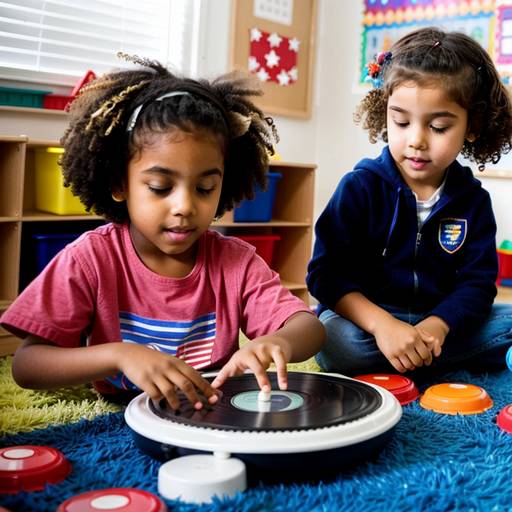
This preschool music lesson plan focuses on introducing young children to the concept of rhythm through a variety of engaging activities that span 45 minutes. The lesson begins with a circle discussion where children are encouraged to share their experiences with rhythm, followed by a demonstration of different clapping patterns for them to mimic.
Next, students participate in body percussion activities, including clapping and stomping, and play a rhythm echo game to reinforce their understanding of rhythms. They then explore various musical instruments, such as drums and shakers, allowing for free play and the creation of their own rhythm patterns in small groups, which they later perform for their peers.
Incorporating movement, the lesson includes a lively dance party with different musical genres, followed by a "Follow the Leader" activity where children imitate rhythmic movements. As the lesson winds down, students engage in a calming session with soft music, encouraging gentle play on their instruments. The session concludes with a group reflection on their favorite activities and a farewell song, fostering a sense of community and closure.
Throughout the lesson, children are assessed on their ability to follow rhythms and patterns, with adaptations available to support diverse learning needs. The overall goal is to develop early rhythm skills while promoting coordination, creativity, and social interaction among students.