
Filters
Level
Grade
Subject
Subject Area
Subject Topic
Standard(s)
Audience
Keyword
DurationMinutes
Preschool Visual Arts Lesson Plans

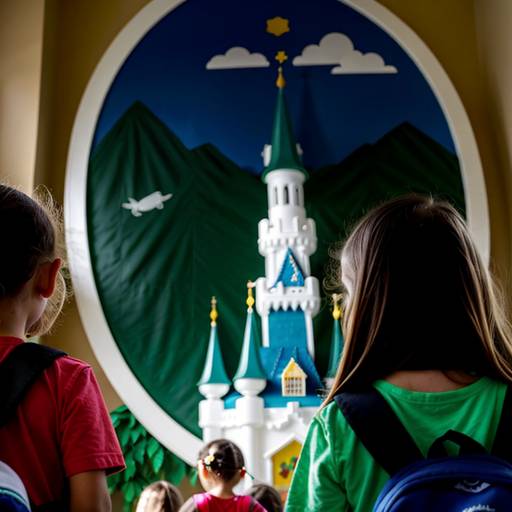
This lesson plan focuses on enhancing preschool children's social skills, imagination, and creativity through dramatic play in a fantasy-themed environment. The session begins with a circle time discussion where children share their favorite stories about magical characters, setting the stage for collaborative play. After choosing costumes and props, children engage in dramatic play for twenty minutes, enacting scenes from their own imagined kingdom, which encourages interaction and storytelling.
Following the play, children gather to reflect on their experiences and share their character roles and favorite moments. They then have an opportunity to express their creativity by illustrating their kingdom or a memorable scene from the play, fostering further artistic expression. The lesson emphasizes collaboration, communication, and imaginative exploration, concluding with a focus on cleaning up the play area to reinforce responsibility. Assessment is conducted through observation during play and reviewing the children's illustrations, with options for extension activities to keep the theme alive in the classroom.
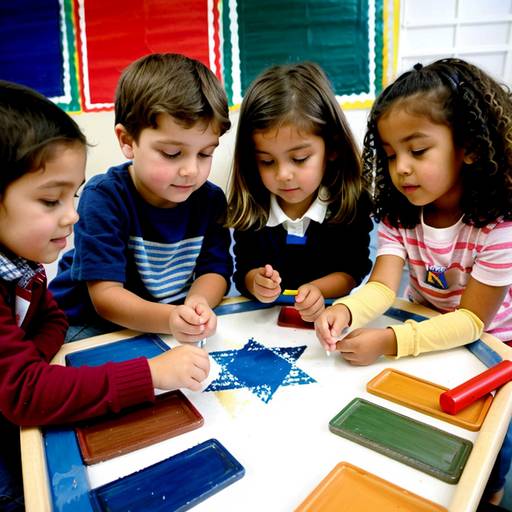
In this preschool art lesson, students are introduced to the concepts of patterns and textures through hands-on exploration. The session begins with a discussion where children identify patterns in their environment and learn the significance of different textures. A demonstration follows, showcasing how to create repeating patterns using stamps and how to apply various textured materials to paper for a unique artistic effect.
During the main activity, students are provided with construction paper and a selection of textured materials and painting tools, allowing them to create their own artwork that incorporates both patterns and textures. Throughout the activity, educators circulate to offer support and ask guiding questions to encourage creativity. After cleanup, students gather to share and reflect on their artwork, promoting a sense of community and appreciation for each other's efforts.
The lesson not only fosters artistic expression and fine motor skill development but also incorporates elements of collaboration and peer feedback. Additional extensions include displaying the completed artwork and integrating a storytelling session that emphasizes patterns and textures, reinforcing the learning objectives. Overall, the lesson provides a rich, interactive experience that enhances children's understanding of visual arts.
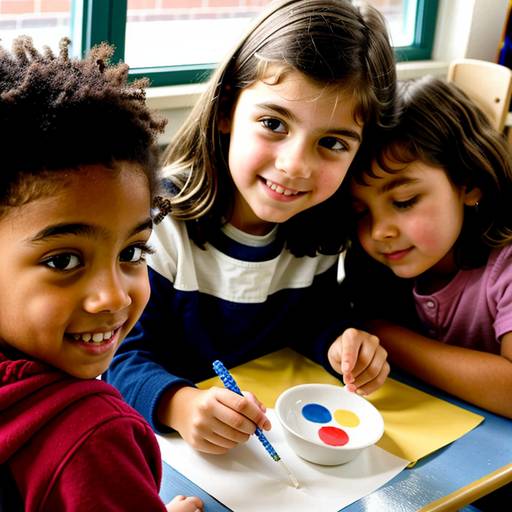
In this creative development lesson, preschool students will explore emotions through the art of mask-making. The lesson begins with a discussion about different feelings and the facial expressions that represent them, encouraging children to share their thoughts and emotions. Following this, the teacher demonstrates how to create masks using paper plates or cardstock, and various art materials, prompting children to think about the emotions they wish to express through their designs.
As they create their masks, students will engage in hands-on artistic activities, choosing colors and decorative items that align with their selected feelings. Once completed, children will showcase their masks to the group, explaining the emotions they represent and receiving positive feedback from peers.
The lesson emphasizes creativity, emotional expression, and social interaction, concluding with an optional extension where students can display their masks on a "Feelings Wall." Throughout the activity, they will enhance their fine motor skills and foster an understanding of expressing emotions through visual arts. Clean-up duties can also instill a sense of teamwork and responsibility among the children.
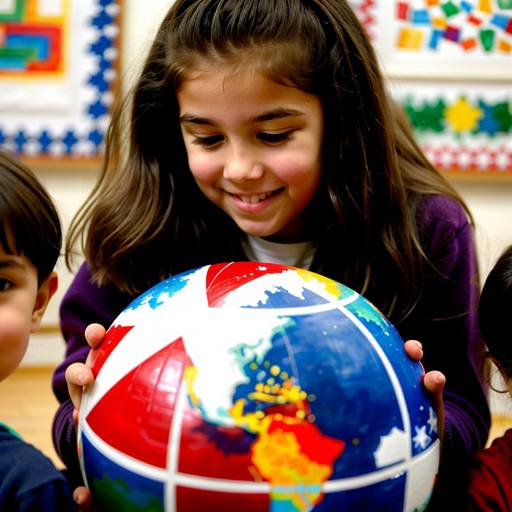
In this preschool art lesson, students are introduced to cultural art from around the world, enhancing their appreciation for diverse artistic expressions. The plan begins with a brief group discussion that showcases various cultural artworks, emphasizing the unique patterns and colors found in different cultures. This is followed by a storytime session featuring a picture book that inspires engagement and reflection on the art.
Students then explore the concept of patterns, identifying and creating their own simple designs using colored shapes and crayons. The hands-on activity focuses on creating a collaborative quilt, where each child chooses fabric scraps and personalizes their contributions with drawings and tempera paint, encouraging creativity and fine motor skills.
As the lesson concludes, students participate in cleaning up the area before sharing their creations with the group, reflecting on their experiences and the artistic choices they made. The lesson not only develops artistic skills but also fosters a sense of community and cultural awareness. An extension activity allows the classroom to be transformed into a gallery, further encouraging appreciation of their collective artwork and experiences.
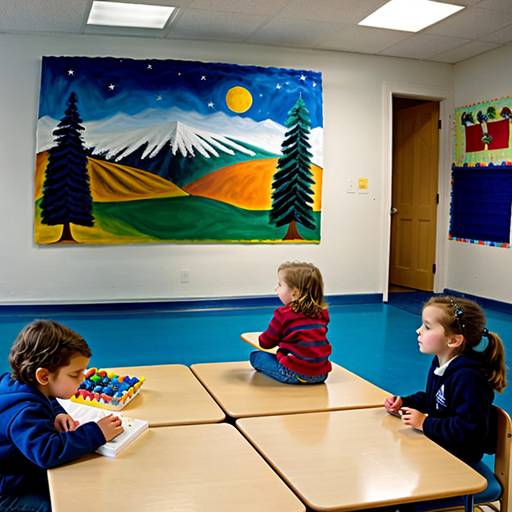
In this 45-minute lesson, preschool students will engage in a creative activity that combines visual arts with storytelling. The objective is for children to create their own imaginative landscapes inspired by storybooks while integrating elements of literacy, mathematics (specifically shapes and spatial awareness), and art.
The lesson begins with a circle gathering where a selected storybook is read aloud, focusing on descriptive landscapes. This sparks a discussion on the various colors, shapes, and feelings conveyed through the landscapes in the story. Following this, students receive large sheets of colored construction paper and are guided to illustrate their landscapes using crayons, markers, or watercolors. They will incorporate shapes with provided templates and enhance their artwork with natural materials such as leaves and twigs for added texture.
The final part of the lesson involves students sharing their creations with the group, allowing them to express their inspirations and the stories behind their landscapes. Throughout the activity, the emphasis is placed on imagination and expression, highlighting the connections between visual arts, literature, and personal creativity. Assessment will focus on each child’s participation and the understanding demonstrated in their artwork.
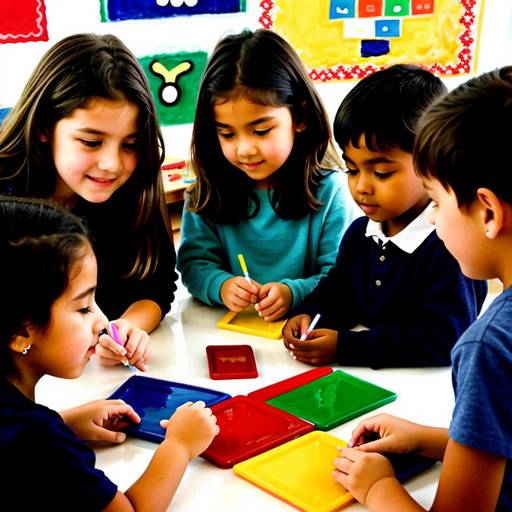
In this preschool lesson plan centered around art exploration, children will engage in a creative activity that emphasizes the use of colors and shapes. The session begins with a focus on understanding colors and their significance in art, followed by guided demonstrations of various painting techniques, including brush painting and sponge stamping. Children will then have the opportunity to create their own artworks using tempera paints, sponges, and colorful tissue paper to enhance their creations with texture and layers.
The structured activity allows for individual expression while developing fine motor skills. Children are encouraged to share their work and describe their artistic choices, fostering a sense of community and reflection. The lesson wraps up with a group clean-up activity, reinforcing cooperative behaviors. Optionally, a gallery walk can be set up to showcase the students' artworks, further enhancing their appreciation for creativity and collaboration. Overall, the plan promotes artistic exploration while nurturing emotional expression and social interaction among young learners.
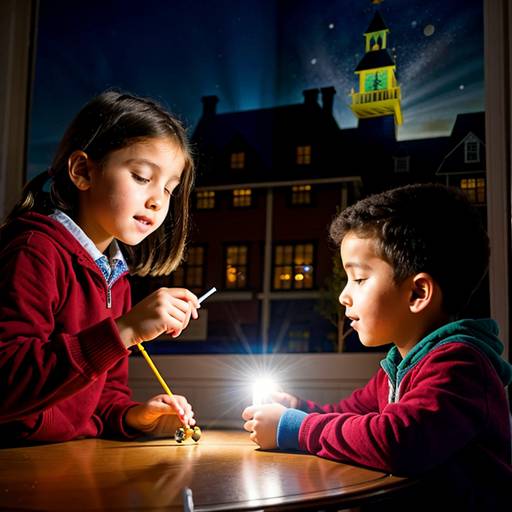
In this preschool lesson, children will engage in dramatic play centered around a marketplace theme, encouraging creativity and social interaction. The activity begins with a discussion about marketplaces, allowing children to share their experiences and ideas. They will then help set up various stations for different products, such as groceries, clothing, and toys, while exploring the roles of shopkeepers and customers.
During the main role-playing activity, children will don costumes and use play money to simulate buying and selling items, promoting communication and polite interactions. Following the role play, the group will reflect on their experiences, sharing their favorite aspects and what they learned about commerce.
To further enhance their creative expression, children will create their own store signs or shopping lists, reinforcing their understanding of the activity. Overall, the lesson emphasizes imaginative play, social skills, and the basics of buying and selling goods in a fun, engaging environment.
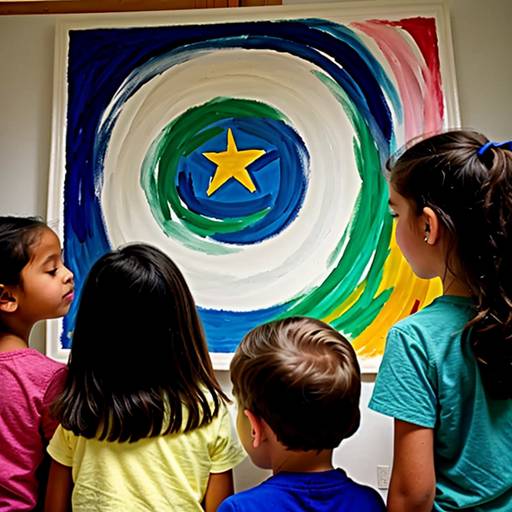
In this preschool art lesson, children will explore the exciting world of colors and color blending. The session begins with an engaging discussion about primary colors—red, blue, and yellow—and how they combine to create secondary colors. After a demonstration on mixing colors, students will participate in a guided painting activity, where they will use paintbrushes to create their own artwork on watercolor paper. They will be encouraged to experiment with mixing colors to discover new shades and express their creativity.
Following individual exploration time, the class will regroup for a reflection session, allowing each child to share their artwork and the colors they used. This will foster discussion about their creative processes and feelings related to their art. The lesson will conclude with a clean-up session and a closing circle where children are thanked for their participation and encouraged to observe colors in their everyday surroundings. Overall, the lesson promotes creativity, fine motor skills, and an appreciation for color in a fun, collaborative environment.
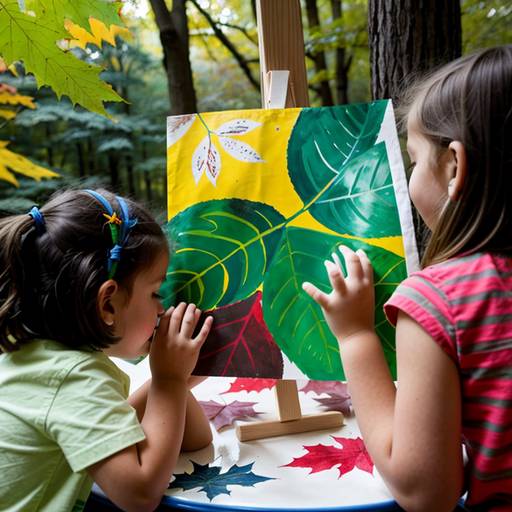
This 45-minute art lesson for preschoolers focuses on exploring the beauty of nature through leaf printing. Children will engage in a discussion about leaves, their colors, and where they can be found, using visual aids like nature books to enhance understanding. After a demonstration on how to paint leaves and create prints, students will participate in a hands-on activity where they will paint and print various leaves on large sheets of construction paper. The lesson encourages creativity and experimentation with colors and shapes while developing fine motor skills. Following the art activity, students will assist in clean-up and have the opportunity to share their creations with peers, fostering communication and a sense of community. The lesson may also include an extension activity involving a nature walk to collect leaves for future projects, further connecting the art experience to the outdoors.
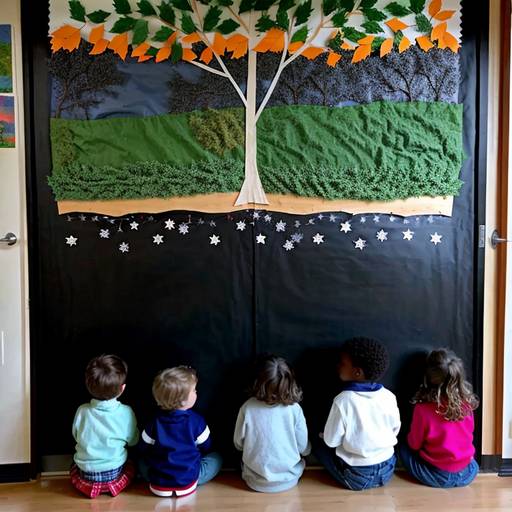
In this preschool art lesson, children will explore the themes of nature and the seasons through visual arts. The session begins with a brief discussion about the four seasons, encouraging students to share their observations and feelings related to each season. After an engaging story or poem highlighting seasonal elements, students will be divided into groups, each focusing on a specific season. Using construction paper and natural materials relevant to their assigned season, they will collaboratively create seasonal representations. Following this group activity, each child will have the chance to create their individual artwork inspired by their favorite season, utilizing various art supplies such as watercolors, crayons, and markers. At the end of the session, students will share their creations with the group, reflecting on their inspirations and experiences throughout the lesson. The session concludes with a clean-up, fostering a sense of responsibility for their learning environment. Assessment will focus on collaboration, creativity, and engagement during discussions and activities, rather than artistic skill. Possible extensions include nature walks for collecting materials and integrating scientific discussions about seasonal changes in the environment.