
Filters
Level
Grade
Subject
Subject Area
Subject Topic
Standard(s)
Audience
Keyword
DurationMinutes
Kindergarten Plants Lesson Plans

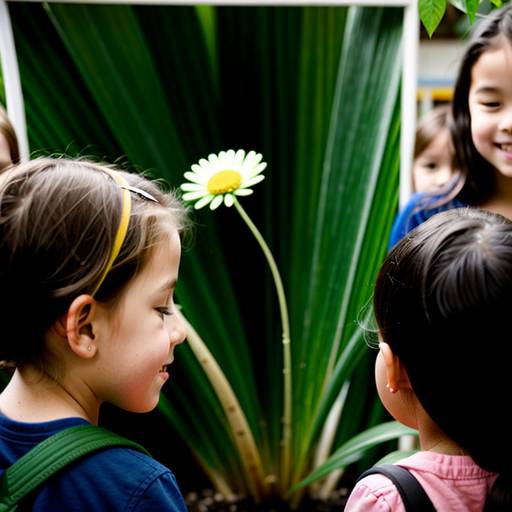
In this kindergarten life science lesson, students will explore the world of plants, focusing on their basic needs and parts. The lesson begins with a read-aloud of a picture book about plants, prompting discussion about what plants require to grow. Educators will teach students about the essential parts of a plant—roots, stems, leaves, flowers, and seeds—using visual aids to enhance understanding.
Following the introduction, students will participate in a hands-on activity where they plant seeds in pots, learning about soil, water, and sunlight requirements. Each group will decorate their pots and discuss what they planted and one fact they learned about plants. The lesson concludes with a classroom growth chart where students can track their plants' progress over the coming weeks.
Assessment will be based on student participation in discussions and their ability to identify plant parts and needs. To extend learning, students may keep science journals to document their plants’ growth. Overall, this lesson aims to foster curiosity about plants and their life cycles while encouraging hands-on interaction and teamwork.
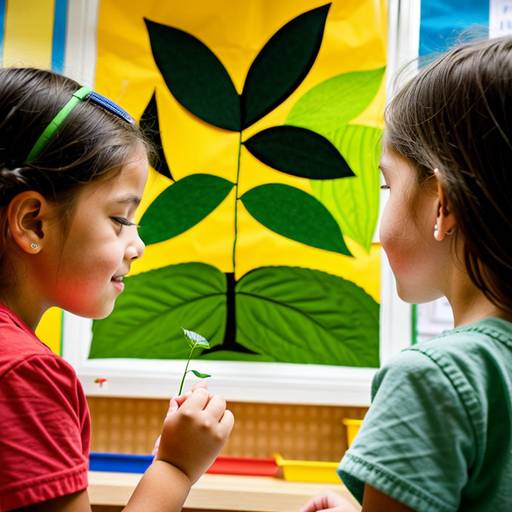
In this Kindergarten science lesson, students will explore the various parts of a plant, including roots, stems, leaves, and flowers, and learn about their functions. The lesson begins with an interactive discussion about the importance of plants in our environment, followed by direct instruction using diagrams to explain each plant part's role. Students will then engage in hands-on exploration with live plants, observing and identifying the different parts in small groups. To reinforce their learning, they will create drawings of a plant, labeling its components. Finally, students will share their observations and insights, enhancing their understanding of life science and the significance of plants in our ecosystem. Assessments will include observations during group activities and reviewing their drawings. Extensions may involve nature walks or starting a class garden to observe plant growth over time, while adaptations will cater to different learning styles to ensure all students are supported.
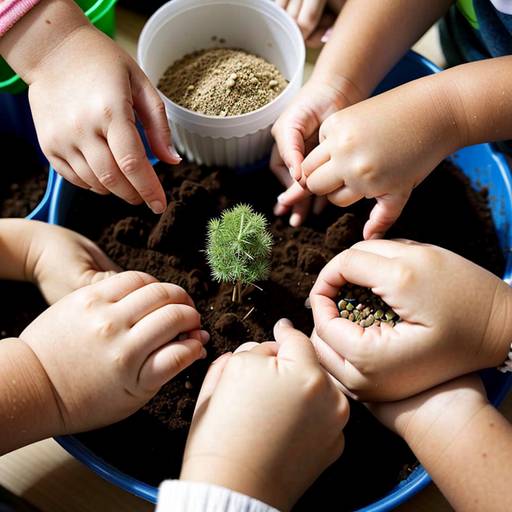
In this Kindergarten science lesson, students will embark on an exploration of seeds and plant growth. They will begin by engaging with a read-aloud story about plants, followed by a discussion on what plants need to thrive. Next, students will focus on observing various seeds, comparing their characteristics using magnifying glasses, and learning to identify the main parts of a seed.
Afterward, students will participate in hands-on activities where they will plant seeds in cups using potting soil, applying the knowledge gained about planting techniques and the importance of watering. They will also create labels for their plants and start growth journals where they will draw their seeds and make predictions about the growth process.
The lesson will culminate in a review of key concepts learned, allowing students to share their observations and predictions with peers. Assessment will be based on participation, journal entries, and ongoing plant observations. Extension activities will provide further engagement through field trips and creative projects related to plants and their life cycles. This approach fosters a comprehensive understanding of plant life and growth in an interactive and enjoyable manner.
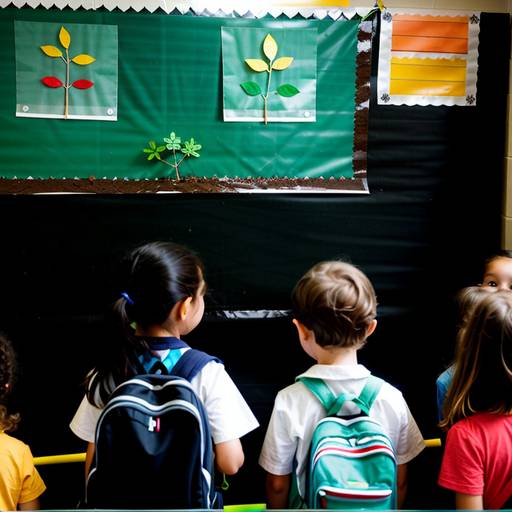
In this Kindergarten science lesson, students will explore the world of plants, focusing on their basic parts and growth requirements. The lesson begins with an engaging story or video to spark interest, followed by a discussion where students share what they know about plants. Through direct instruction, they will learn to identify and understand the roles of roots, stems, leaves, and flowers, using pictures and real plants for demonstration.
Students will then participate in a hands-on planting activity, where they will plant bean seeds in cups with soil while learning about the importance of water and sunlight for growth. Following the planting, they will observe the parts of real plants with magnifying glasses and draw their observations.
The lesson wraps up with a recap where students share their learnings, reinforced by a creative coloring activity. Assessment will be based on student participation and their creative work. Extensions may include maintaining a plant journal and reading a relevant story to further enhance their understanding. Adaptations will be provided for students needing additional support, ensuring inclusivity. Overall, the lesson encourages curiosity and fosters a foundational understanding of life science centered around plants.