
Filters
Level
Grade
Subject
Subject Area
Subject Topic
Standard(s)
Audience
Keyword
DurationMinutes
Kindergarten Physical Education Lesson Plans

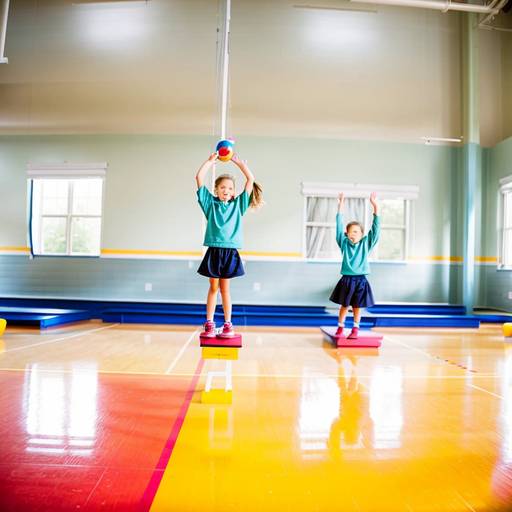
This Kindergarten Physical Education lesson focuses on developing coordination and balance through engaging activities. The session begins with a warm-up involving movement and balance exercises to prepare students physically and mentally. Students then participate in a series of activities, including a relay race using hula hoops, where they practice jumping in and out while fostering teamwork.
Next, they navigate balance beams to enhance their stability and concentration through various movements, with safety mats provided for protection. The lesson also includes a bean bag toss challenge, encouraging hand-eye coordination while maintaining balance by standing on one foot.
The class concludes with a cool-down session that incorporates gentle stretches and a sharing circle, allowing students to reflect on their experiences. Throughout the lesson, instructors observe student participation and provide positive reinforcement, ensuring a fun and supportive environment. Extensions to the lesson include the creation of an obstacle course for further practice at home. Safety is emphasized, with modifications available to cater to diverse skill levels.
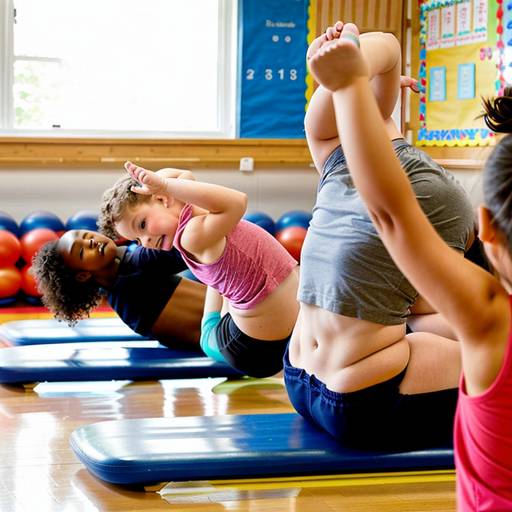
This Kindergarten Physical Education lesson focuses on introducing students to fitness and flexibility through engaging activities. The session begins with a brief discussion on the importance of fitness and stretching, followed by a fun warm-up routine that activates their bodies. Students participate in flexibility stations, where they practice various stretching techniques in small groups. Next, they engage in a lively bouncy ball relay that promotes physical activity and teamwork. The class concludes with a calming cool down, including deep breathing and gentle stretches to relax their bodies. Finally, a reflection circle helps reinforce what they learned and encourages the continuation of flexible practices at home. Overall, the lesson aims to create a positive and enjoyable environment while promoting physical health and well-being among young learners.
This kindergarten physical education lesson focuses on enhancing students' coordination and balance through engaging, interactive activities. The session begins with a warm-up featuring fun animal movements to prepare the students for physical activity. Students then rotate through five dynamic stations, including hula hoop hops, foam beam walking, pool noodle balancing, an obstacle course, and a bean bag toss, which collectively promote skill development in a playful manner. The lesson wraps up with a cool-down that includes stretching and a group reflection, allowing students to share their experiences and feelings about the activities. Throughout the lesson, educators will observe student engagement and provide positive reinforcement, ensuring a safe and supportive environment that encourages teamwork and a love for movement.
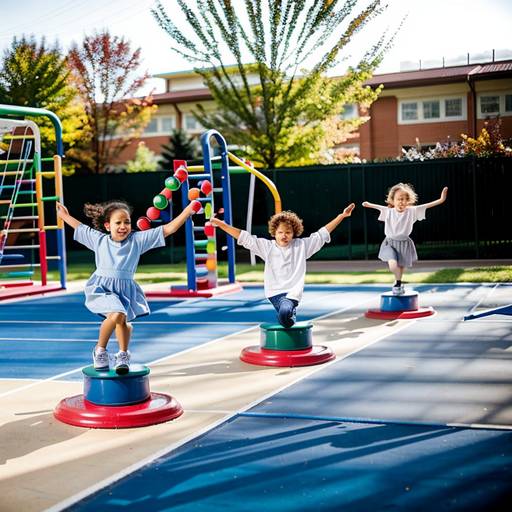
This Kindergarten Physical Education lesson focuses on developing coordination and balance skills through engaging activities. The session begins with a fun, movement-based warm-up where students follow a leader in a dance, promoting creativity and physical engagement. After the warm-up, students participate in walking exercises on balance beams, where they practice maintaining balance and attempting different movements, such as walking backwards or sideways.
The lesson continues with an obstacle course designed to challenge students' coordination skills. They navigate a series of tasks involving hula hoops and cones, allowing them to practice hopping, weaving, and sprinting. Students are divided into small groups, taking turns to complete the course while encouraging each other, and their times are recorded to promote a sense of achievement.
The session concludes with a cool-down period that includes gentle stretching and a reflective discussion, where students can express what they enjoyed and learned about balance and coordination. The lesson emphasizes safety and includes adaptations for students requiring additional support, ensuring an inclusive environment for all participants.
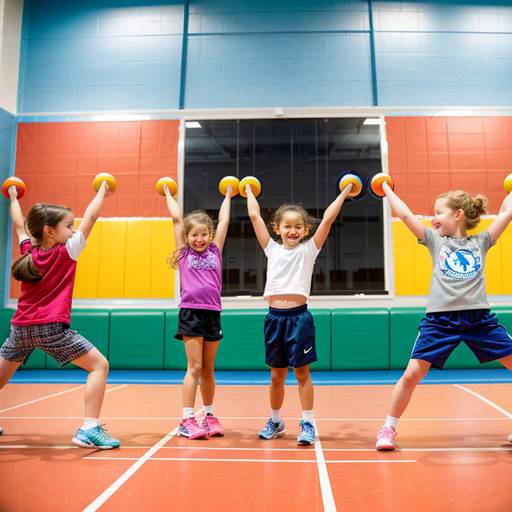
This Kindergarten Physical Education lesson plan focuses on introducing students to fundamental movement skills through engaging activities related to sports and gymnastics. The lesson begins with a warm-up session featuring fun exercises to energize the children. Students then rotate through four activity stations: Hula Hoop Hops, Balance Beam Walk, Creative Gymnastics Movement, and Target Toss, promoting skills such as hopping, balancing, and teamwork. After engaging in these activities, students cool down with deep breathing and gentle stretches. The lesson concludes with a group discussion to reflect on their experiences and emphasize the importance of being active in a fun and supportive environment. Overall, the plan aims to foster physical literacy and encourage cooperation among young learners.
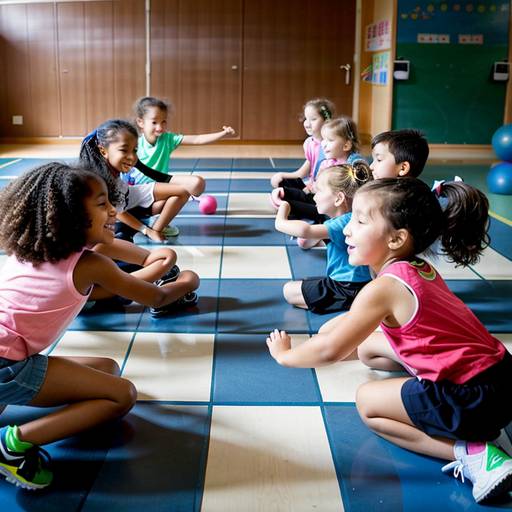
This kindergarten physical education lesson focuses on fostering understanding and appreciation for fitness and flexibility. Students begin by discussing the importance of being fit and flexible, followed by a fun warm-up that includes jumping jacks and simple stretches. The lesson then transitions into stretching stations where small groups practice various stretches, such as the butterfly stretch and side stretch, rotating through multiple activities to enhance flexibility.
Next, students engage in a lively obstacle course using cones, hula hoops, and balls or beanbags, promoting physical fitness through playful movement. The session concludes with a cool-down period where students perform seated stretches and reflect on their favorite activities, reinforcing the benefits of being active. Throughout the lesson, emphasis is placed on participation, enjoyment, and the importance of physical health, with adaptations available for diverse needs. Overall, the lesson aims to instill a love for movement and a foundation for lifelong fitness habits.
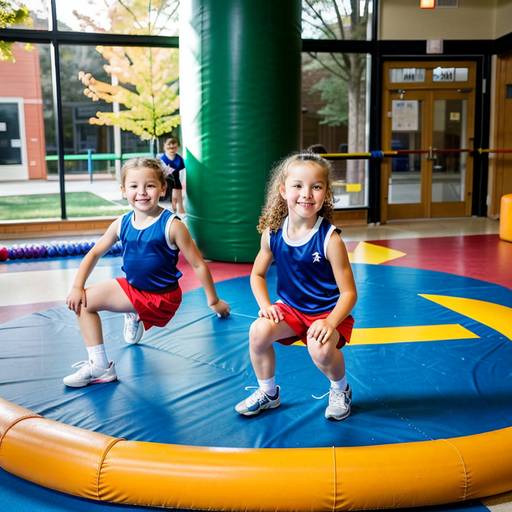
In this Kindergarten Physical Education lesson, students engage in a series of activities designed to develop their motor skills, coordination, balance, and teamwork through gymnastics and sports-related exercises. The session begins with a fun warm-up involving movements and dynamic stretches to energize the students.
Next, students rotate through four activity stations, which focus on balance, jumping, throwing, and coordination with soft balls and jump ropes. Each station lasts around five minutes, allowing students to explore different physical skills in a supportive environment. Following the stations, students participate in a team relay challenge, fostering collaboration and encouraging them to cheer for one another as they complete simple tasks together.
The lesson concludes with a gentle cool-down, including stretches and a group discussion where students reflect on their favorite activities and what they learned about balance and teamwork. Assessment is conducted through observation of participation and skill execution, ensuring a safe and inclusive environment for all students.
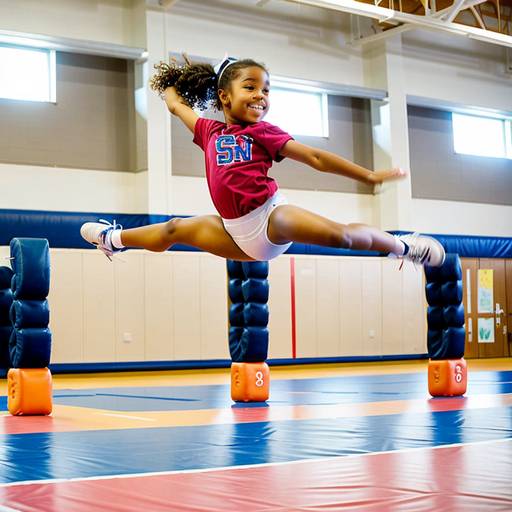
This Kindergarten physical education lesson plan focuses on introducing students to basic sports and gymnastics movements while fostering their coordination, balance, and teamwork skills. The session begins with a dynamic warm-up that incorporates stretching and fun movement activities to engage students. Following the warm-up, students participate in four activity stations that include gymnastics skills such as rolling and balancing, hula hoop challenges, ball skills with tossing and catching, and a relay race obstacle course. Each station encourages participation and interaction among peers.
After the activities, a cool-down period allows students to relax and reflect on their experiences, practicing deep breathing and gentle stretching. The teacher reinforces the importance of teamwork, physical fitness, and having fun while participating in sports and gymnastics. Throughout the lesson, students receive constructive feedback, and their enthusiasm and participation are observed for assessment purposes. The lesson concludes with a recap of the skills learned and an encouragement to practice at home, setting the stage for future learning about sports and teamwork. Adaptations are provided to accommodate varying abilities, ensuring an inclusive environment for all students.
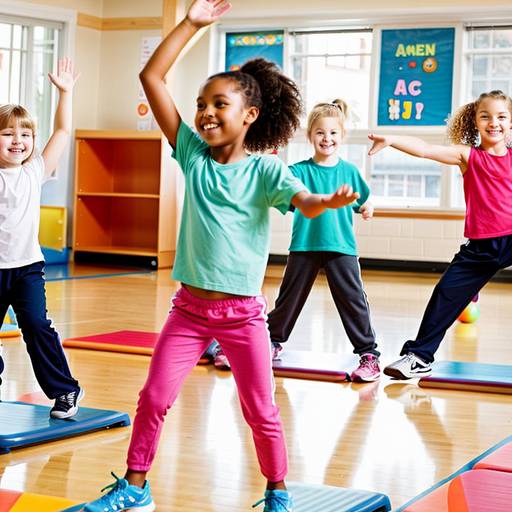
In this Kindergarten Physical Education lesson, students will engage in various activities designed to promote fitness and flexibility. The lesson begins with a warm-up session featuring dynamic movements like jumping jacks and high knees to energize the children. Following the warm-up, students will rotate through several stretching stations, each focusing on different stretches, such as the toe touch and butterfly stretch, allowing them to practice and hold each position while concentrating on their breathing.
Next, students participate in a fun movement game, "Freeze Dance," which combines dancing with stretching prompts, reinforcing the day's theme in an interactive way. To conclude the lesson, children will cool down by lying on mats for a calming body scan and reflection on their experiences, discussing the importance of movement and stretching.
Assessment will be based on observation of the students' participation and ability to follow instructions during stretches and activities. To accommodate diverse abilities, modifications will be offered to ensure inclusivity. The lesson aims to instill an understanding of the significance of fitness and flexibility, encouraging students to continue these practices at home.
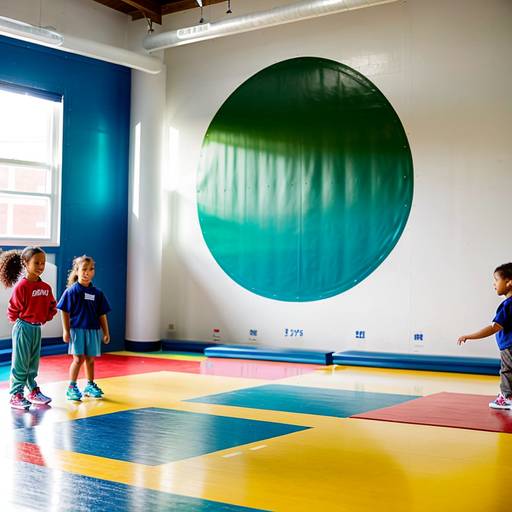
In this kindergarten physical education lesson, students will engage in a series of fun activities designed to enhance their gross motor skills while exploring the fundamentals of sports and gymnastics. The session will begin with a warm-up, including stretching and movement to prepare the students for physical activity.
Following the warm-up, students will rotate through four engaging activity stations: balance beam walking to develop balance, hula hoop games for coordination, soft ball tossing to practice aiming and teamwork, and jump rope challenges to promote jumping skills. These activities will encourage social interaction and cooperation among peers.
After the stations, a cool-down period will allow students to relax through deep breathing and gentle stretches, coupled with a reflection on their favorite activities from the lesson. Throughout the session, instructors will assess participation and teamwork while providing encouragement and feedback. The lesson aims to foster an appreciation for physical activity in a playful and supportive environment, with opportunities for extension and adaptations based on individual needs.