
Filters
Level
Grade
Subject
Subject Area
Subject Topic
Standard(s)
Audience
Keyword
DurationMinutes
Kindergarten Art Techniques Lesson Plans

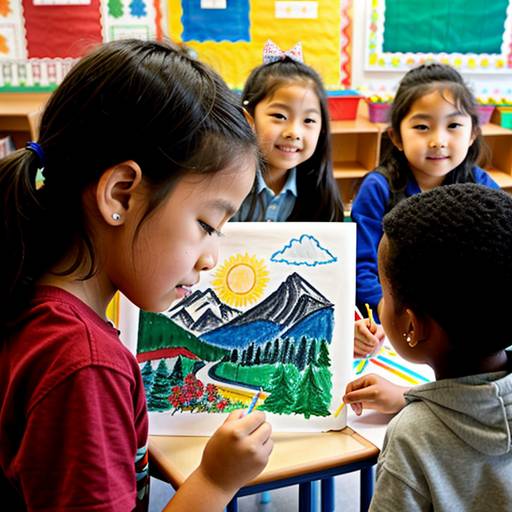
In this Kindergarten art lesson, students will explore various drawing techniques by creating their own colorful nature landscapes. The lesson begins with a discussion about nature and landscapes, allowing students to share their observations and feelings. Following this, the teacher demonstrates basic drawing techniques, such as different types of lines and shapes used to represent elements of nature, and discusses color application for depth and emotion.
Students then engage in a guided practice session, sketching their landscapes on drawing paper while incorporating the techniques learned. After sketching, they enhance their work with watercolor paints, experimenting with brushstrokes and blending colors. The lesson concludes with a mini-exhibition where students share their artwork with peers, fostering a sense of community and encouraging reflection on their creative process. Assessment will focus on student engagement and the application of learned techniques, rather than artistic perfection. Extensions and adaptations are included to support diverse learning needs and enhance creativity.
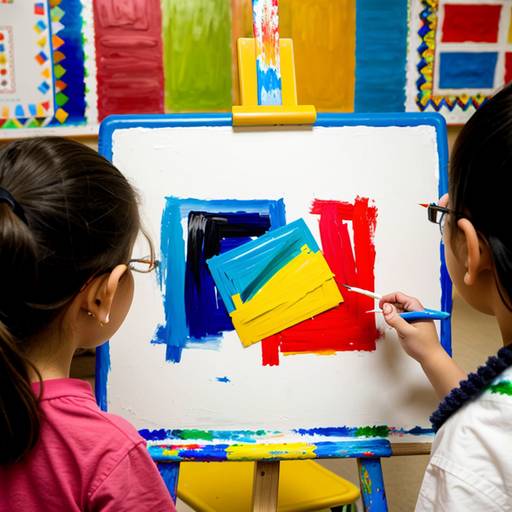
This kindergarten art lesson focuses on introducing students to various painting techniques while fostering creativity and self-expression. Over the course of one hour, students engage in a discussion about colors and painting, followed by a demonstration of different techniques such as sponging, splattering, and blending. Materials like water-based paints, brushes, and sponges are provided for hands-on exploration.
Students are divided into small groups to explore a specific technique before creating their own unique paintings, encouraged to use their favorite colors and combine techniques. Throughout the activity, the teacher circulates to provide guidance and positive feedback. The lesson concludes with a "gallery walk," allowing students to admire each other's work and share their artistic choices. Assessment is based on participation, creativity, and technique application, with opportunities for further exploration in future lessons. Overall, the lesson promotes collaboration and appreciation for individual artistic expression.
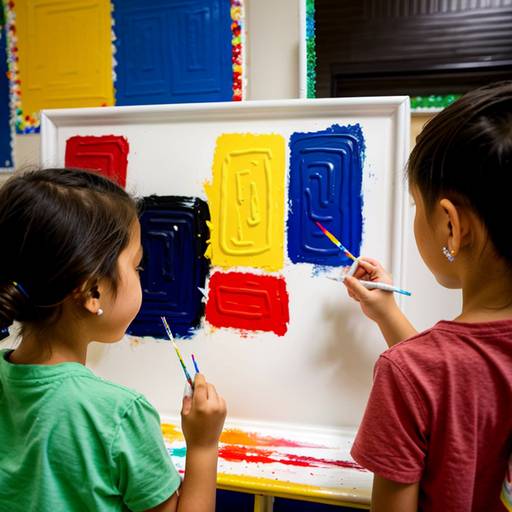
In this Kindergarten art lesson, students will embark on an engaging exploration of painting techniques and color mixing. The lesson begins with a discussion about primary colors and how they can be combined to create secondary colors. After a demonstration showcasing various techniques, such as sponge painting and brush strokes, students will have the opportunity to create their own artwork using washable tempera paints. They will experiment with different colors and textures, allowing for individual creativity to shine. As the class concludes, students will share their creations with their peers, discussing their techniques and color choices. This lesson not only fosters artistic expression but also reinforces foundational concepts in color theory and experimentation. Extension activities will encourage continual artistic development beyond the initial project.

In this Kindergarten art lesson, students will explore animal creation through the use of basic shapes. The lesson begins with a discussion about favorite animals, followed by an introduction to basic shapes and how they can be combined to form unique creatures. Students will then brainstorm their imaginary animals, sketching them on paper using pencils. Once their drawings are complete, they will add color and detail using crayons, colored pencils, and markers, with optional embellishments like glitter or stickers for additional texture. The session concludes with students sharing their artwork and discussing their creations. This lesson aims to enhance creativity and fine motor skills while fostering artistic expression and confidence among young learners. Cleanup is included as part of the structure to encourage responsibility.
Through observation and sharing, the teacher will assess students' understanding of shapes and their ability to express their ideas visually. Extensions may include collaborative projects, such as a class mural or storytime related to the animals created. Reflections on the effectiveness of the lesson will help inform future art activities.
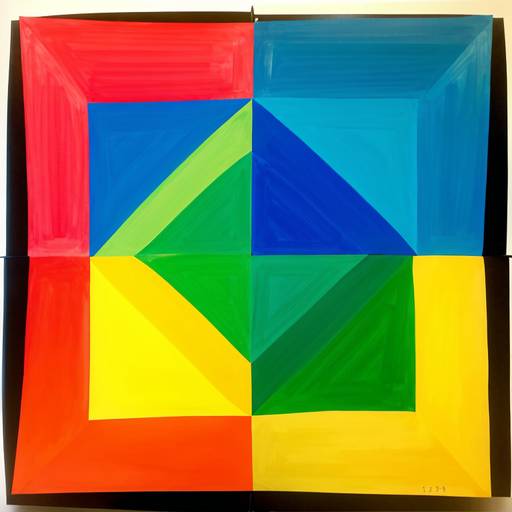
In this Kindergarten art lesson, students will explore the concept of geometric shapes by creating drawings of their favorite animals. The lesson begins with a discussion on animal shapes, allowing students to identify various geometric forms in different animals. Using large sheets of drawing paper, they will outline their chosen animal with basic shapes and then add details and colors using crayons, markers, or colored pencils. The activity encourages creative expression and fine motor skill development. After completing their artwork, students will have the opportunity to share their creations with the class, explaining the shapes they used. The lesson concludes with a group reflection on the artistic process and a gallery display of the students' work. Additionally, extensions are offered for further exploration of shapes through a "Shape Book" project. Overall, this lesson combines art techniques with foundational geometry in an engaging and interactive way.
In this Kindergarten art lesson, students will explore various painting techniques that focus on creating texture. The session begins with a brief introduction to the concept of texture and a discussion about different painting tools, accompanied by examples of textured artwork. Students will then rotate through exploration stations, engaging in activities that include sponge painting, splatter painting with toothbrushes, scraping techniques, and watercolor painting. Each station allows students to experiment with different materials and creative methods. After their exploration, students will have the opportunity to create a unique piece of artwork, combining at least two techniques of their choice. The lesson concludes with a sharing session where students present their work to the class and reflect on their creative choices. Throughout the activity, emphasis is placed on expression, creativity, and the joy of artistic exploration. Clean-up is guided to instill responsibility, and follow-up activities are suggested to reinforce the concepts learned.
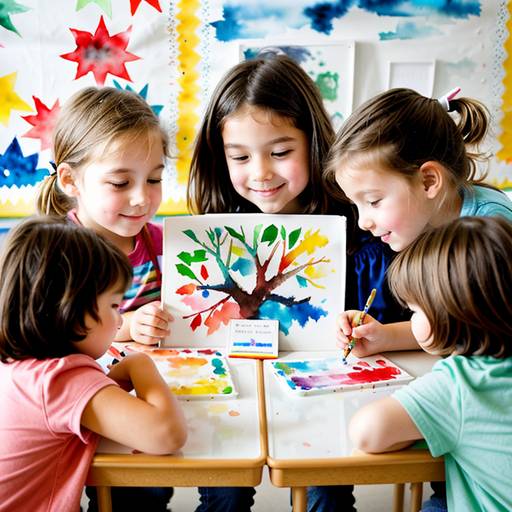
This kindergarten art lesson focuses on introducing students to watercolor techniques and the creative process of painting. The lesson begins with a discussion about watercolor painting and a presentation on the color wheel, highlighting primary and secondary colors. Following this, the teacher demonstrates essential watercolor techniques, including wash, blending, and creating texture.
Students are then guided to choose a simple nature scene to inspire their artwork, sketching their ideas lightly on watercolor paper. They are given time to independently paint their scenes, encouraging the use of the techniques learned and exploration of color mixing. Throughout the painting process, the teacher circulates to provide support and feedback.
After the painting session, students participate in a clean-up and then gather to share their creations with the class, explaining their artistic choices and techniques used. The lesson promotes creativity, self-expression, and introduces foundational skills in watercolor painting, while also encouraging peer sharing and appreciation of diverse artistic interpretations. Extensions are provided for early finishers and those wishing to integrate storytelling into their art.
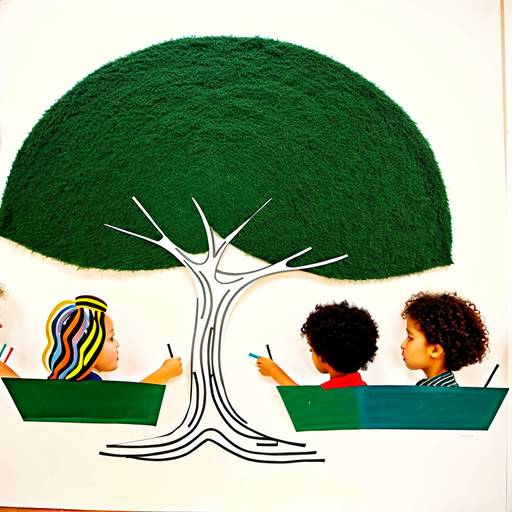
In this Kindergarten art lesson, students will explore basic art techniques through drawing inspired by nature. The session begins with a discussion to enhance observation skills, prompting students to identify lines and shapes in natural objects. Following this, the teacher demonstrates how to create simple drawings using basic shapes and lines. Students will then engage in a hands-on activity, either outdoors or with available nature objects, to create their own artwork incorporating these elements. The lesson concludes with a sharing session, where students present their creations and reflect on what they have learned. Assessment will focus on their ability to utilize lines and shapes in their drawings and their engagement during discussions. Extensions like adding texture to their artworks are also included to encourage creativity. The lesson aims to foster artistic expression and promote a supportive art community among students.