
Filters
Level
Grade
Subject
Subject Area
Subject Topic
Standard(s)
Audience
Keyword
DurationMinutes
Kindergarten Art Lesson Plans

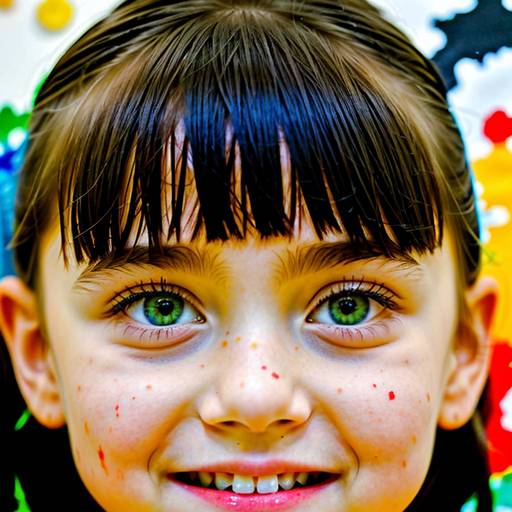
In this Kindergarten art lesson, students will explore various painting techniques that focus on creating texture. The session begins with a brief introduction to the concept of texture and a discussion about different painting tools, accompanied by examples of textured artwork. Students will then rotate through exploration stations, engaging in activities that include sponge painting, splatter painting with toothbrushes, scraping techniques, and watercolor painting. Each station allows students to experiment with different materials and creative methods. After their exploration, students will have the opportunity to create a unique piece of artwork, combining at least two techniques of their choice. The lesson concludes with a sharing session where students present their work to the class and reflect on their creative choices. Throughout the activity, emphasis is placed on expression, creativity, and the joy of artistic exploration. Clean-up is guided to instill responsibility, and follow-up activities are suggested to reinforce the concepts learned.
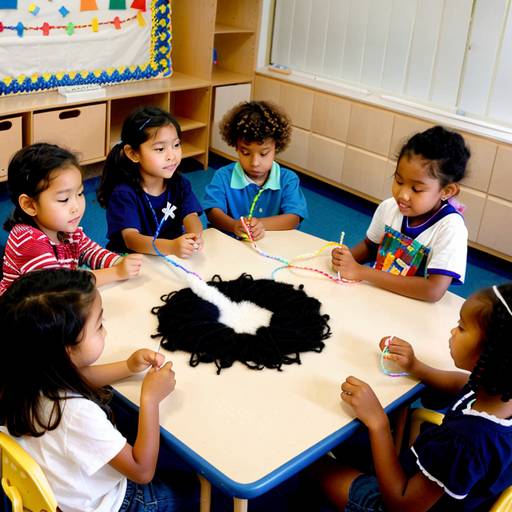
In this kindergarten art lesson, students will be introduced to fiber arts through hands-on exploration and creation. The lesson begins with a discussion about fiber art and its significance in various cultures, followed by an interactive session where students share their experiences with textiles. A demonstration of a simple loom method will guide them in weaving yarn using cardboard plates or paper plates as their loom base.
During the hands-on activity, students will create their own fiber art pieces by weaving colorful yarn and, if time allows, adding fabric scraps for embellishment. The lesson concludes with a sharing session where students present their creations to the class, discussing their choices of colors and textures. The lesson aims to foster creativity, fine motor skills, and an appreciation for different art forms while encouraging students to express their individuality through their artwork. Assessment will be based on participation and creativity, with extensions and adaptations available for varied learning needs.
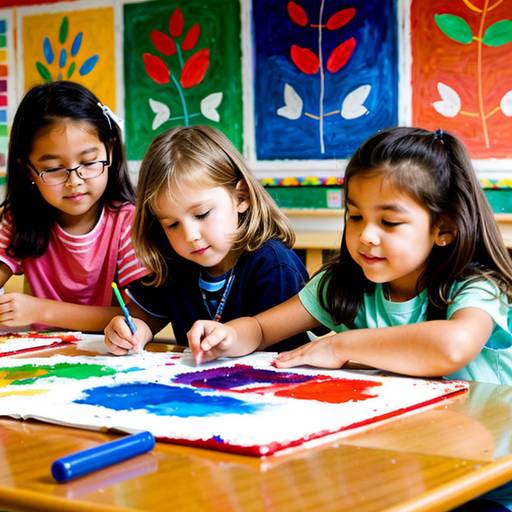
In this Kindergarten art lesson, students will explore fundamental elements of art, including line, shape, and color, while gaining a basic understanding of color theory. The session begins with a discussion that encourages students to identify their favorite colors and observe their use in nature and art. Following an introduction to the color wheel and the relationship between primary and secondary colors, students engage in a hands-on activity that involves mixing watercolors to create new hues.
After mastering color mixing, students will use their newly created colors, along with crayons and other materials, to create original artworks that incorporate various lines and shapes. The lesson concludes with a gallery walk where students can showcase their work and reflect on their learning experience. Throughout the lesson, students are encouraged to express their creativity while gaining foundational knowledge of art elements and color theory. The lesson promotes a supportive and enjoyable environment that allows for artistic exploration and discovery.
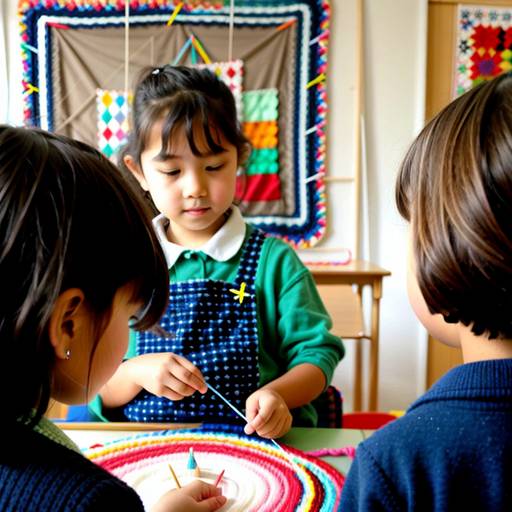
This Kindergarten art lesson focuses on introducing students to fiber arts through a hands-on weaving activity. Over the course of 60 minutes, students will learn about the various materials and techniques involved in weaving. The lesson begins with a brief introduction to fiber arts, followed by a demonstration of how to use a cardboard loom and simple weaving techniques.
Students will then have the opportunity to create their own woven pieces using colorful yarn and fabric scraps, promoting creativity and fine motor skills. They will share their creations with classmates, explaining their color choices and design processes, fostering a sense of community and collaboration. The lesson concludes with a cleanup and a discussion on the importance of maintaining a tidy workspace. Adaptations are included to support various learning needs, ensuring that all students can engage with the activity successfully. An extension activity encourages students to work together to create a class tapestry, further enhancing their understanding of collaboration in art.
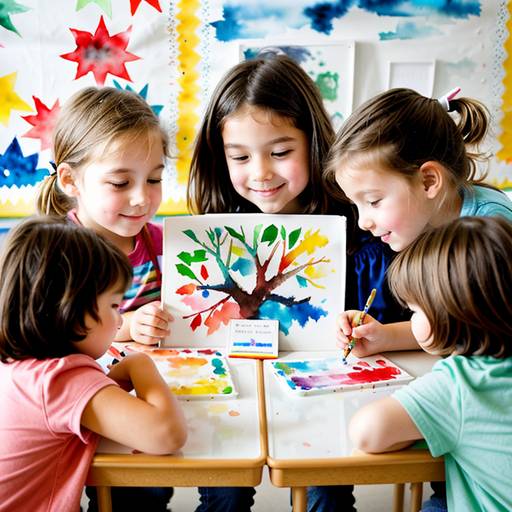
This kindergarten art lesson focuses on introducing students to watercolor techniques and the creative process of painting. The lesson begins with a discussion about watercolor painting and a presentation on the color wheel, highlighting primary and secondary colors. Following this, the teacher demonstrates essential watercolor techniques, including wash, blending, and creating texture.
Students are then guided to choose a simple nature scene to inspire their artwork, sketching their ideas lightly on watercolor paper. They are given time to independently paint their scenes, encouraging the use of the techniques learned and exploration of color mixing. Throughout the painting process, the teacher circulates to provide support and feedback.
After the painting session, students participate in a clean-up and then gather to share their creations with the class, explaining their artistic choices and techniques used. The lesson promotes creativity, self-expression, and introduces foundational skills in watercolor painting, while also encouraging peer sharing and appreciation of diverse artistic interpretations. Extensions are provided for early finishers and those wishing to integrate storytelling into their art.
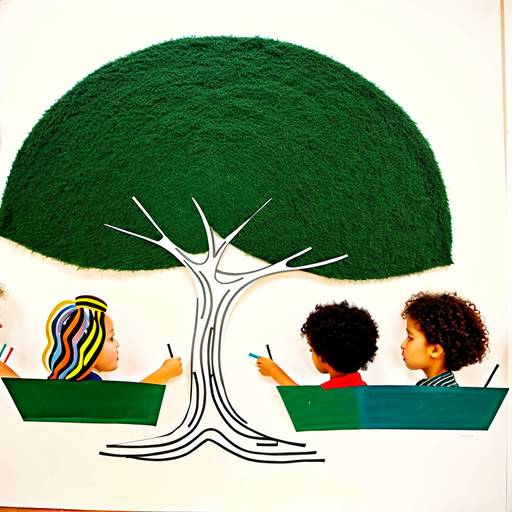
In this Kindergarten art lesson, students will explore basic art techniques through drawing inspired by nature. The session begins with a discussion to enhance observation skills, prompting students to identify lines and shapes in natural objects. Following this, the teacher demonstrates how to create simple drawings using basic shapes and lines. Students will then engage in a hands-on activity, either outdoors or with available nature objects, to create their own artwork incorporating these elements. The lesson concludes with a sharing session, where students present their creations and reflect on what they have learned. Assessment will focus on their ability to utilize lines and shapes in their drawings and their engagement during discussions. Extensions like adding texture to their artworks are also included to encourage creativity. The lesson aims to foster artistic expression and promote a supportive art community among students.