
Filters
Level
Grade
Subject
Subject Area
Subject Topic
Standard(s)
Audience
Keyword
DurationMinutes
Infant Sensory Development Lesson Plans


This lesson plan focuses on enhancing infants' sensory development through the exploration of various scents. It is designed for a group of infants aged 3-12 months and spans 30 minutes. The session begins with an introduction to the sense of smell, where caregivers are encouraged to engage with the infants using simple language. The main activity involves passing around containers filled with different natural scents, allowing infants to react and explore with their senses. Caregivers guide the experience, fostering interaction and discussion around the scents.
Following the scent exploration, the plan includes a sensory play activity with scented playdough and tactile materials like cotton balls or feathers, promoting hands-on engagement. The session concludes with a closing circle where caregivers and infants reconnect, sharing experiences and observations, while a song reinforces the themes of the exploration. Safety considerations are emphasized throughout, ensuring that all materials are non-toxic and monitored. The plan also encourages follow-up activities at home, promoting ongoing sensory experiences and bonding. Overall, the lesson aims to create a rich, engaging environment that nurtures infants' sensory awareness.

The lesson plan focuses on enhancing visual sensory development in infants aged 0-12 months through engaging and interactive activities. The session begins with an introduction to the importance of visual stimulation, followed by a series of activities designed to captivate the infants' attention.
Initially, caregivers are guided to present high-contrast toys to promote eye tracking and engagement. Next, a moving mobile is introduced, allowing infants to visually follow colorful shapes and patterns. Following that, colorful scarves are used to create motion and encourage exploration, while soft textured books with bold illustrations invite tactile interaction and auditory engagement through reading.
To conclude, the environment is dimmed to introduce LED lights or projectors that cast gentle moving patterns, complemented by mirrors that encourage infants to observe their own reflections. The session wraps up with a group reflection, where caregivers can share their observations and experiences. Additionally, follow-up activities are suggested to help caregivers continue promoting visual stimulation at home. Overall, the plan aims to foster a rich sensory environment that supports infants' visual development and strengthens caregiver bonds.

This lesson plan focuses on enhancing infants' visual development through a series of engaging activities that stimulate their visual senses. Designed for infants aged 0-12 months, the plan outlines a 30-45 minute session that includes hands-on exploration with colorful fabric squares, light-up toys, and black-and-white pattern cards.
The session begins with a brief introduction for caregivers about the significance of visual stimulation in infant development. Infants are then guided through various activity stations to explore textures, watch moving objects, and engage with mirrors, which fosters visual tracking and recognition. Interactive play with bubbles further enhances eye coordination.
To conclude, caregivers and infants gather for a calming reflection period, where they can discuss their observations and experiences during the activities. Overall, the plan emphasizes safe, engaging experiences that promote cognitive and motor skill development while encouraging active participation from caregivers.
This lesson plan focuses on stimulating infants' sense of smell through a series of engaging activities designed for caregivers and their little ones aged 6-12 months. The session begins with a brief introduction to the importance of scent, followed by exploration stations featuring a variety of scented samples such as herbs, citrus, spices, and sweets. Caregivers will assist infants in sniffing and reacting to the scents, fostering sensory awareness and bonding. The group then participates in a fun interactive game, where infants select scent containers, providing opportunities for guessing and playful reactions. The lesson concludes with a calming activity that incorporates a simple song about smelling, encouraging caregivers to continue exploring scents at home. Observation of infants' responses and feedback from caregivers will be used to assess engagement and learning outcomes. Overall, this experience aims to enhance sensory development and strengthen caregiver-infant connections.
The lesson plan focuses on engaging infants aged 3-12 months in sensory development activities centered around sounds. It includes a variety of interactive experiences, such as exploring diverse sound-producing instruments, listening to nature sound recordings, and playing with soft toys that generate sounds. The plan encourages caregivers to actively participate, promoting auditory awareness and recognition in infants. The activities are designed to stimulate curiosity and engagement, allowing infants to explore sounds freely while fostering caregiver-infant bonding. The session concludes with a calming sound experience, providing an opportunity for caregivers to reflect on their infants' responses and encourage continued sound exploration at home.
This lesson plan focuses on enhancing visual sensory development in infants aged 0-12 months through engaging activities and interactive materials. The session lasts 30-45 minutes and begins with an introduction that highlights the importance of visual stimulation.
Activities include exploring colorful toys to encourage hand-eye coordination, using light projectors or fairy lights for a soothing visual experience, and presenting high-contrast images to promote eye tracking. Infants will also engage with unbreakable mirrors to observe themselves, fostering social-emotional development, and explore a sensory blanket with various textures to stimulate touch and vision.
The session concludes with a gathering to discuss observations and experiences, emphasizing the importance of ongoing visual stimulation at home. Caregivers are provided with tips to continue supporting their infants' visual development, all while ensuring a safe and nurturing environment for exploration and interaction.
This lesson plan focuses on enhancing infants’ sensory development through the exploration of various textures. Designed for infants aged 6 to 12 months, the session lasts 45 minutes and includes interactive activities that promote tactile awareness and language skills.
The lesson begins with a welcome and circle time, introducing the theme of textures. Infants then rotate through several engaging stations, each featuring different textured materials. These stations include a texture board for hands-on exploration, plastic bags filled with varied items for infants to feel, a sensory bin with tactile materials, and a storytime segment that incorporates textured illustrations.
The group activity includes an interactive song about textures, encouraging movement and engagement. The session concludes with a reflection and sharing time, inviting caregivers to discuss their observations and the importance of texture exploration in sensory development. Follow-up activities encourage continued exploration at home, emphasizing the value of tactile experiences in early childhood. Caregivers are reminded to supervise their infants at all times to ensure a safe and positive learning experience.
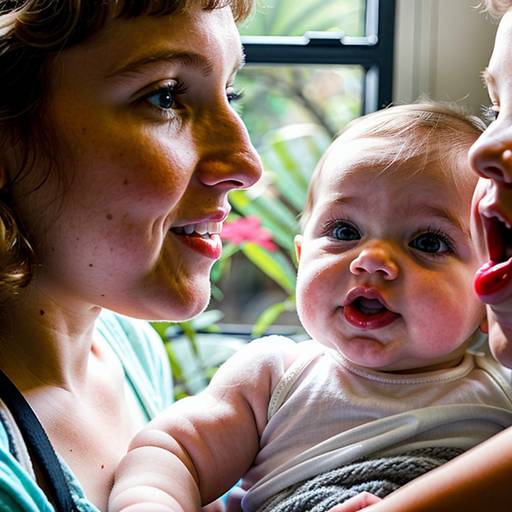
This lesson plan is designed for infants aged 6 to 12 months to facilitate sensory development through exploration of various textures. The session lasts 30-45 minutes and begins with a warm introduction and a welcome song to create an inviting atmosphere. Infants will engage in hands-on exploration at multiple sensory stations, each featuring different textured materials, such as soft fabrics, smooth stones, and rough surfaces. Caregivers will assist by guiding their infants through interactions and describing the textures in simple terms.
Following the exploration, a group discussion will allow infants to share their experiences while observing their reflections in a baby-safe mirror. The session will then incorporate a creative activity where infants can engage in finger painting on textured surfaces, enhancing their tactile experience. To conclude, calming instrumental music will play while caregivers help relax their infants through gentle motions or massages, reinforcing the textures they’ve learned about. The lesson aims to promote fine motor skills, sensory awareness, and bonding between infants and caregivers in a safe and engaging environment.

This lesson plan focuses on enhancing sensory development in infants by exploring a variety of scents. Designed for infants aged 6-12 months, the session lasts 30-45 minutes and includes engaging activities that promote interaction and sensory awareness.
The plan begins with an introduction that highlights the importance of smell in sensory development. Participants then rotate through sensory exploration stations featuring safe, scented items such as vanilla, lemon zest, and lavender. Caregivers guide infants as they smell and, when appropriate, touch or taste the scents, encouraging reactions and observations.
An interactive scent guessing game follows, allowing infants to experience scents blindfolded or with closed eyes, fostering engagement and expression. This is complemented by a creative collage activity where infants can explore scents through art materials, combining visual and olfactory experiences.
The session concludes with a group discussion where caregivers share their infants' scent preferences and reactions. The lesson is designed to encourage ongoing sensory exploration at home while ensuring a safe and enjoyable experience for all participants. Caregivers are reminded to monitor for any potential allergens.
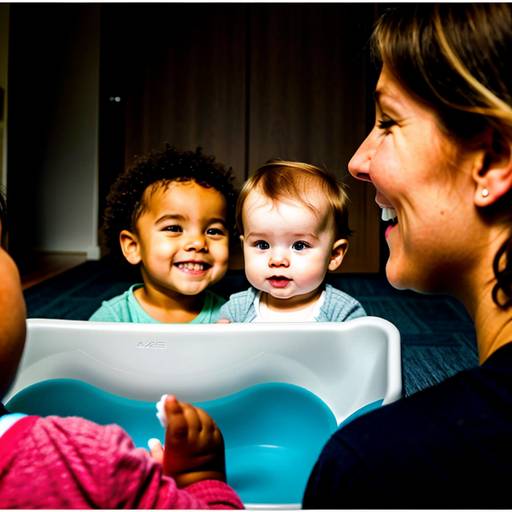
This lesson plan focuses on enhancing infants' sensory development through the exploration of various textures. Aimed at children aged 6-12 months, the session spans 45 minutes and includes activities designed to stimulate touch and tactile experiences.
The session begins with a warm welcome and an introduction to the theme of texture exploration. Infants rotate through several sensory stations featuring diverse materials, such as soft fabrics, rough sandpaper, and squishy toys. Each station encourages hands-on interaction and encourages infants to differentiate between contrasting textures.
Following the exploration, a sensory storytime engages the infants with a tactile-rich book that further reinforces their experiences. The lesson concludes with a reflection on the textures explored, allowing for calm interaction through music and quiet play.
Finally, caregivers receive recommendations for continuing the sensory experience at home. Throughout the lesson, facilitators observe infants’ reactions to gauge their interests and preferences, promoting a nurturing environment for sensory awareness and discovery.