
Filters
Level
Grade
Subject
Subject Area
Subject Topic
Standard(s)
Audience
Keyword
DurationMinutes
Infant Fine Motor Skills Lesson Plans


This lesson plan aims to help infants aged 6 to 12 months develop fine motor skills through a series of engaging activities designed to enhance hand-eye coordination, grasping, and manipulation. The session begins with a welcoming circle that includes a song with hand movements to foster engagement.
Infants will explore texture through soft sensory balls and wooden blocks in a sensory exploration station. Following this, they will have creative manipulation time using non-toxic play dough to squish and roll, promoting finger strength. A sorting and grasping activity with large buttons and containers will encourage pinching and dropping skills, while a fun pull and tug segment with fabric strips will focus on grasping and pulling.
The lesson concludes with a musical movement finale, where infants can explore sound using easy-to-grab shakers. Observations will be made regarding each child’s progress, and caregivers will be encouraged to support fine motor development at home through shared insights. Overall, this interactive session promotes the essential fine motor skills critical for infants' growth and future exploration.
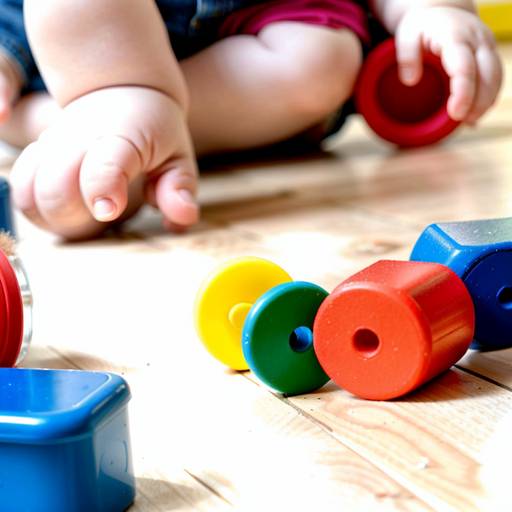
This lesson plan focuses on enhancing the fine motor skills of infants aged 6-12 months through a series of engaging, hands-on activities. The session begins with an introduction to the theme of hand movement and exploration. Infants will rotate through three activity stations designed to promote dexterity and coordination: stacking soft building blocks, stringing large beads or buttons, and searching for toys in a sensory bin filled with rice or sand.
Following the station activities, a group sharing time allows the infants to showcase their creations and discoveries, encouraging social interaction and celebration. The session concludes with a creative expression segment, where infants can use finger paints or thick markers to make art, promoting sensory exploration. Throughout the lesson, caregivers receive observations and insights into their child's fine motor development, along with suggestions for fostering these skills at home. Supervision is emphasized to ensure safety and maximize engagement with all materials throughout the lesson.
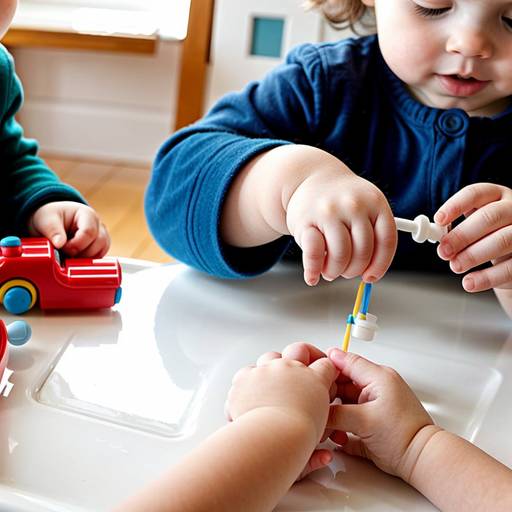
This lesson plan focuses on enhancing fine motor skills in infants aged 6 to 12 months through a series of engaging, hands-on activities. The session aims to promote hand-eye coordination, pincer grasp development, and grip strength while providing opportunities for sensory exploration and play.
The activities include stacking large beads or blocks, finger painting on large sheets of paper, and transferring objects between containers to encourage manipulation skills. Infants will also explore various textured fabrics and items, stimulating their tactile senses. Throughout the lesson, caregivers are encouraged to support and praise the infants, fostering a positive learning environment.
The lesson lasts for 30-45 minutes and incorporates both structured activities and free exploration, allowing infants to practice and develop their motor skills effectively. Observations during the activities will help assess individual progress, and adaptations are included to accommodate infants with varying abilities. Additionally, follow-up activities are suggested for caregivers to continue supporting fine motor development at home.

This lesson plan focuses on the development of fine motor skills in infants aged 6-12 months through engaging, hands-on activities. The session lasts 30-45 minutes and accommodates small groups of four to six infants with their caregivers.
The plan includes several interactive stations that encourage exploration and skill-building. Activities involve texture exploration with various fabric squares, block stacking for grasping and manipulation, and bead threading for hand-eye coordination. Additional opportunities for fine motor skill development include transferring small items using spoons, engaging in creative expression with crayons or finger paints, and sensory exploration with playdough.
The session concludes with a calming storytime featuring tactile books, allowing infants to enjoy an interactive reading experience. Throughout the activities, caregivers play a crucial role in supporting their infants and fostering confidence while enhancing vocabulary and sensory awareness. Observations of engagement and skill use help assess each child's progress, creating an enriching environment that encourages fine motor skill development through play.