
Filters
Level
Grade
Subject
Subject Area
Subject Topic
Standard(s)
Audience
Keyword
DurationMinutes
Infant Language Development Lesson Plans

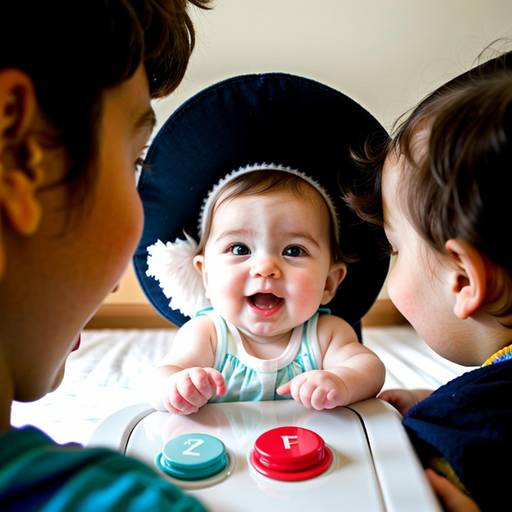
This lesson plan focuses on fostering early language development in infants and toddlers through engaging activities centered on rhythm and rhyming. The session includes a read-aloud of a rhythmic story, interactive rhyming games with picture cards, and the use of musical instruments to create sound patterns. Children are encouraged to express themselves through a movement-oriented song that incorporates rhyme, followed by a hands-on craft activity where they can draw and share their creations using rhyming words. The session concludes with a group discussion, allowing children to reinforce their understanding of rhymes. Throughout the lesson, observation of participation and engagement serves as an informal assessment of the children's developing language skills. This playful exploration aims to build a foundation for language awareness and enjoyment of sounds in words, creating a rich, interactive learning experience.
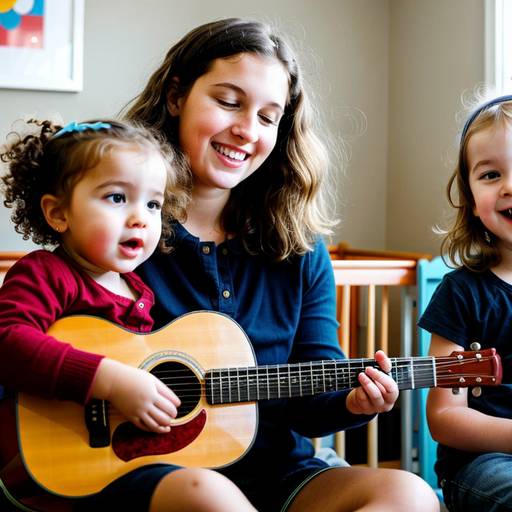
This lesson plan focuses on enhancing infants' language development through engaging activities centered around rhymes, rhythm, and sound play. The session begins with a warm welcome and an introduction to the theme, followed by an exploration of soft musical instruments, encouraging infants to experience sound. A sing-along segment features popular nursery rhymes, promoting movement and rhythm as caregivers bounce their infants to the music.
Interactive activities utilize colorful picture cards linked to the rhymes, facilitating visual and auditory connections. A storytime segment introduces a short rhyming text, encouraging expressive reading while caregivers engage with illustrations. The session concludes with a cool-down period featuring soft music, allowing for reflection on the day's activities and sharing tips for incorporating rhyme and rhythm into daily life at home. This approach aims to foster early language skills and a love for sounds and storytelling in infants.
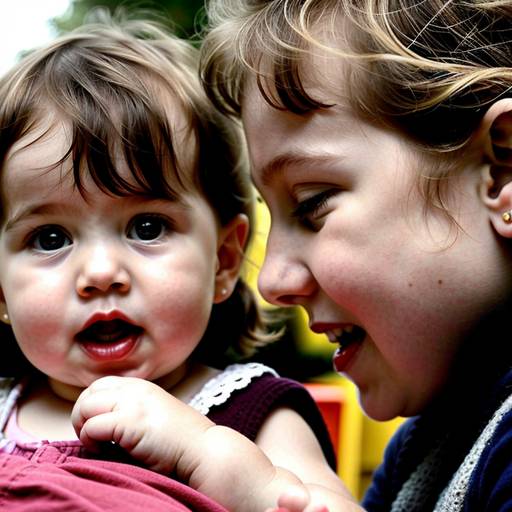
This lesson plan focuses on fostering infants' language development through playful babbling activities. Designed for infants aged 6-12 months, the session lasts 30 minutes and includes various interactive components. The plan begins with a welcoming song to engage the infants, followed by sound exploration using toys that produce different noises, encouraging them to mimic and respond to babbling sounds. An interactive storytime features rhythmic and repetitive sounds to invite participation, while mirror moments allow infants to see themselves as they vocalize, enhancing self-recognition and emotional connections. The session concludes with a cool-down period where caregivers and infants can relax together. Caregivers receive insights on the importance of babbling and tips to continue encouraging this skill at home. Optional extension activities include creating a "Sound Journal" to track and celebrate the infants' vocal progress. Overall, the plan aims to create a stimulating and enjoyable environment for infants to practice their emerging language skills.
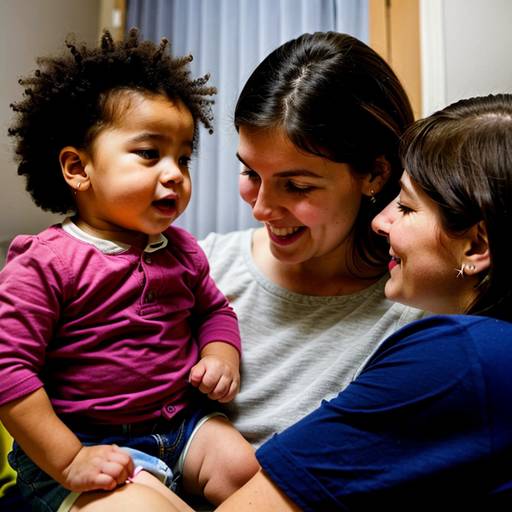
This lesson plan focuses on enhancing listening skills in infants aged 0-12 months through engaging, interactive activities. The session begins with an introduction emphasizing the importance of listening for language development. Infants participate in a sound exploration activity where they listen to various environmental sounds and interact with sound-making toys. Following this, infants enjoy a musical moments segment where they are introduced to simple instruments, encouraging them to mimic sounds and engage with music. The plan includes an interactive listening game where infants match sounds to picture cards, reinforcing auditory recognition. The lesson concludes with a calm wrap-up that highlights the sounds experienced and offers caregivers practical tips for continuing listening activities at home. Assessment focuses on observing infants' reactions and engagement, providing insights into their listening behaviors and developmental progress. The plan is designed to create a safe, stimulating environment that fosters auditory discrimination and early language skills.

This lesson plan focuses on enhancing listening skills in infants aged 0-12 months through engaging auditory activities. The session begins with a warm welcome to infants and caregivers, highlighting the importance of listening in early development.
Activities include exploring sound-making toys, recognizing animal sounds through audio clips, and using simple musical instruments to encourage infants to respond to various pitches and rhythms. A storytime segment incorporates sound words to engage infants further and foster interaction between caregivers and their little ones. The lesson concludes with a calming listening moment featuring soft music, allowing infants to relax while developing an awareness of different sounds.
Caregivers are encouraged to participate actively and share experiences, with a handout provided that offers tips for incorporating listening activities into daily routines at home. Overall, the plan aims to create a fun and supportive environment for developing essential listening skills while strengthening the bond between caregivers and infants.
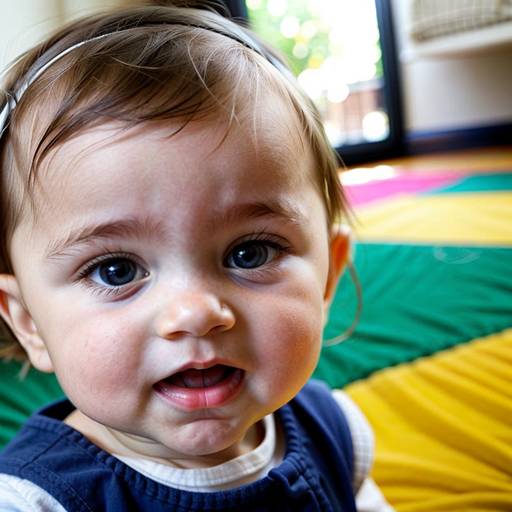
This lesson plan focuses on enhancing vocabulary development for infants aged 6-12 months through interactive and engaging activities. It aims to foster language comprehension by utilizing flashcards, storybooks, musical instruments, and plush toys. The session begins with a welcoming circle where caregivers and infants connect, followed by introducing vocabulary through flashcards, encouraging sound mimicking and participation. Storytime emphasizes repetition and engagement with picture books, while a musical segment incorporates vocabulary with fun sounds. Interactive play allows infants to explore objects and enhances social interaction. The lesson concludes with a recap song and positive reinforcement, encouraging caregivers to continue vocabulary-building activities at home. Overall, the lesson promotes language skills in a nurturing, play-based environment.

This lesson plan focuses on vocabulary building for infants aged 6-12 months, emphasizing words related to the natural environment. The session begins with caregivers and infants gathered in a circle to introduce the theme and new vocabulary words such as "flower," "tree," "sun," "bird," and "water." Engaging activities include using colorful picture cards for word introduction, playing nature-themed songs for active movement and interaction, and providing a sensory bin filled with safe natural items for hands-on exploration. During storytime, caregivers read soft fabric books that reinforce vocabulary through engaging visuals.
The lesson concludes with a closing circle where words are reviewed, and a goodbye song is sung. Caregivers are encouraged to continue using the new vocabulary at home during daily routines. The lesson aims to foster an interactive and enriching environment, promoting early language development through playful and engaging activities. Observations of infants' engagement serve as a means of assessment, allowing for real-time feedback on their responses to the vocabulary introduced. Adaptations are provided to cater to infants' varying mobility levels, ensuring inclusivity and stimulation throughout the session.

This lesson plan focuses on enhancing listening skills in infants aged 6-12 months through engaging sound exploration activities. The objective is to promote attention and appreciation for various sounds in their environment. The session begins with a warm welcome and soft background music to create a calming atmosphere.
The first activity involves a "Sound Box," where infants interact with different sound-making objects like rattles and bells, encouraging them to explore and make noise. Next, a sound-themed storytime highlights animal and environmental sounds, inviting infants to respond to and recognize the auditory cues presented.
The lesson also includes a "Sound Guessing Game," where caregivers help infants listen to sounds and identify them through visual prompts. To conclude, a gentle lullaby encourages relaxation, and caregivers are engaged in a discussion about their infants' responses.
Overall, the lesson fosters foundational listening skills critical for language development while encouraging caregivers to continue sound exploration at home. Follow-up activities include suggestions for home sound exploration and maintaining a "Sound Diary" to record infants' reactions to different sounds.

This lesson plan focuses on vocabulary building for infants aged 6-12 months, aiming to enhance their recognition of 10 everyday words related to their surroundings. The session begins with a warm introduction and a welcoming song, fostering a positive learning environment. Infants are then introduced to key vocabulary items through direct interaction with objects and pictures, encouraging them to repeat sounds and words.
An interactive sound game reinforces verbal connections, while storytime uses a large picture book to provide context and visual engagement. Sensory play allows infants to explore and identify objects, enhancing their word recognition in a hands-on manner. The lesson concludes with a closing song incorporating the new vocabulary, and parents receive handouts for at-home practice to reinforce learning.
Assessment focuses on observing infants' responses to the vocabulary and their engagement during activities, helping to guide future lessons and extensions for continued language development at home.
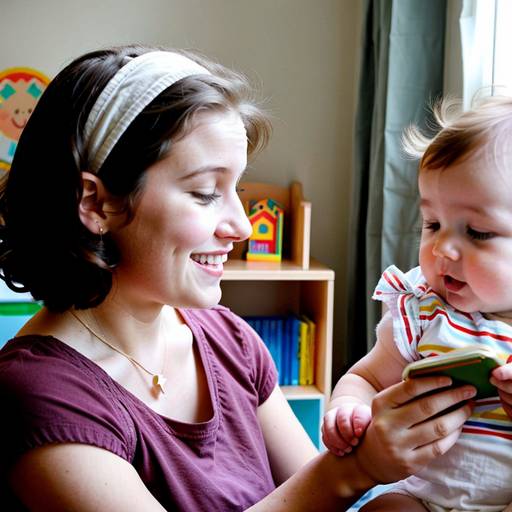
The lesson plan aims to support infant language development and reading readiness through engaging, interactive activities designed for infants aged 0-12 months and their caregivers. The session begins with a welcoming introduction that highlights the importance of early language skills. Caregivers and infants participate in a read-aloud segment using a colorful board book, allowing for tactile engagement with plush toys that represent characters.
Following the story, the group participates in a lively song and movement activity to foster listening and physical coordination. Sensory play with bubbles engages infants visually, while puppet interactions provide opportunities for communication and imagination. Musical rhythm sessions involve soft instruments to enhance auditory skills and create a fun environment.
The lesson concludes with a reflective gathering, where caregivers are provided with tips and recommended books to support reading at home, ensuring ongoing language development. Observations during the session help gauge infant engagement, promoting a nurturing and supportive learning atmosphere for both caregivers and infants.