
Filters
Level
Grade
Subject
Subject Area
Subject Topic
Standard(s)
Audience
Keyword
DurationMinutes
Infant Language Development Lesson Plans


This lesson plan focuses on promoting language development in infants through babbling activities. Aimed at infants aged 6-12 months, the session begins with a warm greeting song, creating an inviting atmosphere for infants and caregivers. It includes various sound imitation exercises where caregivers model babble sounds, encouraging infants to respond vocally.
Activities feature the use of rattles and soft toys to stimulate auditory engagement and social interaction. An interactive storytime with colorful books enhances visual and auditory stimulation, prompting infants to express their vocalizations. Free play allows infants to explore sounds independently while caregivers encourage their babbling.
The session concludes with a closing circle where infants share their favorite sounds, followed by a calming lullaby. Caregivers receive tips for continuing to foster babbling at home, ensuring the learning experience extends beyond the session. Overall, this plan emphasizes the importance of vocal exploration and caregiver engagement in supporting early language skills.

This lesson plan focuses on enhancing language development and reading readiness for infants and toddlers aged 0-2. Over the course of an hour, students will engage in activities designed to strengthen their listening skills and stimulate their vocabulary. Beginning with a welcoming song, the lesson flows into an interactive storytime featuring a colorful board book, where the educator encourages participation through questions and gestures. Following the story, a lively puppet show or rhyme activity allows infants to mimic sounds and movements, fostering interaction and language use.
The plan also incorporates sensory exploration with soft and crinkly books, inviting infants to touch and discover the textures and images. A simple craft activity allows infants to express their creativity by making their own “stories” with crayons and paper, reinforcing their connection to storytelling. The session concludes with a closing circle where children can share their creations and reflect on their favorite moments, wrapped up with a calming song to create a soothing end to the experience. Caregiver involvement is encouraged, emphasizing the importance of reading at home to cultivate a lasting love for books and language.

This lesson plan focuses on enhancing infants' language development through babbling practice, aimed at caregivers and educators of infants aged 6-12 months. The session begins with an introduction to the significance of babbling and its role as a precursor to language acquisition. Caregivers participate in a warm-up activity involving singing nursery rhymes while swaying with their infants, highlighting the connection between music and vocalization.
Next, demonstrative techniques for modeling babbling are shown, emphasizing back-and-forth communication and non-verbal cues. This is followed by an interactive group activity where caregivers engage in babbling exercises with their infants using simple toys to maintain interest and encourage vocal exploration. The session concludes with a reflection segment where caregivers share their experiences, along with the distribution of handouts summarizing key points and suggested activities for home practice.
Materials include song selections and various toys, with an informal assessment based on caregiver engagement and participation. Overall, this lesson aims to foster a playful and supportive environment for caregivers to encourage early communication skills in their infants through interactive and enjoyable practices.
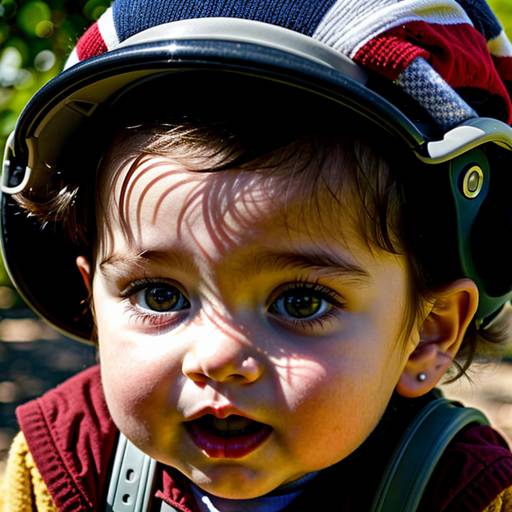
This lesson plan focuses on fostering early language development and reading readiness for infants aged 6-12 months through interactive activities. The session is designed for a small group of infants and their caregivers, lasting 30-45 minutes, and aims to enhance sound recognition, storytelling engagement, and book exploration.
The lesson begins with a welcoming circle, where the importance of language development is introduced. It includes a sound recognition activity that encourages infants to respond to musical instruments and game-like sound associations. Storytime follows, utilizing cloth books and puppets to capture infants' attention and promote visual recognition.
Participants then engage in rhymes and movement, reinforcing rhythm and phonemic awareness through familiar songs. A free exploration segment allows infants to interact independently with books and sensory toys, promoting discussion and inquiry led by their caregivers.
The session concludes with a closing circle, inviting caregivers to share observations and reinforcing the significance of reading at home. Informal assessments are made through observations of infants’ interactions and caregiver engagement. Follow-up suggestions include initiatives for further reading at home and resources to build a reading culture. This comprehensive approach aims to create a joyful and stimulating environment that supports early literacy skills in a playful manner.

This lesson plan focuses on enhancing early language development in infants through the use of rhymes and rhythmic activities. Designed for infants aged 6 to 24 months, the session aims to improve auditory processing and sound recognition in a playful environment.
The lesson starts with a warm welcome and an introductory sing-along that engages both infants and caregivers. Participants then experience a read-aloud session using rhythmic picture books, allowing caregivers to help stimulate visual and auditory engagement. Following this, movement and music are integrated with nursery rhymes, encouraging active participation through song and rhythm using soft instruments.
Colorful scarves are introduced for a dynamic activity where caregivers and infants explore gestures linked to familiar rhymes, enhancing physical connection and expression. The session concludes with a storytime that incorporates plush toys or puppets, fostering a sense of warmth and interaction. Caregivers are encouraged to share their observations, and resources for rhyming books and songs are provided for further exploration at home.
Overall, this lesson seeks to create a nurturing space for language growth, bonding, and fun, laying the foundation for effective communication skills as infants develop.
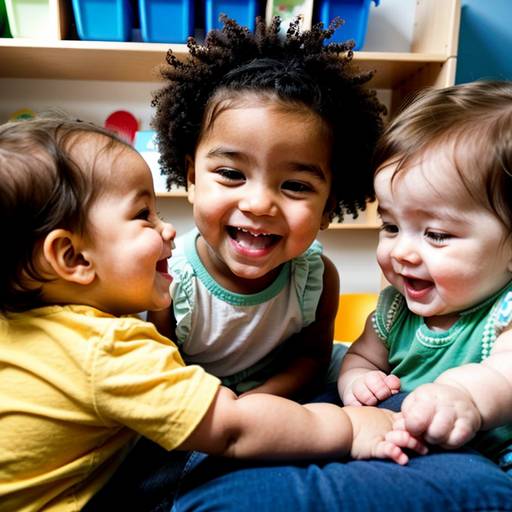
This lesson focuses on fostering early language development in infants aged 6-12 months through engaging and playful babbling activities. It aims to encourage infants to experiment with sounds, enhance caregiver involvement, and create a joyful environment for sound exploration. The session begins with a welcoming introduction where the importance of babbling is explained.
It includes five key activities: a warm-up sound circle where caregivers and infants mimic various sounds, a musical exploration segment with soft instruments for vocal play, and an interactive game involving sound and movement with colorful scarves. Additionally, there is a story time involving sound books that invite infants to explore textures and noises, followed by a calming cool-down activity.
Throughout the lesson, caregivers are encouraged to actively engage with their infants, promoting a sense of connection and shared enjoyment. The effectiveness of the session is assessed by observing infants' engagement and vocalizations, while caregivers are invited to share their observations. As a follow-up, resources are provided to help caregivers continue promoting sound exploration and babbling in their everyday routines.
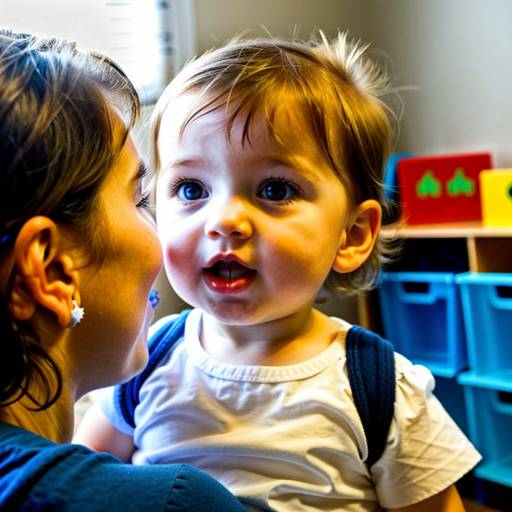
This lesson plan focuses on enhancing listening skills in infants aged 0-12 months through engaging and interactive activities. The session is structured to last 30 minutes and begins with a welcoming song to create a positive environment.
The first activity encourages sound exploration, where infants interact with musical instruments, recognizing different sounds while their caregivers guide them in understanding auditory cues. Following this, a storytime segment introduces infants to auditory storytelling using board books with rhythm and rhyme, where caregivers act out parts of the story with varying tones and sounds.
Next, a movement activity encourages infants to connect listening with physical responses by waving colorful scarves to gentle music. The session concludes with a calming lullaby, helping infants relax while reinforcing their listening skills. Caregivers receive tips to promote listening at home, while assessments focus on observing infants' engagement and responsiveness throughout the activities. Overall, the lesson aims to foster auditory awareness and engage infants with diverse sound experiences.
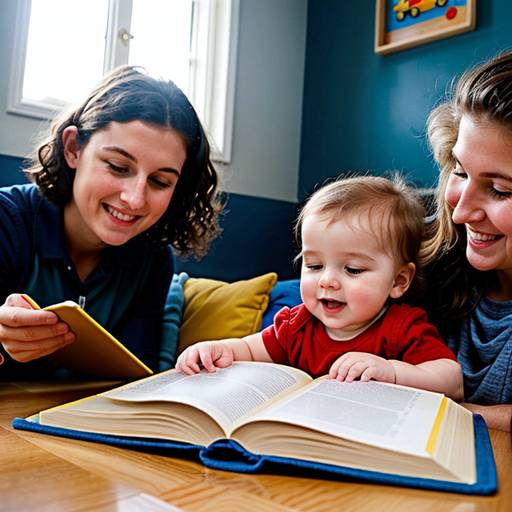
This lesson plan focuses on vocabulary building for infants aged 6-12 months through engaging and interactive activities. The session begins with a welcoming song to create a cozy atmosphere before transitioning into interactive storytime using colorful picture books. Caregivers are encouraged to engage with the infants by pointing to images and repeating words aloud, promoting responsive language skills.
Following the story, puppets are introduced to create dialogues using simple, repetitive phrases that allow infants to mimic sounds and actions. The plan incorporates a musical movement segment with nursery rhymes, where infants can shake instruments in time with the music, further enhancing their auditory and motor skills.
Additionally, a sensory vocabulary exploration activity is included, where infants interact with flashcards showcasing images and textured materials related to the vocabulary. This hands-on experience reinforces learning through touch.
The session concludes with a circle time, inviting caregivers to share new words their infants enjoyed, and wraps up with a farewell song to celebrate participation and learning. Assessment methods involve monitoring infants' engagement and verbalizations throughout the activities, while extensions suggest ways caregivers can continue supporting vocabulary development at home. Adaptations ensure inclusivity for infants at varying developmental stages. Overall, the plan aims to create a fun, interactive environment that fosters early language skills.
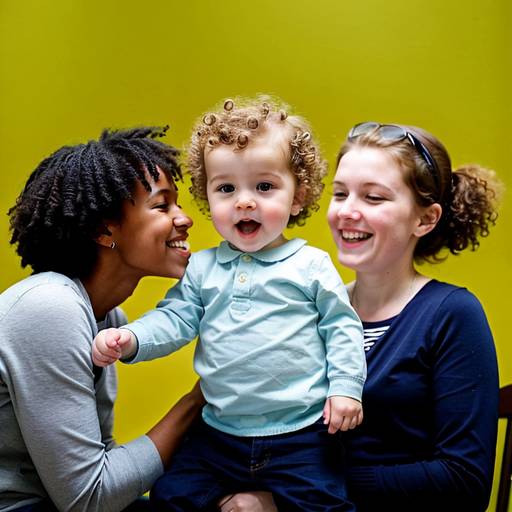
The lesson plan focuses on enhancing language development in infants aged 6 to 18 months through engaging activities centered around rhymes. It begins with a welcoming song to create a comfortable environment, followed by an interactive storytime using a vibrant picture book that highlights rhyming words. Infants participate in a rhythmic activity using simple instruments, engaging with nursery rhymes through clapping and tapping that emphasizes rhythm. A movement song encourages physical activity and bonding between caregivers and infants. The session concludes with a final rhyme and encourages caregivers to explore flashcards and picture books with their infants, reinforcing the importance of shared reading. The plan emphasizes observation of engagement and interaction to assess participation, while also suggesting follow-up activities for ongoing rhyme exploration at home.
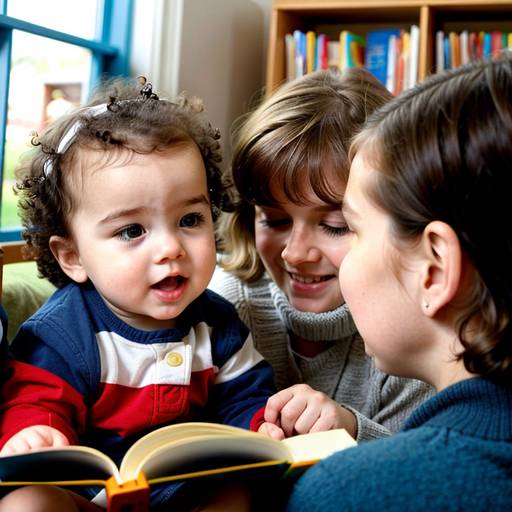
This lesson plan focuses on fostering early language development and reading readiness among infants aged 6-12 months through engaging and interactive activities. The session begins with a welcoming song to create an inviting atmosphere, followed by a story time exploration using colorful board books to promote auditory engagement and vocabulary building.
Infants and their caregivers participate in a rhymes and song session incorporating actions, enhancing auditory discrimination and bonding. Picture card play encourages recognition of familiar objects, allowing infants to point and mimic sounds associated with the images. Sensory book exploration provides opportunities for tactile engagement with fabric books, promoting curiosity and attachment to print.
The lesson concludes with a calming session where caregivers share reflections on the activities, reinforcing the importance of reading at home. Caregivers receive resources to support language development beyond the session, with encouragement to continue fostering their child's love for books and language. Throughout the plan, observation of infants' engagement and caregiver involvement is key to assessing the effectiveness of the activities.