
Filters
Level
Grade
Subject
Subject Area
Subject Topic
Standard(s)
Audience
Keyword
DurationMinutes
Elementary School Lesson Plans

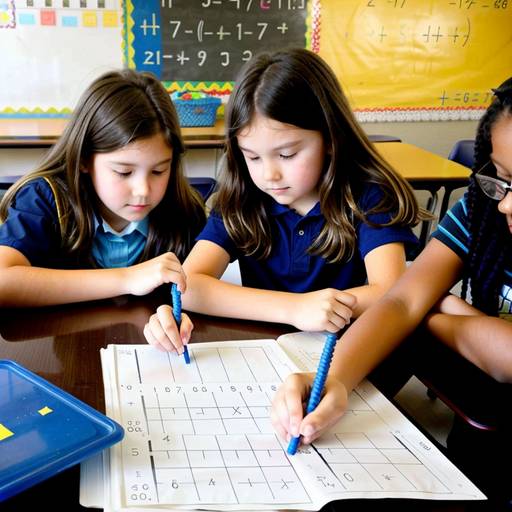
This 5th-grade math lesson focuses on introducing students to the concept of multiplying fractions. The lesson begins with a review of fractions, encouraging students to share real-life examples. Through visual aids, such as rubber fraction circles or DIY paper models, students learn to represent and visualize the multiplication of fractions. Guided practice involves solving a series of gradually more complex problems while illustrating their thinking.
Students then receive worksheets for independent practice, including problems based on real-world scenarios, such as cooking or measuring ingredients. After a group discussion on real-world applications, the class reconvenes to recap the key concepts learned. Assessment includes collecting the worksheets to gauge understanding and observing group interactions. Extensions and modifications are provided to accommodate diverse learner needs, ultimately reinforcing the connections between fraction multiplication and practical applications in everyday life.
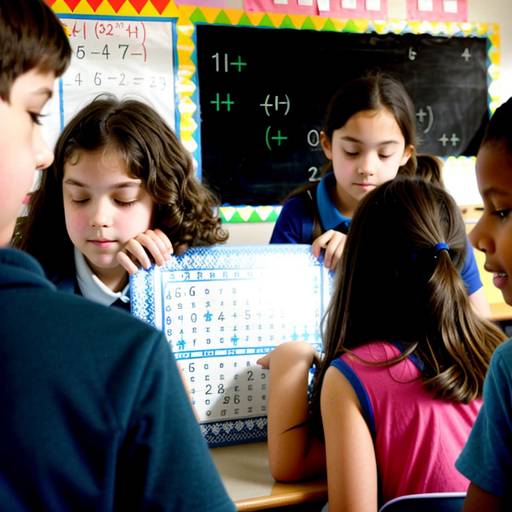
In this 5th-grade math lesson, students will explore the concept of dividing fractions through a variety of engaging activities. The lesson begins with a review of fractions, encouraging students to share real-life examples. The teacher will introduce the process of dividing fractions, emphasizing the rule of multiplying by the reciprocal, and will model this through simple examples on the whiteboard.
Students will then participate in a guided group activity where they will use fraction tiles or circles to solve division problems and visualize their answers. Afterward, they will complete a worksheet that includes both direct division problems and word problems related to real-life scenarios, fostering independent practice and collaborative discourse among peers.
The lesson will conclude with a recap of key concepts, followed by an exit ticket where students will reflect on what they learned and any lingering questions they may have. Extensions for further practice will be provided, including interactive games and a project involving adjusting recipes to apply their understanding of dividing fractions in a practical context. Assessment will be based on participation, worksheet accuracy, and reflections shared in exit tickets.
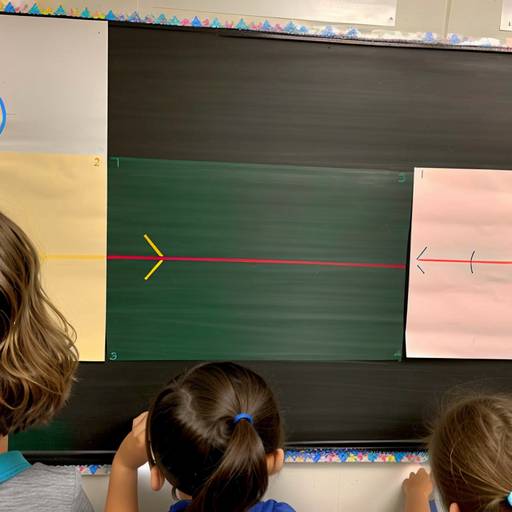
This lesson plan focuses on helping 3rd-grade students understand the concept of fractions and the importance of equivalent fractions. It begins with an engaging discussion about sharing food items, like pizza, to illustrate how fractions represent parts of a whole. Students then receive direct instruction on creating and identifying equivalent fractions using visual models, such as paper plates and fraction strips.
Guided practice involves students cutting their plates into different fractions and discussing their findings with peers. Independent practice reinforces learning through a worksheet containing fraction problems, where students identify and create equivalent fractions. The lesson concludes with a recap of the key concepts, where students share their insights, and an exit ticket that asks them to write down a pair of equivalent fractions they learned during the lesson.
The plan includes strategies for assessment by observing student participation and evaluating their worksheets. Additionally, differentiation is incorporated to provide support for students who need extra assistance and challenges for those ready to explore more complex fractions. Overall, the lesson fosters both understanding and engagement in the topic of fractions and equivalent fractions.

In this first-grade physical education lesson, students will participate in a fun, interactive session focused on cardiovascular fitness. The lesson begins with a warm-up activity called "Follow the Leader," where students engage in exercises that raise their heart rates. Following a brief discussion on the importance of cardio fitness, students will rotate through four activity stations designed to promote movement and teamwork. These stations include hopping in hula hoops, tossing bean bags at targets, participating in a relay race, and enjoying free dance time to upbeat music. After completing the stations, students will cool down with stretching exercises while reflecting on their experiences and feelings about the importance of physical activity. The lesson emphasizes enjoyment, cooperation, and inclusivity, ensuring that all students are engaged and active throughout the session. Informal assessment will be based on observation of participation and enthusiasm.
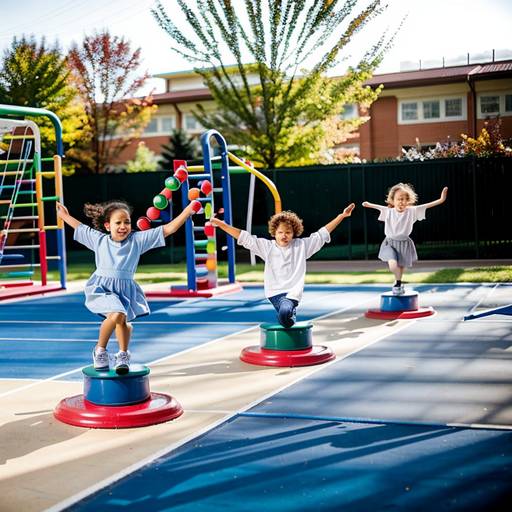
This Kindergarten Physical Education lesson focuses on developing coordination and balance skills through engaging activities. The session begins with a fun, movement-based warm-up where students follow a leader in a dance, promoting creativity and physical engagement. After the warm-up, students participate in walking exercises on balance beams, where they practice maintaining balance and attempting different movements, such as walking backwards or sideways.
The lesson continues with an obstacle course designed to challenge students' coordination skills. They navigate a series of tasks involving hula hoops and cones, allowing them to practice hopping, weaving, and sprinting. Students are divided into small groups, taking turns to complete the course while encouraging each other, and their times are recorded to promote a sense of achievement.
The session concludes with a cool-down period that includes gentle stretching and a reflective discussion, where students can express what they enjoyed and learned about balance and coordination. The lesson emphasizes safety and includes adaptations for students requiring additional support, ensuring an inclusive environment for all participants.
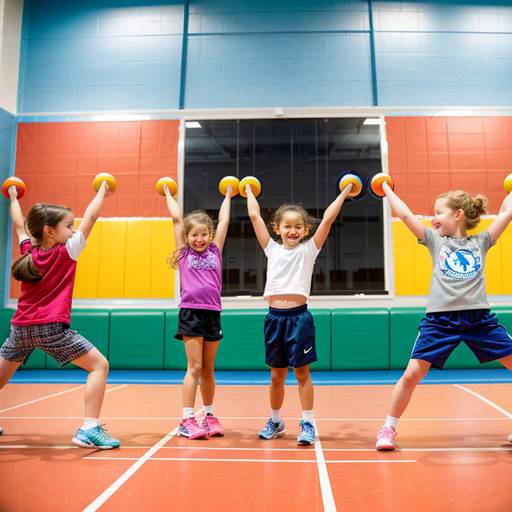
This Kindergarten Physical Education lesson plan focuses on introducing students to fundamental movement skills through engaging activities related to sports and gymnastics. The lesson begins with a warm-up session featuring fun exercises to energize the children. Students then rotate through four activity stations: Hula Hoop Hops, Balance Beam Walk, Creative Gymnastics Movement, and Target Toss, promoting skills such as hopping, balancing, and teamwork. After engaging in these activities, students cool down with deep breathing and gentle stretches. The lesson concludes with a group discussion to reflect on their experiences and emphasize the importance of being active in a fun and supportive environment. Overall, the plan aims to foster physical literacy and encourage cooperation among young learners.
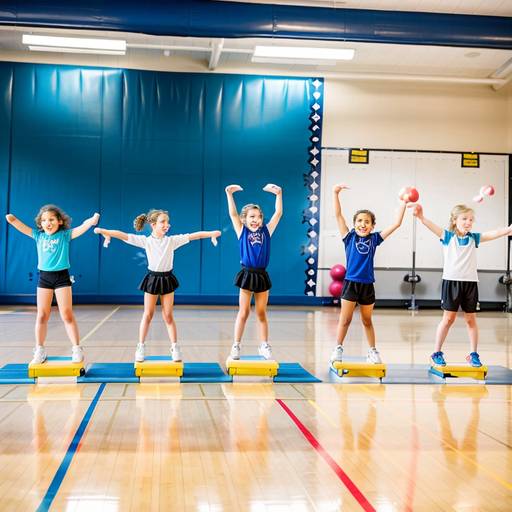
This 1st-grade physical education lesson focuses on introducing students to basic gymnastic skills and sports concepts through fun and engaging activities. The lesson begins with a dynamic warm-up to prepare the students' bodies, followed by a series of activity stations where they practice rolling, balancing, and jumping. Each station encourages skill development and teamwork through cooperative games. After the main activities, students participate in a cool-down that includes gentle stretches and a discussion reflecting on what they learned. The lesson provides opportunities for assessment through observations of student participation and skill execution, while also offering adaptations for different skill levels. To reinforce learning, students are encouraged to practice their newfound abilities at home, and plans for a mini showcase are suggested to further motivate and celebrate their progress.
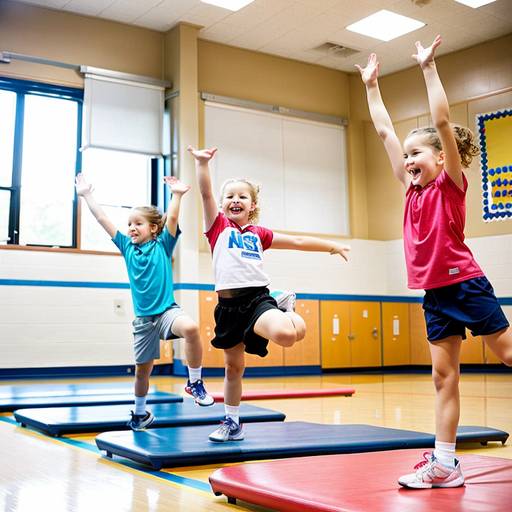
This lesson plan focuses on engaging 2nd-grade students in physical education through gymnastics and cooperative sports activities. The session begins with a warm-up that includes stretches and light jogging to prepare students for movement. Following the warm-up, students practice basic gymnastics skills such as forward rolls and balance activities on makeshift balance beams. The lesson also incorporates team-based relay races, where students work in groups to complete various physical challenges, promoting teamwork and communication. The session concludes with a cool-down period that includes deep breathing and gentle stretches, allowing students to reflect on their experiences and skills learned during the class. Throughout the lesson, the emphasis is on participation, encouragement, and skill development, ensuring a fun and inclusive atmosphere for all students.
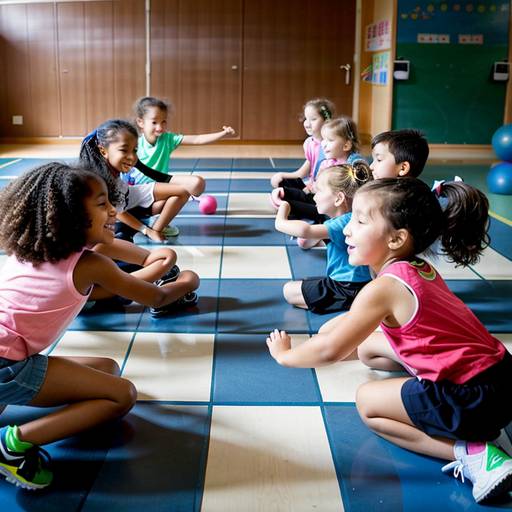
This kindergarten physical education lesson focuses on fostering understanding and appreciation for fitness and flexibility. Students begin by discussing the importance of being fit and flexible, followed by a fun warm-up that includes jumping jacks and simple stretches. The lesson then transitions into stretching stations where small groups practice various stretches, such as the butterfly stretch and side stretch, rotating through multiple activities to enhance flexibility.
Next, students engage in a lively obstacle course using cones, hula hoops, and balls or beanbags, promoting physical fitness through playful movement. The session concludes with a cool-down period where students perform seated stretches and reflect on their favorite activities, reinforcing the benefits of being active. Throughout the lesson, emphasis is placed on participation, enjoyment, and the importance of physical health, with adaptations available for diverse needs. Overall, the lesson aims to instill a love for movement and a foundation for lifelong fitness habits.
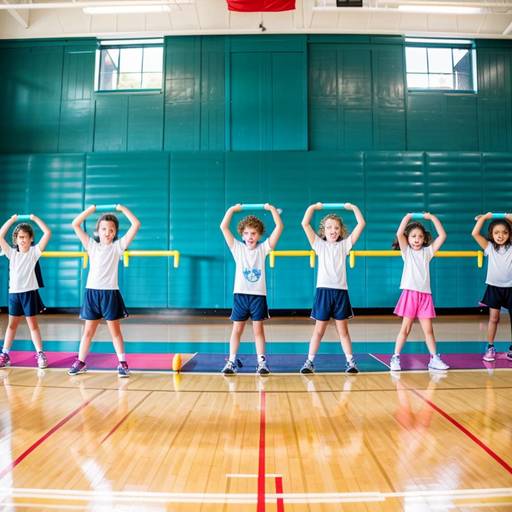
This 2nd-grade physical education lesson focuses on teaching students the importance of fitness and flexibility through engaging activities. The class begins with a brief introduction where students share their thoughts on being active. After a warm-up that includes light jogging and dynamic stretches, students rotate through various flexibility stations, practicing stretches like the forward bend and butterfly stretch.
Next, the lesson features two fun fitness games: a hula hoop relay and a jump rope challenge, fostering teamwork and promoting physical activity. Afterward, the class cools down with stretches similar to those practiced earlier and discusses the importance of flexibility and fitness. The session concludes with a brief reflection on what they learned and a fun dance party to encourage movement. Overall, students gain a better understanding of maintaining an active lifestyle while enjoying physical exercise.