
Filters
Level
Grade
Subject
Subject Area
Subject Topic
Standard(s)
Audience
Keyword
DurationMinutes
Elementary School Lesson Plans


In this Kindergarten Language Arts lesson, students will focus on identifying and describing main characters and settings in stories to enhance their reading comprehension. The lesson begins with a read-aloud of a selected picture book, followed by group discussions that highlight characters and settings. Students will engage in a guided practice activity where they explore different picture books in small groups, sharing their observations with the class.
Afterward, each student will complete an independent worksheet where they will select a character and a setting, draw them, and write a sentence describing them. The lesson concludes with a sharing session where students present their work, reinforcing their understanding of the concepts discussed. Assessment will involve collecting worksheets and observing group interactions to gauge comprehension. Extensions and adaptations are provided to cater to various learning needs, ensuring an inclusive learning environment that fosters a love for reading and storytelling.

In this 4th-grade Language Arts lesson, students will explore the elements of storytelling, focusing on characters, setting, problem, and solution to enhance their reading comprehension. The lesson begins with an interactive discussion where students share their favorite stories, activating their prior knowledge. A selected story is read aloud, allowing students to listen for key elements while engaging in guided discussions about character motivations.
Following the read-aloud, students will work in small groups to complete a graphic organizer that outlines the story's main components based on their assigned section. This collaborative activity aims to deepen their understanding of how characters respond to challenges throughout the narrative.
The lesson concludes with group presentations, where each team shares their summaries and insights on character decisions, fostering a reflective discussion on the impact of these choices on the story's outcome. Assessment will be conducted through observations during discussions and by collecting the graphic organizers to gauge student comprehension. Extensions will be provided for advanced learners, while accommodations will be made for those needing additional support. As homework, students will apply what they've learned by identifying story elements in another book of their choice.
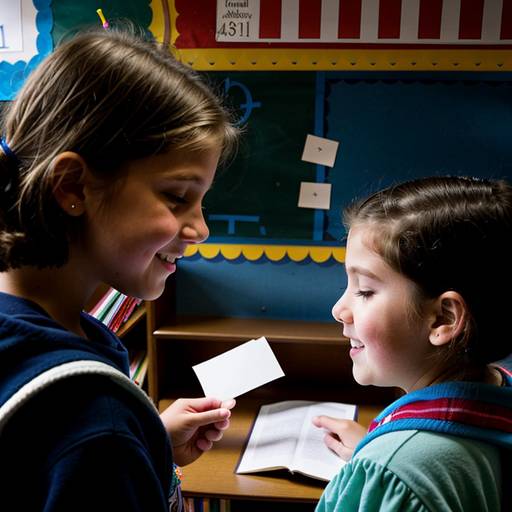
In this third-grade Language Arts lesson plan, students will explore the elements of narrative writing by understanding the key components: character, setting, and plot. The lesson starts with a class discussion to identify what makes a good story, followed by a collaborative creation of a chart that outlines these elements with examples. Students will then engage in a brainstorming session, prompted by an imaginative scenario about finding a magical door, to generate ideas for their stories.
During writing time, they will utilize provided templates to draft their narratives, incorporating detailed descriptions and creativity. The lesson culminates with students sharing their stories with classmates, fostering a supportive environment for peer feedback. Assessment will focus on students’ understanding and application of narrative elements in their writing. Extensions include opportunities for advanced students to illustrate their scenes and compile a class storybook. Reflection at the end will help gauge students' engagement and understanding of the narrative writing process.

In this 60-minute lesson, 5th-grade students will explore the key elements of narrative writing, including characters, setting, plot, conflict, and resolution. The session begins with a discussion about what makes stories interesting, which will be recorded on a whiteboard. After introducing the key narrative elements with examples, students will engage in guided practice by working in small groups to create a story map based on a familiar tale. Each group will present their story map to the class, reinforcing their understanding of narrative structure.
Following this collaborative activity, students will brainstorm and outline their own narrative ideas using provided prompts, focusing on developing their main character, setting, conflict, and resolution. They will then draft their narratives, incorporating descriptive language and dialogue. The lesson concludes with students sharing portions of their stories with the class, helping to foster a sense of community and encouraging creativity.
Assessment will be carried out by collecting outlines and narrative drafts to evaluate students' comprehension of narrative structure and their writing skills. Extensions and differentiation strategies are included to cater to varied learning needs, ensuring all students can engage meaningfully with the writing process.

In this 4th-grade language arts lesson, students will explore narrative writing by focusing on the essential elements of storytelling: character, setting, and plot. The lesson begins with a discussion about favorite stories to generate interest and identify narrative components. A mini-lesson will provide a deeper understanding of each element, using examples from literature and media. Students will then participate in guided brainstorming with a story prompt, allowing them to develop their own ideas independently. They will create the outlines for their narratives and begin drafting stories, emphasizing the use of descriptive language. To conclude the lesson, students will share their ideas with peers and reflect on their writing experiences, highlighting what they enjoyed and any challenges faced. Assessment will include reviewing students' outlines and narratives to gauge their understanding of narrative structure. Homework will require students to finalize their stories for a future storytelling activity. Optional extension activities include creating illustrations and pairing students for peer feedback.


The lesson focuses on introducing kindergarten students to the concept of addition using a number line as a visual and interactive tool. Students will learn how to represent addition problems through forward movement on the number line. The lesson begins with engaging discussions about counting and combining objects, followed by a demonstration of addition using both the number line and manipulatives.
During guided practice, students will participate in an interactive activity that involves jumping on the number line to solve addition problems, and they will engage in partner work to reinforce their understanding. Independent practice will involve worksheets that allow students to visualize and solve simple addition problems.
The lesson concludes with a review where students can share their experiences, and their understanding will be assessed through both observation and completed worksheets. Modifications will be made to support all learners, ensuring that each student can engage meaningfully with the content. The overall goal is to help students build a strong foundation in addition while fostering an enjoyable and interactive learning environment.

In this 1st-grade math lesson, students will explore the concept of addition using a number line as a visual tool. The lesson begins with a discussion on addition, encouraging students to share their experiences with counting objects. A large number line is introduced, allowing students to visualize how to jump from one number to another to find sums.
During guided practice, students participate in demonstrations where they solve simple addition problems by making physical jumps on the number line, reinforcing their understanding through verbal counting. They then engage in a hands-on activity with partners, using manipulatives and addition cards to represent addition problems, followed by using individual number lines to find answers and discuss their strategies.
To solidify their learning, students complete worksheets that require them to draw their jumps on the number line while solving problems independently. The lesson concludes with a sharing session where students discuss their experiences and solutions, reinforcing key concepts learned about addition and the use of number lines. The teacher assesses understanding through observation and worksheet review, with extensions provided for those who grasp the material quickly. This interactive approach aims to create a dynamic learning environment that fosters a strong foundation in addition.

In this 60-minute mathematics lesson designed for 2nd-grade students, the focus is on teaching addition through the use of a number line. The lesson begins with a warm-up discussion that encourages students to share their prior knowledge about addition, followed by a demonstration of how to visualize addition using a number line.
During direct instruction, students are shown how to make "jumps" on the number line to find sums for simple addition problems. Afterward, they engage in hands-on activities where they work with counters and solve problems together, fostering a collaborative learning environment.
Independent practice follows, where students complete worksheets that require them to illustrate their addition problems on a number line, reinforcing the concepts learned. The lesson concludes with a class discussion to share solutions and an exit ticket assessment that captures each student's understanding of using the number line for addition.
Overall, the lesson aims to build fluency in basic addition facts while providing visual and hands-on strategies for students to understand and master the concept.
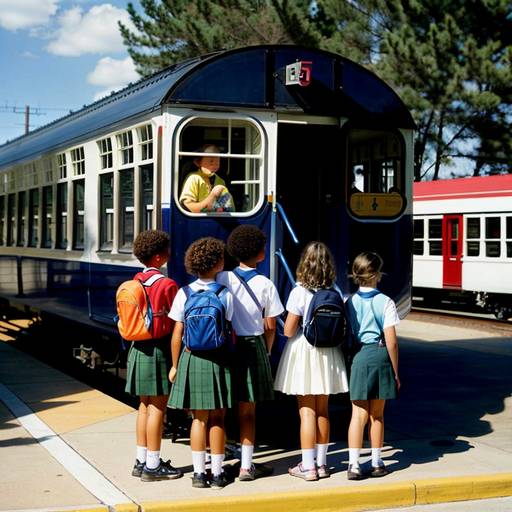
This 5th-grade math lesson focuses on enhancing students' understanding and application of addition through engaging activities. Students will explore concepts of multi-digit addition, including strategies such as regrouping and breaking down numbers. The lesson begins with a discussion about the importance of addition in everyday life, followed by direct instruction where the teacher demonstrates various addition techniques.
In guided practice, students work in pairs to solve addition flashcards in a timed challenge, promoting collaboration and interactive learning. They then transition to independent practice, completing worksheets that reinforce their skills. The lesson concludes with a review of key concepts and strategies, giving students the opportunity to share their experiences. To motivate and celebrate progress, small prizes are awarded for participation and accuracy.
Throughout the lesson, differentiation strategies are employed to accommodate diverse learning needs, ensuring that all students can engage with the material effectively. Extension activities encourage further practice and application of addition skills outside the classroom. Overall, the lesson aims to create an engaging and supportive environment that fosters a positive attitude towards math.

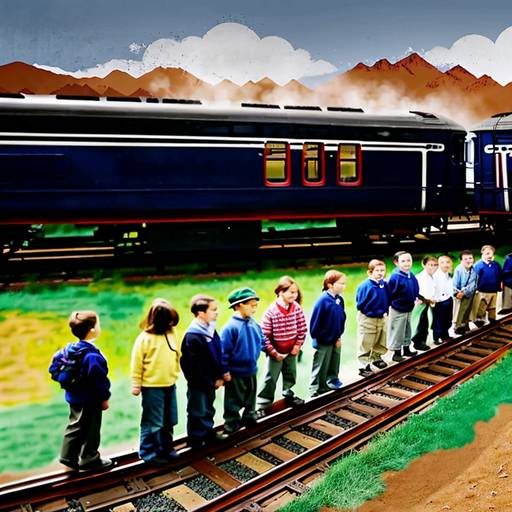
This 1st-grade social studies lesson plan focuses on helping students understand the various roles within their community and the importance of these roles in contributing to the overall well-being and function of the community. The lesson begins with a read-aloud of a story that introduces different community helpers, followed by a discussion to engage students and enhance comprehension.
Direct instruction involves listing various community roles on the whiteboard, providing explanations, and using visual aids to reinforce learning. In small groups, students will creatively construct a "Community Train" on butcher paper, with each train car representing a different role they have learned about. Groups will then present their creations to the class, elaborating on the responsibilities of each community helper.
The lesson concludes with a reflective discussion about what they have learned and the significance of recognizing community helpers. A class mural incorporating all groups' work will be created, providing a visual representation of their understanding. Assessment will be based on participation, group presentations, and optional individual quizzes. Extensions may include inviting a community helper or organizing a field trip to explore these roles in real life. Adjustments can be made to accommodate the specific needs of the class.