
Filters
Level
Grade
Subject
Subject Area
Subject Topic
Standard(s)
Audience
Keyword
DurationMinutes
Elementary School Lesson Plans

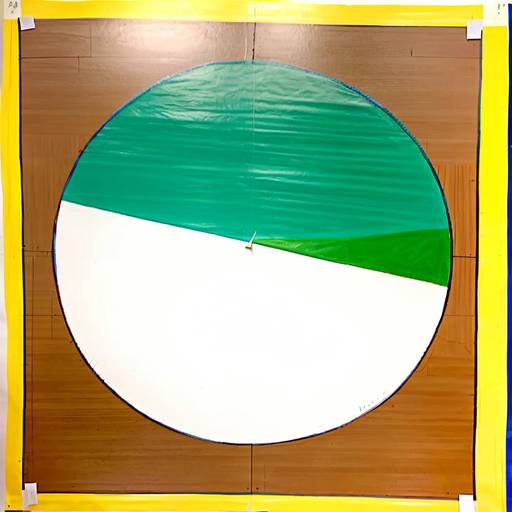
This 4th-grade math lesson focuses on helping students understand the concepts of geometry and area through hands-on activities and discussions. The lesson begins with an engaging discussion about the relevance of area in real life, followed by direct instruction on calculating the area of rectangles and squares using formulas. Students participate in guided practice by drawing shapes on graph paper and calculating their areas, promoting collaborative learning through partner discussions.
In small groups, students measure various classroom objects with measuring tapes, recording their dimensions and calculating area, further solidifying their understanding through practical application. The lesson culminates in group presentations, where students share their findings, fostering communication skills and reinforcing the importance of area in everyday scenarios.
Assessment is achieved through observation of group work, review of calculations, and graphed shapes. Extensions encourage more advanced learners to explore irregular shapes and introduce the concept of perimeter for future lessons. This comprehensive approach ensures that students gain a solid foundation in geometry and area while engaging in practical, real-world applications.
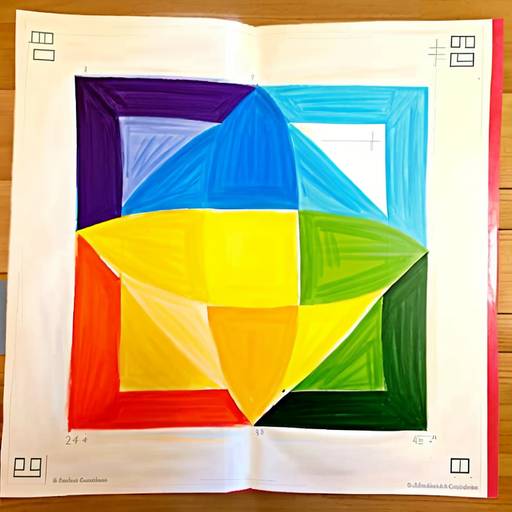
This 2nd-grade math lesson plan focuses on introducing students to basic geometric shapes, including circles, squares, triangles, rectangles, ovals, and pentagons. The objectives include helping students to identify and name these shapes, understand their properties (such as the number of sides and angles), and explore their presence in everyday life.
The lesson begins with a discussion about shapes found in the classroom, followed by direct instruction that features visual aids and real-world examples for each shape. Students then engage in guided practice by working in small groups to measure different shapes and classify them based on their attributes.
For the independent activity, students embark on a shape hunt around the classroom, recording their findings on a worksheet that encourages them to draw or identify items that match the shapes discussed. The lesson concludes with a sharing session and a brief reflection on the shapes observed.
Assessment is conducted through observation, group work participation, and reviewing worksheets. Extensions and adaptations are offered to ensure all students can engage effectively, such as creating collages from magazines or using technology for interactive learning. Overall, this lesson promotes hands-on exploration and collaborative learning in geometry.
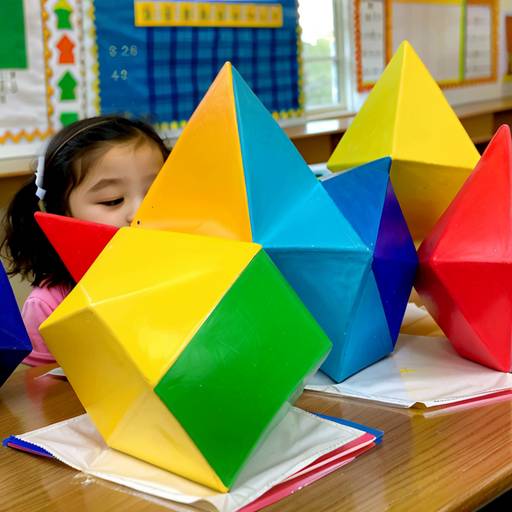
This 1st-grade math lesson focuses on introducing students to basic geometric shapes, including circles, squares, triangles, and rectangles. The lesson begins with an engaging story that highlights shapes and their characteristics, followed by an interactive discussion where students identify shapes around them.
Students participate in a scavenger hunt to find real-life objects that match each shape on their checklist, fostering exploration and practical application of their knowledge. After the scavenger hunt, the class comes together to share their findings, reinforcing their understanding of shapes and their attributes. The lesson concludes with a quick review activity to ensure students can identify and describe the shapes covered, promoting a fun learning environment that connects geometry to the world around them. Assessment occurs through observation and participation, with extensions available for further exploration of shapes.
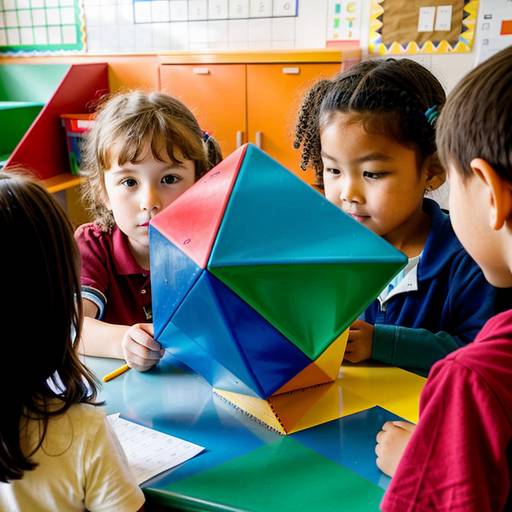
This Kindergarten math lesson focuses on introducing students to basic geometric shapes, including circles, squares, triangles, rectangles, and ovals. Beginning with a circle time activity, students will learn to identify and describe these shapes by their attributes. The lesson includes a hands-on scavenger hunt, where students explore their environment to find real-life examples of shapes, promoting awareness of geometry in everyday life.
Students will also participate in a shape sorting activity in small groups, where they will classify various objects based on their shapes. To enhance creativity, they will create a shape collage using construction paper and various materials, further reinforcing their understanding of shapes through art. The lesson concludes with a review and sharing session, allowing students to express their thoughts and discoveries while highlighting the significance of shapes in their surroundings. Assessment will be conducted through observation and evaluation of the collages, with possible extensions for more advanced learners.

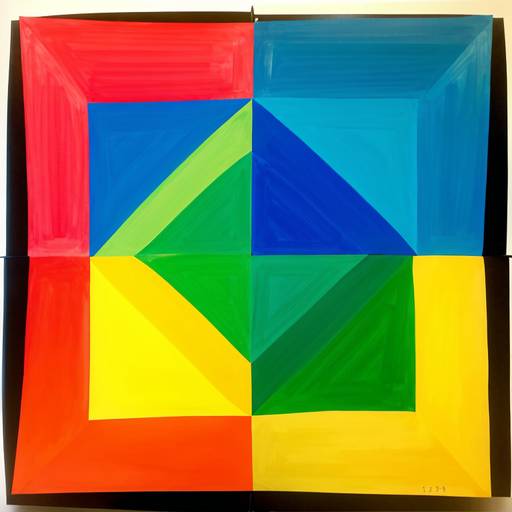
In this Kindergarten art lesson, students will explore the concept of geometric shapes by creating drawings of their favorite animals. The lesson begins with a discussion on animal shapes, allowing students to identify various geometric forms in different animals. Using large sheets of drawing paper, they will outline their chosen animal with basic shapes and then add details and colors using crayons, markers, or colored pencils. The activity encourages creative expression and fine motor skill development. After completing their artwork, students will have the opportunity to share their creations with the class, explaining the shapes they used. The lesson concludes with a group reflection on the artistic process and a gallery display of the students' work. Additionally, extensions are offered for further exploration of shapes through a "Shape Book" project. Overall, this lesson combines art techniques with foundational geometry in an engaging and interactive way.
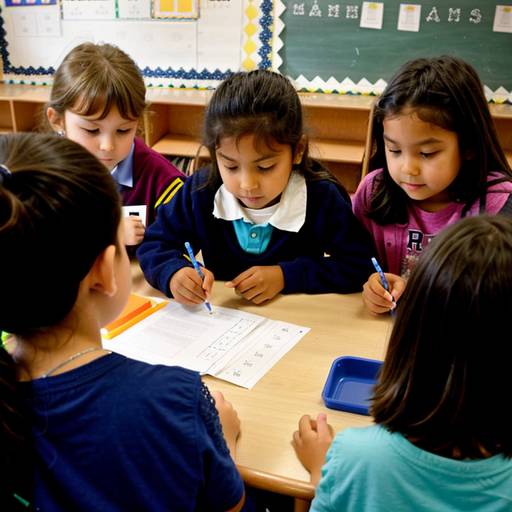
The lesson focuses on introducing first-grade students to basic geometric shapes, both 2D and 3D, through a hands-on exploratory activity. Students will engage in a scavenger hunt around the classroom to identify and categorize various objects that match the shapes studied. They will work in small groups, using a checklist to track their findings and discuss the characteristics of each shape. Following the hunt, students will have the opportunity to share their discoveries with the class, fostering collaboration and communication skills. To reinforce their learning, they will also create a shape collage using cut-out shapes from magazines or colored paper. Assessment will be conducted through observation during activities and a brief oral quiz at the end, ensuring that students understand the properties of the shapes encountered. Extension activities provide additional challenges for those who progress quickly, further enhancing their understanding and engagement with geometric concepts.
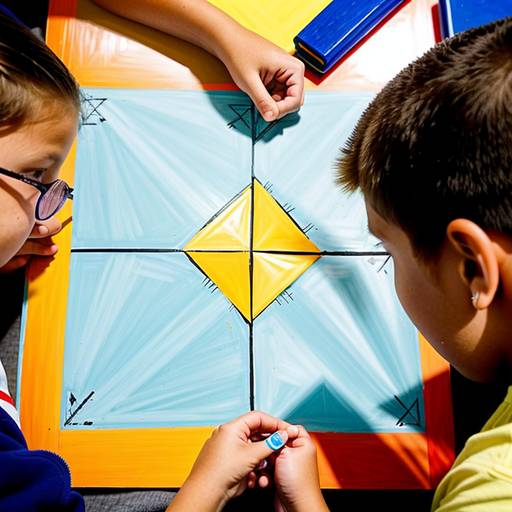
In this 3rd-grade mathematics lesson focused on geometry and symmetry, students will explore various geometric shapes and the concept of symmetry through interactive activities. The session begins with an engaging discussion about shapes found in everyday life, followed by a hands-on group activity where students sort geometric shapes based on their attributes.
Next, students will participate in an experiment using mirrors to help them identify symmetrical objects in the classroom, followed by a creative task where they draw their own symmetrical shapes on construction paper. The lesson concludes with a symmetry coloring worksheet, allowing students to reinforce their understanding of symmetrical shapes.
Throughout the lesson, students will collaborate, share findings, and engage with the concepts of geometry and symmetry, while their understanding will be assessed through observation and completed activities. Extensions are provided for advanced learners and support is available for those who need it, ensuring an inclusive learning environment. The session wraps up with students reflecting on their favorite shapes and what they learned about symmetry.
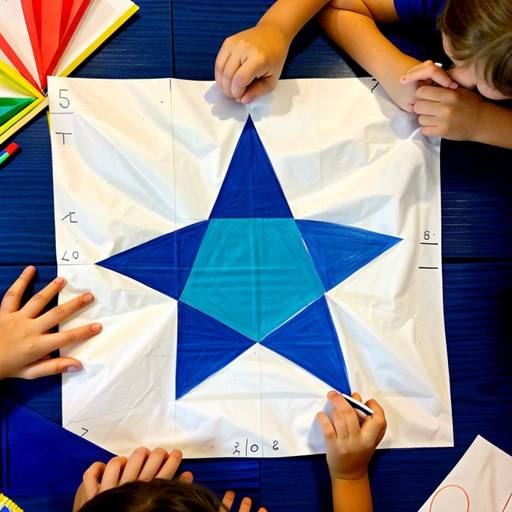
In this 2nd-grade math lesson focused on geometry and patterns, students will explore basic geometric shapes, such as circles, squares, triangles, and rectangles, and their properties. The lesson begins with an engaging discussion about shapes in the classroom and real life, followed by a demonstration of creating simple and complex patterns using those shapes.
Through a "Shape and Pattern Scavenger Hunt," students will work in pairs to identify shapes around their environment, reinforcing their recognition skills. Once they regroup, they will create their own patterns using shape cut-outs on construction paper and describe these patterns to their classmates.
The lesson incorporates hands-on activities to enhance understanding, encourage creativity, and build spatial awareness. Assessment will be based on observation during the scavenger hunt, evaluation of the pattern creations, and a group discussion that allows students to share their learning experiences. Extensions may include introducing advanced concepts of area and perimeter for those who progress quickly. Overall, the lesson promotes an interactive and enjoyable exploration of geometry and patterns within students' surroundings.
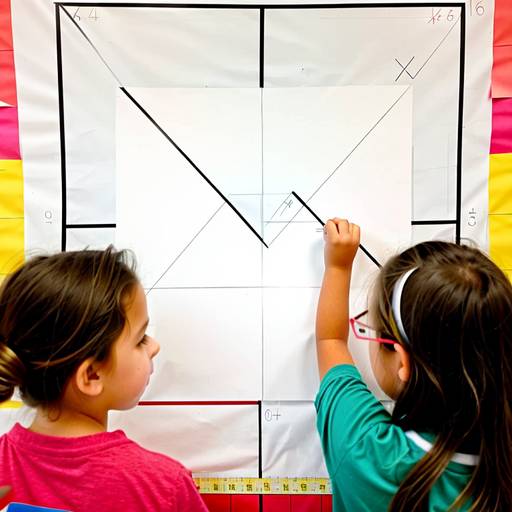
In this 3rd-grade math lesson, students will engage in an exploration of geometric shapes and the concept of perimeter. The lesson will begin with a discussion about various shapes found in their environment, followed by an introduction to the term "perimeter" and its significance as the distance around a shape. Through direct instruction, students will learn how to calculate the perimeter of rectangles, squares, and triangles using the appropriate formulas.
Next, students will partake in a hands-on activity where they measure the sides of cut-out shapes using rulers and string, allowing them to physically experience calculating perimeter through measurement. This collaborative work will be followed by group discussions, during which students will share their findings and insights about the perimeters they calculated.
To reinforce their understanding, students will complete worksheets focused on perimeter calculations. The lesson will conclude with a recap to solidify their learning and, for those ready for a challenge, opportunities for extension activities will be suggested, such as exploring the area of shapes. The overall objective is to provide students with a foundational understanding of geometry and perimeter while encouraging engagement through interactive learning.
In this 60-minute math lesson for 2nd graders, students will explore fundamental concepts in geometry, focusing on identifying and classifying basic 2D and 3D shapes such as circles, triangles, squares, rectangles, cubes, spheres, cylinders, and pyramids.
The lesson begins with an engaging discussion where students share the shapes they see around them, followed by an introduction to the properties of different shapes. An interactive activity encourages students to physically form shapes with their bodies, reinforcing their understanding through movement.
Following this, students participate in a shape scavenger hunt, searching for items in their environment that match specific shapes, and then share their findings with the class. After the scavenger hunt, students create a shape collage by sorting and labeling shapes cut from construction paper, allowing for both creativity and practical application of their learning.
The lesson concludes with a review discussion, where students reflect on what they've learned. Assessments include observation during activities, evaluation of the shape collages, and responses during the discussion to ensure understanding. Adaptations are provided for both students needing additional support and those seeking more advanced challenges. Overall, the lesson promotes active engagement and reinforces geometric concepts in a fun and collaborative manner.