
Filters
Level
Grade
Subject
Subject Area
Subject Topic
Standard(s)
Audience
Keyword
DurationMinutes
Elementary School Lesson Plans

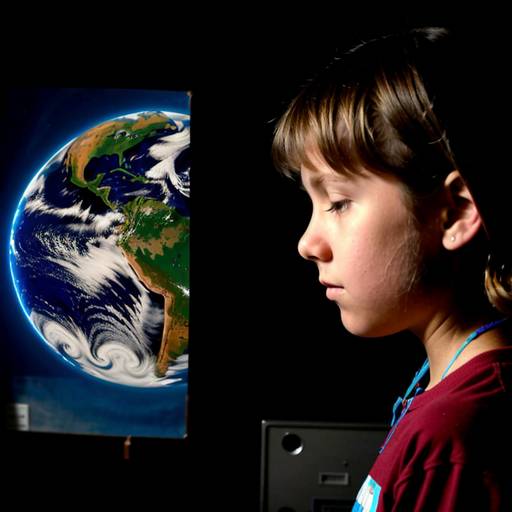
In this 5th-grade science lesson, students will explore the properties and changes of matter, focusing on the three states: solid, liquid, and gas. The lesson begins with a discussion to define matter and its different states, followed by group activities where students observe various materials' physical properties. They will then engage in hands-on experiments to witness changes in states of matter through the melting of ice in warm water and the expansion and contraction of air in balloons. Through these activities, students will learn to identify characteristics of matter and understand how temperature affects state changes. The lesson concludes with a recap of key concepts and a homework assignment where students will find real-life examples of matter changing states at home. Assessment will be based on observations during group work and the quality of the homework assignment. Safety precautions will be emphasized throughout the activities.

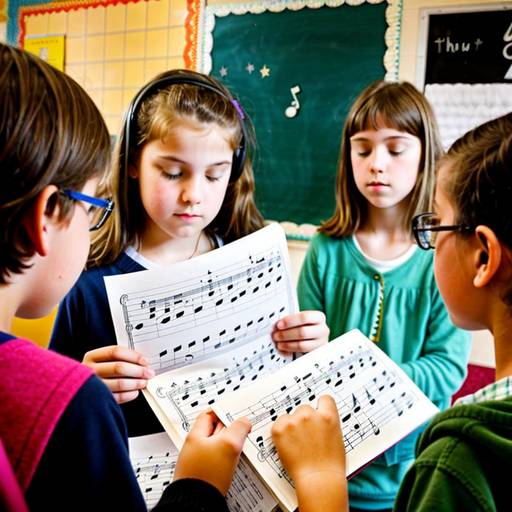
In this 5th-grade music theory lesson, students will learn to identify and name notes on the musical staff, focusing on both treble and bass clefs. The lesson begins with an engaging discussion about the importance of note names in music, followed by interactive instruction on reading notes, including memorable mnemonics for easy recall. Students will then participate in guided practice activities where they match note names to their positions on the staff and identify notes played on a keyboard.
To foster collaboration and creativity, students will be divided into small groups to create simple melodies using selected notes, which they will present to the class. The lesson concludes with a fun "Note Art" activity, where students illustrate their favorite note and write its name, allowing for artistic expression while reinforcing their learning. Throughout the lesson, teachers will assess understanding through observation and participation, ensuring students develop a strong foundation in music notation and theory.

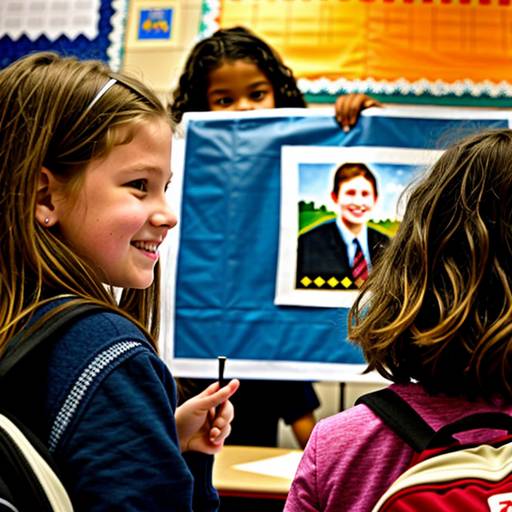
In this 4th-grade language arts lesson, students will learn about narrative writing by exploring its key elements, including characters, setting, plot, conflict, and resolution. The lesson begins with a read-aloud of a picture book or short story to engage students and highlight these components. Following a direct instruction segment, students work in pairs to brainstorm and outline their own story ideas using a graphic organizer. Each student then writes an independent narrative based on their outlines, focusing on descriptive language and clear sequence of events. The lesson concludes with selected students sharing their stories aloud, fostering a supportive environment for peer feedback and reflection on the writing process. Assessment includes observation of participation and review of written narratives to evaluate understanding of narrative elements. Differentiation strategies and extension activities are included to meet diverse student needs and encourage further creativity.

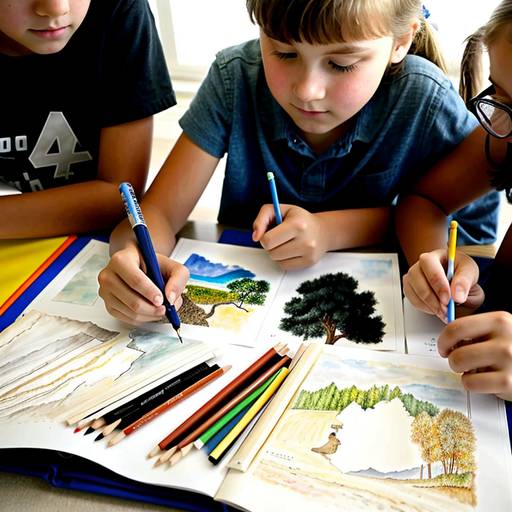
In this 4th-grade art lesson, students will explore the concept of texture through observational drawing techniques. The lesson begins with a discussion about various textures found in nature, prompting students to describe tactile qualities using descriptive language. Following this introduction, the teacher demonstrates how to represent texture in drawing, using techniques such as shading and color application.
Students will then engage in guided practice, selecting a textured object from a collection to sketch, focusing on observation and technique. For the independent practice component, they will create a composite drawing that includes multiple textured elements arranged into a cohesive scene. The lesson concludes with a sharing session, allowing students to present their artwork and reflect on their learning experience regarding texture representation.
Assessment will be based on students' participation, effort, and application of learned techniques. An optional extension activity involves creating texture collages using mixed media to further enhance their artistic expression. Overall, this lesson fosters creativity while strengthening observation and drawing skills.
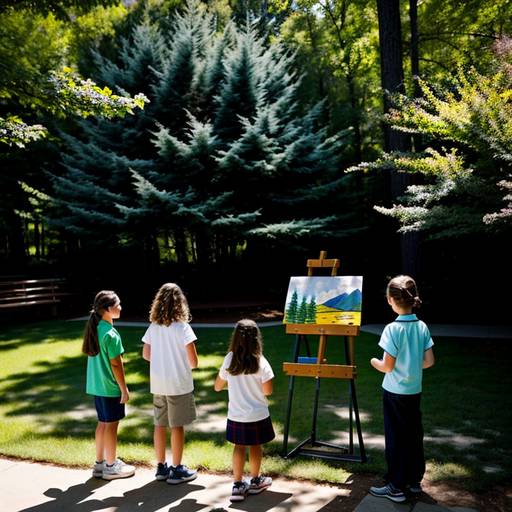
In this 2nd-grade art lesson, students will explore various drawing techniques inspired by the natural world. The lesson begins with a discussion about nature, where students can share their observations of shapes and colors found outside. A demonstration introduces basic drawing skills, such as outlining, shading, and texturing, which students will practice on scrap paper.
Following this, a nature walk allows students to collect small natural objects or observe their surroundings for inspiration. After returning to the classroom, students will create detailed drawings based on their observations, applying the techniques they've learned. They will enhance their artwork using colored pencils, crayons, and watercolor paints.
The lesson concludes with a sharing session, where students can display their creations and discuss their artistic processes. Assessment will focus on their participation, technique application, and ability to communicate their inspiration and experiences. An extension activity encourages students to keep a nature journal for ongoing exploration and creativity related to the outdoors.
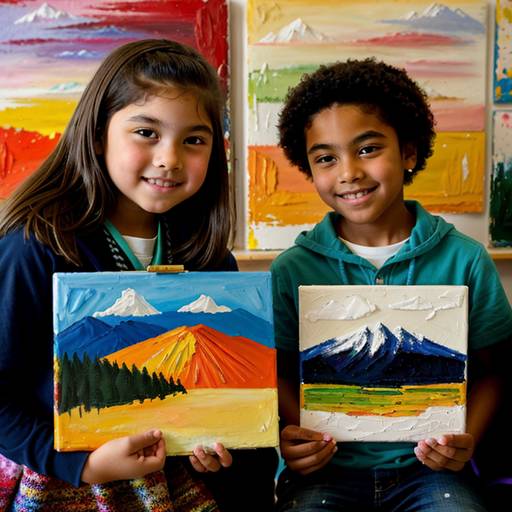
In this 3rd-grade art lesson plan, students will explore painting techniques and the concept of texture through a nature-inspired project. The session begins with a discussion about the colors and textures found in the natural world, encouraging students to connect their experiences with art. After a demonstration showcasing various painting techniques—including brush strokes, sponge application, and the use of natural objects—they will create their own artwork inspired by a scene from nature. Students will practice mixing colors and layering their paints while incorporating different textures into their compositions. The lesson culminates in a sharing session where students present their artwork to the class, reflecting on their creative choices and the techniques they employed. Assessment is based on individual creativity and the effective use of color and texture. Cleanup procedures ensure that the workspace is tidy before transitioning back to other classroom activities.
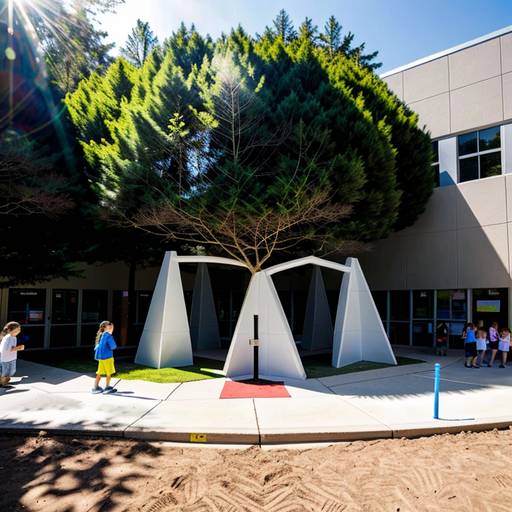
In this 1st-grade art lesson, students will engage in the exploration of sculpture using natural and recyclable materials. The lesson begins with a discussion about what sculpture is, highlighting its differences from other art forms and showcasing examples to inspire creativity. Students will then go outside to collect a variety of materials, emphasizing the shapes and textures found in nature.
After gathering their materials, students will brainstorm and sketch designs for their sculptures, considering how to combine different elements. They will then participate in a hands-on sculpting activity, building their creations using the collected materials and adhering to their designs. Throughout the activity, the teacher will provide guidance and support.
Finally, students will share their finished sculptures with the class, describing their inspiration and the materials used. This reflective and sharing component encourages critical thinking and peer interaction. Assessment will focus on creativity, engagement during the process, and participation in the discussion. Extensions could include organizing an exhibition for the sculptures, exploring other artists who use similar materials, or incorporating writing activities inspired by their creations.
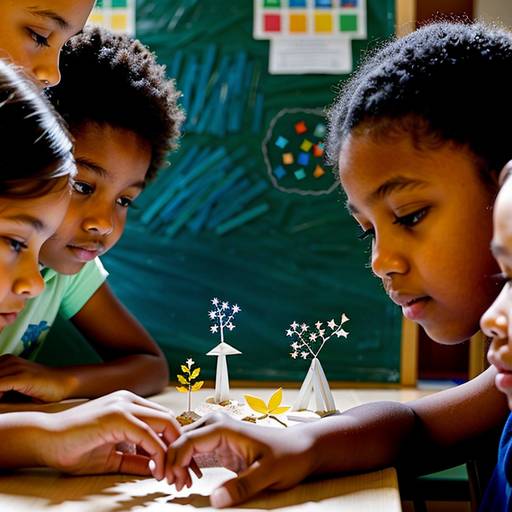
In this 3rd-grade art lesson, students will explore the concept of sculpture by creating their own 3D artworks using natural and organic materials. The lesson begins with a discussion about sculptures and various forms of 3D art, supported by examples to inspire creativity. Following a demonstration of basic sculpting techniques, students will construct their sculptures using materials such as twigs, leaves, stones, and pinecones, encouraged to think about form, balance, and texture.
After their creations are complete, students will share their artworks with the class, explaining their inspirations and material choices. The lesson emphasizes creativity and engagement, with informal assessments based on participation and the use of materials. Extensions include nature walks for gathering additional materials and discussions on famous sculptors, fostering a deeper appreciation for sculpture and natural art forms among students.
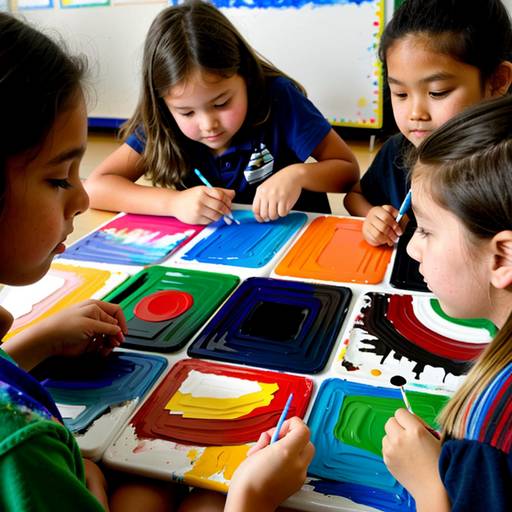
In this 4th-grade art lesson, students will explore various painting techniques and the use of color and texture, drawing inspiration from the natural world. The lesson begins with a discussion about how nature influences art, followed by a demonstration of techniques such as wet-on-wet and dry brushing.
Students will then engage in a color mixing activity to create their own "nature palette" and experiment with natural materials to add texture to their work. For the main project, each student will create an individual painting inspired by a natural scene while incorporating at least two techniques from the demonstration.
The lesson concludes with a gallery walk, where students can share their artwork and reflect on their processes and inspirations. Assessment will be based on their engagement with the techniques and the creativity displayed in their paintings. Extensions include writing a reflection on their artwork and the option for outdoor painting sessions in the future. The lesson promotes artistic expression, collaboration, and appreciation of the beauty found in nature.
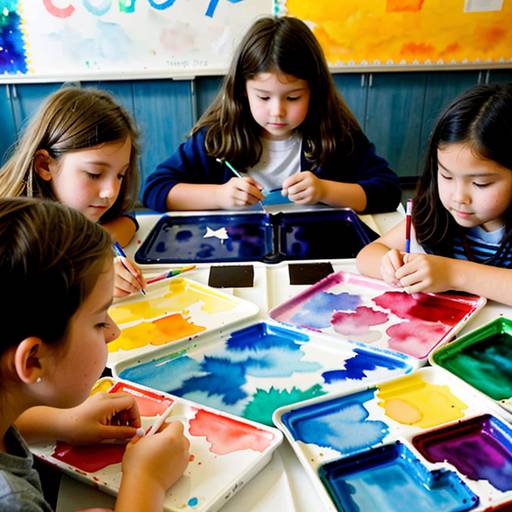
In this 5th-grade art lesson, students will explore the use of watercolor painting techniques inspired by nature. The class will begin with a discussion on watercolor as a medium and an overview of various techniques, including wet-on-wet, wet-on-dry, and methods for creating textures using salt and plastic wrap. Following a demonstration, students will sketch inspiration images from nature on their watercolor paper and apply the techniques learned to create their own artworks. As they work independently, the teacher will provide guidance and support. The lesson will conclude with a mini gallery walk, where students share their creations and the techniques they used. Assessment will focus on the application of techniques, creativity, and participation, with opportunities for extension through additional projects and exploration of famous watercolor artists.