
Filters
Level
Grade
Subject
Subject Area
Subject Topic
Standard(s)
Audience
Keyword
DurationMinutes
Elementary School Lesson Plans

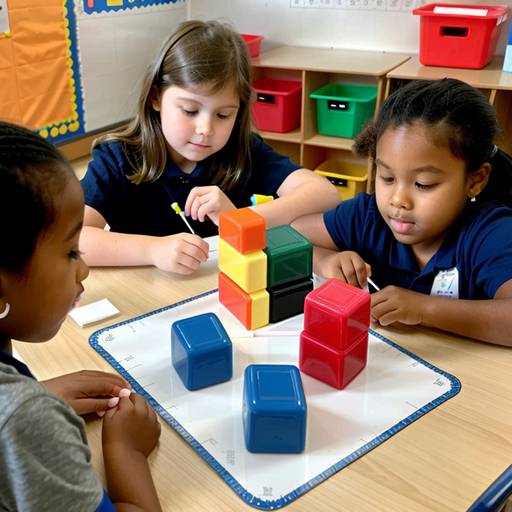
This 2nd-grade math lesson focuses on measurement and volume, engaging students through hands-on activities to explore these concepts. The lesson begins with an introduction to volume, including discussions about its real-life applications and relevant vocabulary. A demonstration showcases how to measure volume using a measuring cup with rice, promoting observational learning.
Students then work in small groups, experimenting with various containers to fill them with rice and record their findings on worksheets. This activity allows them to compare different containers in terms of their capacity. Afterward, groups share their results in a class discussion, emphasizing concepts like "more," "less," and volume-related vocabulary.
To conclude, students create a drawing or poster representing their favorite container and what they learned about its volume. Assessment is based on participation, worksheet accuracy, and the creativity of their final artwork. Extensions are suggested for advanced learners, including challenges with liquid measurements. Overall, the lesson aims to foster a comprehensive understanding of measurement and volume through interactive learning.
In this 2nd-grade math lesson, students will explore the concept of measurement and length using both standard and non-standard units. The lesson begins with a discussion about the importance of measuring and the tools used for it, including rulers and paper clips. Through guided demonstrations, students will learn how to correctly measure various classroom objects, recording their findings. They will then engage in group activities, measuring additional objects and comparing results. Independent practice will follow, where students will measure items at home and reflect on their experiences. The lesson concludes with shares and discussions about their measurements, reinforcing the key concepts learned throughout the session. Assessment will be based on observations during activities and the accuracy of completed worksheets.
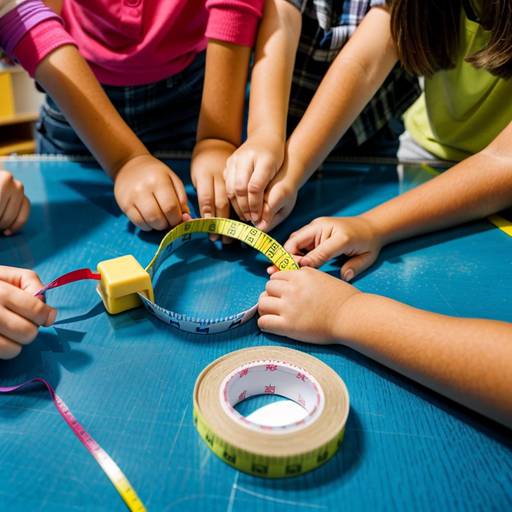
This lesson plan focuses on introducing 1st-grade students to the concepts of measurement and length using hands-on activities. The lesson begins with a discussion about measurement, where students learn key vocabulary such as inches and centimeters. Through guided instruction, students observe demonstrations of using a tape measure or ruler, and they practice measuring various classroom objects with a partner.
They then engage in independent practice by measuring different items depicted in worksheets and recording their findings. The lesson concludes with a classroom discussion where students share their measurements and reflect on their estimating abilities. Assessment occurs through observation during activities and by reviewing the completed worksheets. Additionally, extension activities are provided to challenge students further. Overall, the lesson emphasizes collaborative learning and practical application of measurement skills in an engaging manner.
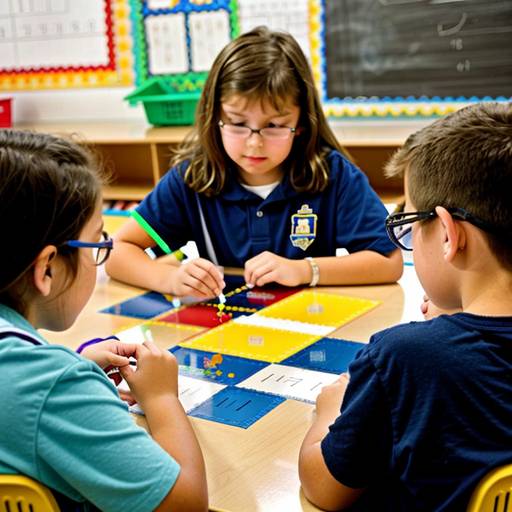
In this 60-minute lesson plan for 3rd graders, students will learn about measurement and time through interactive activities. The lesson begins with a discussion about the importance of knowing how to read a clock, followed by a demonstration on interpreting analog clocks. Students will engage in a guided practice session where they work in pairs to tell time and measure various classroom objects using rulers and measuring tapes.
For independent practice, they will complete a worksheet that includes both clock-reading and measurement tasks. To conclude, the class will review key concepts and share their learning experiences. Assessment will focus on students’ abilities to read clocks accurately and measure objects correctly. The lesson also provides opportunities for extensions and modifications to address different learning needs, as well as a home connection to reinforce skills outside of the classroom.
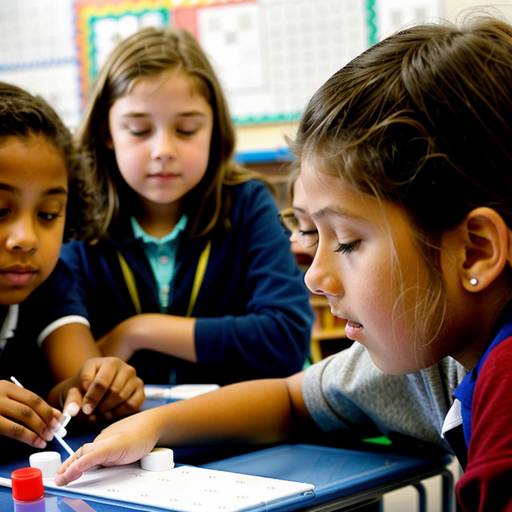
This 4th-grade math lesson focuses on measurement and time, aiming to help students understand how to measure lengths using standard units like inches and centimeters, as well as how to read and interpret time on both analog and digital clocks. The lesson begins with a discussion to activate prior knowledge, followed by direct instruction where the teacher demonstrates measurement techniques and clock reading. Students then engage in guided practice, measuring various classroom objects in small groups and converting given times between analog and digital formats.
Afterward, learners complete a quiz to assess their understanding independently. The lesson concludes with a review of key concepts and a discussion where students can share their experiences. Extensions and adaptations are included to challenge advanced learners and support those needing additional help. Overall, this lesson is designed to provide hands-on activities that enhance students' skills in measurement and time, meeting critical math standards.
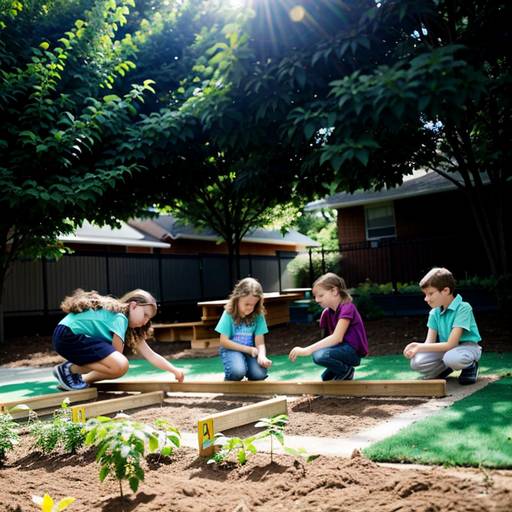
In this lesson, 3rd-grade students will explore the concepts of measurement and perimeter through a hands-on approach related to designing a garden layout. The lesson begins with an introduction to perimeter, emphasizing its real-world applications in everyday life. Students will learn how to measure lengths and widths using rulers and yardsticks, and they will be introduced to the formulas for calculating the perimeter of squares and rectangles.
Guided practice will involve small groups measuring a pre-drawn garden layout on graph paper and calculating its perimeter collaboratively. Following this, students will independently complete worksheets to practice finding the perimeter of various geometric shapes. For the hands-on activity, students will measure real garden spaces or use a digital design to create their own garden, calculating the necessary perimeter for fencing.
The lesson culminates with group presentations where students showcase their designs and perimeter calculations, fostering communication skills and reinforcing their understanding of the topic. Assessment will include observation of group interactions, review of worksheets, and a reflective exit ticket. Differentiation strategies will support various learner needs, ensuring an inclusive environment for all students.
In this Kindergarten mathematics lesson, students will explore the concepts of measurement and time. The lesson begins with an introductory discussion about what measuring means and the importance of time in our daily lives. Students are then divided into small groups to engage in a hands-on activity where they use non-standard measurement tools, such as blocks and paper clips, to measure various classroom objects, fostering collaboration and critical thinking.
Following this, the class reconvenes for a group discussion, allowing students to share their findings while introducing vocabulary related to measurement. The next activity focuses on telling time, where students interact with a large paper clock to learn about the hour hand and the minute hand. They practice reading the time on an analog clock through worksheets that reinforce their understanding.
The lesson concludes with a review of both measurement and time, encouraging students to share their learning experiences with family members and apply these skills at home. Assessment is conducted through observation during group activities and the evaluation of completed worksheets, ensuring students grasp these foundational mathematical concepts. Extensions to the lesson provide opportunities for further exploration of measurement and intervals in future classes.
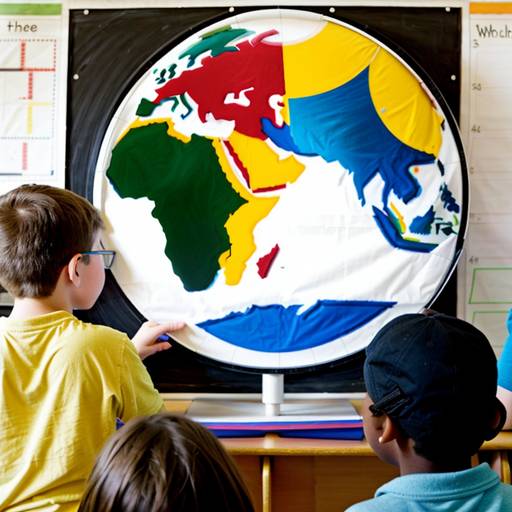
In this engaging lesson designed for 3rd graders, students explore the concepts of measurement related to time and length. They will learn to use various tools such as rulers and stopwatches to measure items and track durations. The lesson begins with a discussion on the importance of measurement in everyday life, followed by hands-on activities in small groups where students measure classroom objects in both inches and centimeters.
Next, students practice telling time using analog clocks and engage in a fun game to reinforce their skills. For a practical application, students choose physical tasks, measure the time it takes to complete them with a stopwatch, and record the results on a chart. The lesson concludes with a reflection on how the skills learned can be applied outside the classroom.
Assessment is based on observation during activities and the accuracy of recorded measurements. Differentiation strategies ensure that all learners can participate and succeed, while extensions offer opportunities for further exploration of measurement concepts. This interactive approach fosters both understanding and curiosity about measurement in the students’ daily lives.
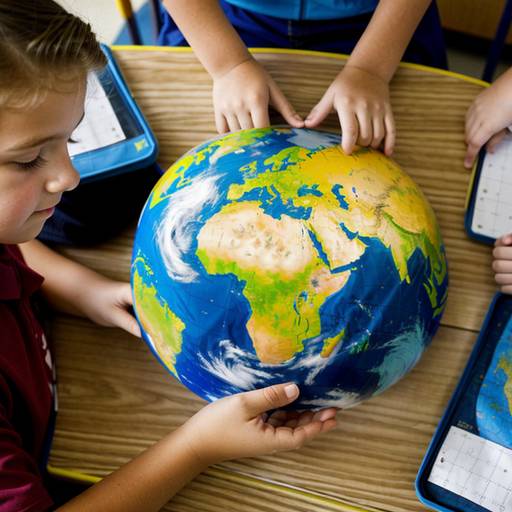
In this 3rd-grade math lesson, students will explore the concepts of measurement and perimeter. They will begin with a discussion to define perimeter and learn how to measure lengths using rulers and measuring tapes. The teacher will demonstrate how to calculate the perimeter of various shapes, such as rectangles and squares, using specific formulas.
Students will then engage in guided practice with worksheets that include different shapes to find their perimeters in pairs. Following this, they will participate in a hands-on activity where they measure classroom objects and calculate their perimeters, reinforcing their understanding through real-world application.
The lesson will conclude with a group discussion where students share their measurements and findings. Student understanding will be assessed through observation and evaluated worksheets. Extensions and additional support will be available to accommodate varying skill levels, ensuring all students grasp the concepts of measurement and perimeter effectively.
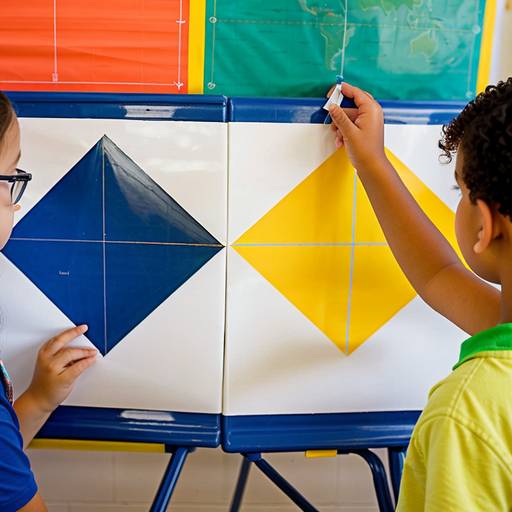
In this 3rd-grade math lesson, students will explore the world of 2D shapes and learn about perimeter. The class will begin with discussions about recognizable shapes and the concept of perimeter as the distance around these shapes. Key formulas for calculating the perimeter of squares, rectangles, and triangles will be introduced through direct instruction.
Following this, students will engage in guided practice by measuring the sides of pre-cut shape templates and calculating their perimeters in pairs. Independent practice will involve completing worksheets with various shapes to reinforce their learning.
The closing activity will encourage student participation as they share their findings and discuss any challenges. Homework will entail measuring three household items to calculate their perimeters using string or yarn. Assessment will be through observation, worksheet completion, and homework assignments, while differentiation strategies will support various learning needs. Overall, the lesson fosters an understanding of geometry and practical measuring skills, enhancing students' ability to recognize and calculate perimeter in everyday life.