
Filters
Level
Grade
Subject
Subject Area
Subject Topic
Standard(s)
Audience
Keyword
DurationMinutes
5th Grade Robotics Lesson Plans
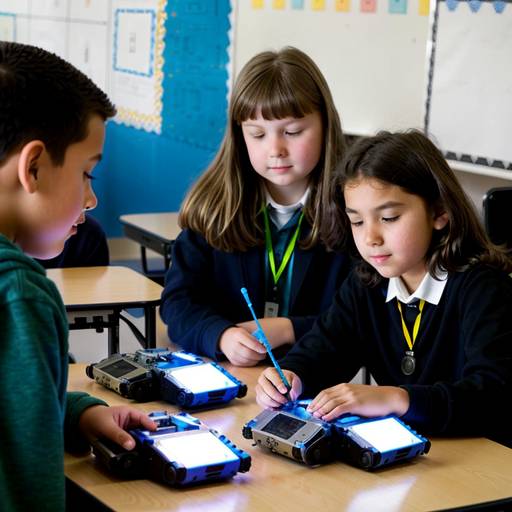
In this 5th-grade technology lesson, students are introduced to the fundamentals of robotics and robot engineering. The lesson spans two class periods and focuses on understanding the components and functions of robots. In the first class, students watch a video about various types of robots, engage in discussions about their applications, and collaborate in small groups to brainstorm problems that a robot could help solve. Each group designs a robot on paper, detailing its features and functions.
In the second class, students build their robots using available kits and programming software, focusing on coding basic functions. After constructing their robots, groups present their designs and demonstrate their functionality to the class, allowing for peer feedback and discussion. Assessment is based on creativity, teamwork, and the robot's performance during presentations.
The lesson encourages collaboration, creativity, and technical skills, while also allowing for extensions like advanced programming concepts. A reflection activity prompts students to consider their learning experiences, challenges faced, and their enjoyment of the project, ultimately helping teachers gauge student understanding and inform future lessons.
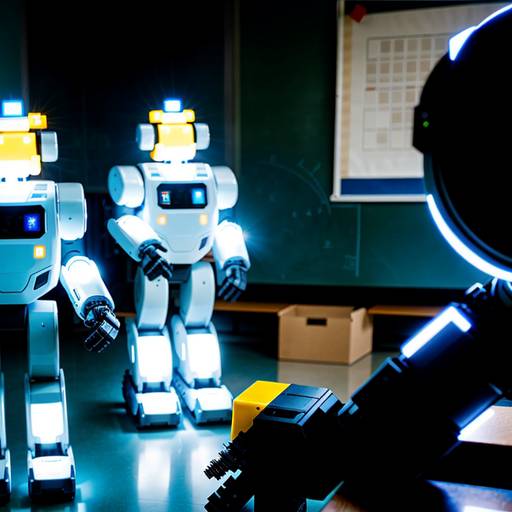
In this 5th-grade technology lesson, students explore the world of robotics, focusing on the basic components, functions, and real-world applications of robots across various industries. The first class begins with a warm-up activity where students discuss what they think a robot is, followed by a multimedia presentation highlighting different types of robots and their uses, such as in healthcare and manufacturing.
Students are then grouped to research specific applications of robots, preparing brief presentations to share their findings with the class. In the second class, groups present their research and participate in a hands-on design activity, where they create a model of a robot that serves a particular function related to their research. Each group explains their robot's design and potential applications, fostering collaboration and creativity.
Finally, students reflect on their learning experience, considering the impact of robotics on the future. Assessment focuses on participation, the quality of presentations, and the creativity demonstrated in the robot design. This lesson encourages critical thinking and collaboration while igniting curiosity about technology and innovation.