
Filters
Level
Grade
Subject
Subject Area
Subject Topic
Standard(s)
Audience
Keyword
DurationMinutes
5th Grade Coding Projects Lesson Plans
In this 5th-grade technology lesson, students will explore the fundamentals of coding through a hands-on, interactive approach. The lesson begins with a discussion about coding's significance, followed by an introduction to key concepts such as sequences, loops, and conditionals, supplemented by visual aids. Students will then familiarize themselves with a block-based programming platform, where they will create their own interactive projects in pairs. This activity encourages collaboration and practical application of the coding concepts learned. As the lesson concludes, students will share their projects with their classmates, fostering a sense of community and encouraging feedback. The lesson promotes problem-solving skills while igniting interest in computer science, with options for further exploration in future sessions.
This 5th-grade technology lesson plan introduces students to the basics of coding through engaging activities and hands-on projects. Over two class periods, students will learn key concepts such as sequences, loops, and algorithms using a block-based coding platform like Scratch or Code.org. The lesson begins with a discussion about the importance of coding and a tutorial to familiarize students with the coding interface.
During the second class, students will work in pairs or small groups to brainstorm and create their own coding projects, such as an animated story, game, or interactive art piece, utilizing the concepts they have learned. They will follow a structured project template and present their final creations to the class, allowing them to share their thought processes and coding choices.
Assessment will focus on participation, the completed projects, and the quality of student presentations. Extensions for advanced learners, as well as modifications for those needing additional support, ensure that all students can engage meaningfully with the material. By the end of the lesson, students will have developed foundational coding skills alongside creativity and problem-solving abilities.
This lesson plan for 5th-grade students introduces them to coding basics through engaging, hands-on activities. In the first session, students learn fundamental coding concepts, including key vocabulary such as algorithm, sequence, loop, and condition, while exploring the Scratch programming platform. Under guided practice, they create simple animations, fostering both understanding and creativity.
In the second session, students build on their skills by designing interactive stories or simple games. They begin with brainstorming and storyboarding their ideas, then transition into hands-on coding, where they develop their projects based on their plans. Throughout the lesson, students share their creations with peers for feedback, emphasizing collaboration and reflection. The assessment is based on participation, creativity, and the ability to articulate their coding process. This lesson aims to provide students with foundational coding knowledge while encouraging innovative thinking and problem-solving skills.
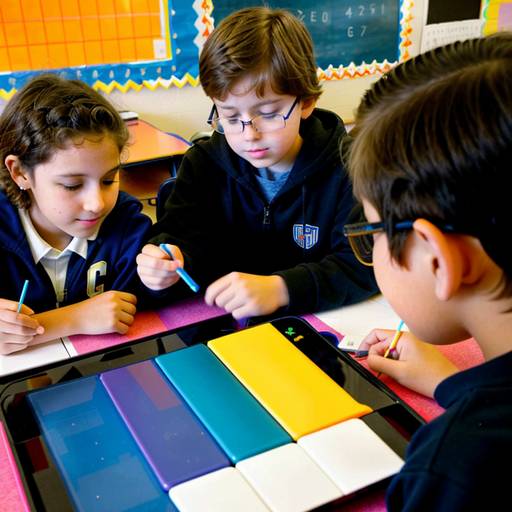
The lesson begins with an introduction to key coding concepts such as algorithms, loops, and variables, fostering an understanding of why coding is essential in today's technology-driven world. A live demonstration using the Scratch platform guides students through creating a simple animation, highlighting the fundamental functions and commands available.
Following the demonstration, students participate in a guided activity where they work in pairs to complete their first coding project, practicing the concepts they learned. Once they finish, they brainstorm and outline their unique project ideas on worksheets, encouraging them to think creatively about their coding endeavors.
The session concludes with a recap and an invitation for a few pairs to share their project ideas with the class, reinforcing collaboration and communication skills. Assessment focuses on student engagement and the completion of their worksheets, while extensions offer challenges for early finishers. Overall, the lesson aims to combine technical skills with creativity, preparing students for future coding experiences.