
Filters
Level
Grade
Subject
Subject Area
Subject Topic
Standard(s)
Audience
Keyword
DurationMinutes
5th Grade Community Lesson Plans

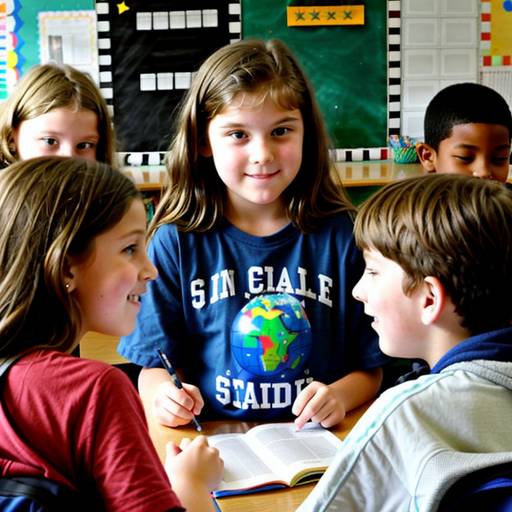
In this 5th-grade social studies lesson, students will explore the concept of community and the diversity present within it. The lesson begins with a class discussion to define community and discuss its various elements, emphasizing the importance of diversity. Students will then work in small groups to research cultures from different continents, creating informative posters that highlight aspects such as flags, traditional clothing, food, and cultural practices. Each group will present their findings to the class, fostering engagement and encouraging questions.
Next, the classroom transforms into a culture fair, where students can visit each group's station and fill out a "Culture Passport" with interesting facts learned from their peers. Optional guest speakers from local cultural communities may also be invited to enhance the learning experience. The lesson concludes with reflective writing and a class discussion on the importance of understanding and celebrating diversity in building a strong community. Assessments will focus on group participation, the quality of the posters, and insights shared in the cultural passports. Extensions and adaptations are provided to cater to the diverse needs of learners and to deepen their engagement with the topic.
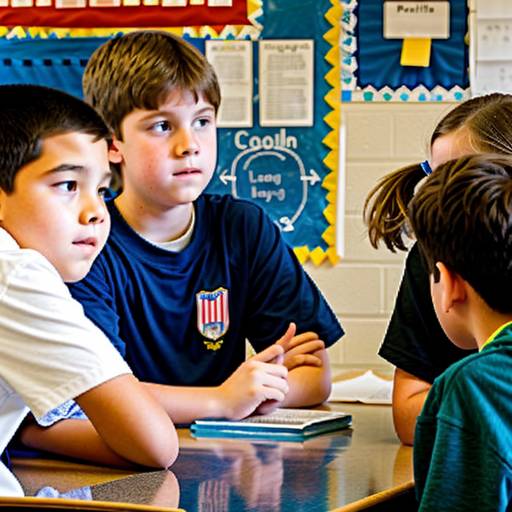
In this 5th-grade social studies lesson, students will explore the concept of community and the importance of rules and responsibilities within it. The lesson begins with a warm-up discussion to define what a community is, followed by a group brainstorm on community rules that promote safety and organization. The teacher will introduce the various types of rules, including local laws, school regulations, and household expectations, while emphasizing the responsibilities that come with following these rules.
Students will engage in a guided group activity to create a list of essential community rules on sticky notes, which they will then share with the class. Following this collaborative effort, each student will work individually or in pairs to design a "Community Rules" poster that illustrates key rules and their importance.
As the lesson concludes, students will reflect on the significance of rules and the feelings associated with following or breaking them. For homework, they will write a paragraph about a rule they adhere to at home and its impact on their family. Assessment will be based on participation, the creativity of the poster, and the written assignment. This lesson aims to foster teamwork, creativity, and public speaking skills in a supportive environment, while deepening students' understanding of community dynamics.
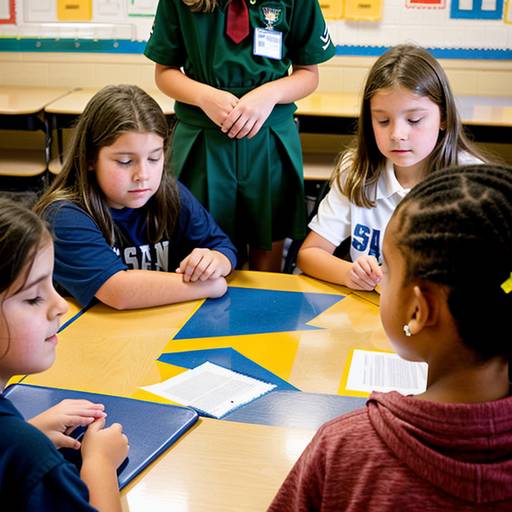
In this fifth-grade social studies lesson, students will explore the concept of community and the various roles individuals play within it. The lesson begins with a class discussion about what defines a community, followed by small group activities where students examine specific roles, such as police officers, teachers, and firefighters, and discuss their responsibilities and contributions. Each group will present their findings to the class, fostering collaboration and communication skills.
Students will then create a visual community collage that highlights the different roles, promoting creativity and teamwork. The lesson concludes with a reflective discussion, encouraging students to share their insights on the importance of community roles and how they can contribute positively to their own communities. Assessment will include observing group participation, reviewing the collages, and collecting exit tickets that capture students' reflections. Extension activities, such as field trips and service projects, will further enhance their understanding and engagement with the community.
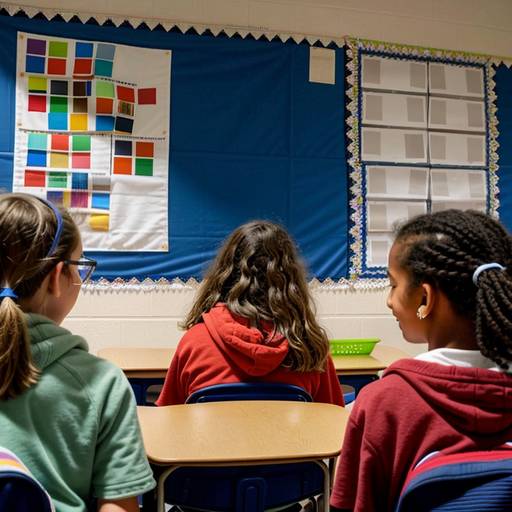
This lesson plan for 5th-grade social studies focuses on exploring the concepts of community and diversity. Students will start by discussing what constitutes a community and the unique characteristics that make theirs special. They will learn about diversity, encompassing various cultures, ethnicities, and traditions, through small group activities. Each group will research and create a mini-poster representing a specific aspect of diversity within their community, such as language, religion, or traditions. Following the creation of their posters, students will engage in a gallery walk to share their findings and learn from one another.
The lesson culminates in a class discussion, allowing students to reflect on the significance of diversity and how it enriches their community. Assessment will take place through participation, the content of their group work, and a written reflection on what they learned about diversity. Extensions of the lesson include planning a “Diversity Day” for students to share cultural artifacts and experiences, as well as creating a class mural to visually represent their collective cultural backgrounds. This approach aims to foster inclusivity and cultural awareness among students, highlighting the value of diversity in their lives.
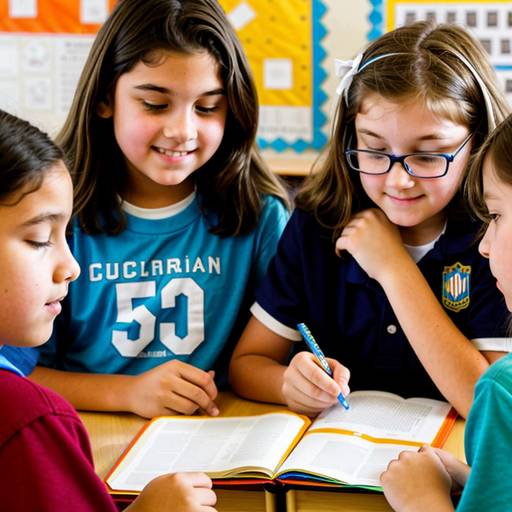
In this 5th-grade social studies lesson, students will explore the concept of community by identifying various roles and responsibilities within it. The lesson begins with a discussion on what constitutes a community and the roles individuals play, followed by a collaborative brainstorming session where students work in small groups to list community roles. After sharing their ideas with the class, students will engage in a discussion highlighting the responsibilities associated with each role.
To reinforce their learning, students will create a visual mural that represents selected community roles, complete with illustrations and descriptions. Groups will present their murals, fostering teamwork and communication skills. The lesson concludes with an assessment of participation and creativity, and opportunities for further engagement through guest speakers or community service projects. This lesson aims to deepen students' understanding of the importance of various roles in the functioning of their community.
In this 5th-grade social studies lesson, students will explore the various roles within their community and the responsibilities associated with those roles. The lesson begins with a discussion about what a community is, followed by an examination of important community members and their contributions. Students will work in small groups to select a specific community role from provided role cards and brainstorm its associated responsibilities. Each group will create a poster highlighting their chosen role, which they will present to the class. The lesson concludes with a reflective discussion about the importance of these roles and how students can actively engage in their community as responsible citizens. Assessment will be based on group presentations and participation in discussions, with opportunities for extensions and differentiation to support all learners.
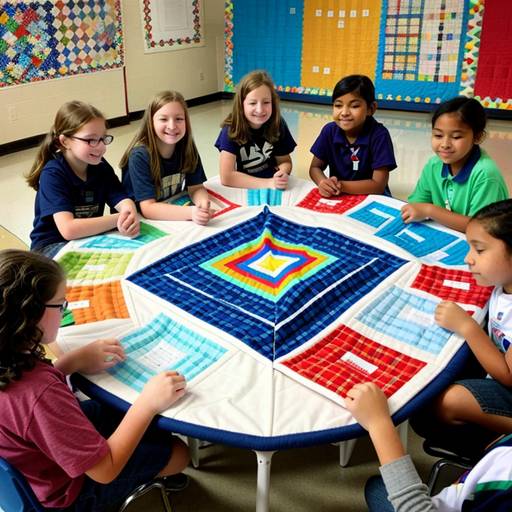
In this 5th-grade social studies lesson, students will explore the concepts of community and diversity. The lesson is designed to help students understand how different backgrounds, cultures, and traditions contribute to the richness of their classroom community.
During the first class, students will engage in discussions about what constitutes a community and how diversity enhances it. They will complete a worksheet that encourages them to reflect on their own cultural backgrounds and share their findings with a partner, fostering mutual understanding and appreciation.
In the second class, students will create individual quilt squares that represent their unique identities and cultural contributions. These squares will be displayed together to form a collaborative community quilt, symbolizing the diversity within the classroom. Students will present their designs and explain their significance, encouraging self-expression and collective reflection.
By the end of the lesson sequence, students will have gained insights into the value of diversity in their community and will have creatively participated in a project that celebrates their individual and shared identities. The lesson culminates in a reflection session on the completed quilt, highlighting the importance of appreciating and valuing differences among classmates. An extension activity can further enhance community connections by inviting family members to participate in a cultural sharing event.
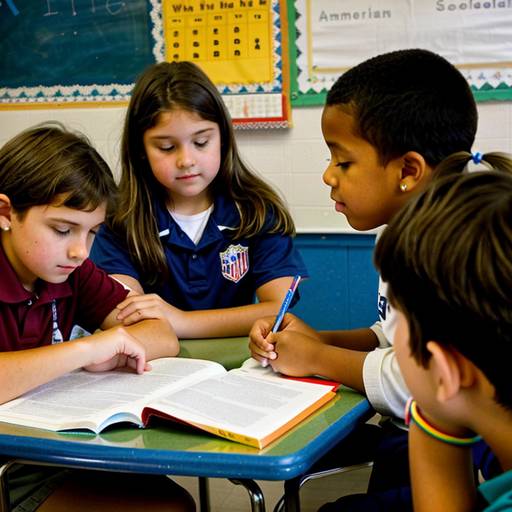
This lesson plan for 5th-grade social studies focuses on helping students understand the significance of rules within a community. Throughout the hour, students will engage in discussions about the purpose of rules and explore specific examples from their own lives, such as traffic regulations and school guidelines. By watching a video or slideshow, they will learn how rules contribute to safety and order.
Students will work in small groups to brainstorm, share, and identify common community rules on sticky notes. They will then collaboratively create a "Community Rules Poster" that features essential rules, illustrations, and explanations. Each group will present their poster to the class, fostering a collaborative learning environment. The lesson wraps up with a reflective writing task, where students express the importance of a particular rule to them personally. Assessment will be based on participation, creativity in the poster, and the completion of the writing assignment. Extensions include community interviews and observation walks to deepen students' understanding of rules in their neighborhoods.
This 5th-grade social studies lesson focuses on helping students understand the components of their community and the significance of rules for maintaining a safe and functional environment. The lesson begins with students collaboratively defining what a community means to them and discussing the roles various individuals play within it. In small groups, they identify key community roles and the corresponding rules that support those roles.
Following this discussion, students will participate in a hands-on activity, where they will write down roles and rules on sticky notes and create a visual representation in pairs. Each pair will develop a poster that illustrates a specific role in the community along with its associated rule.
The lesson closes with presentations of the posters, allowing students to share their understanding and reflect on how rules contribute to the safety and functionality of their community. Assessment will be based on participation in discussions, the quality of group projects, and a brief exit ticket reflecting their learning. Differentiation strategies will ensure that all students, regardless of their learning styles, are engaged and supported throughout the lesson. Follow-up activities will encourage exploration of their immediate environments, reinforcing their newly acquired knowledge.
In this 5th-grade social studies lesson, students will explore the concept of community and the essential rules that help maintain a safe and respectful environment. The lesson begins with an engaging discussion about what makes a community function effectively, leading to an understanding of the necessity of rules. Students will then participate in a brainstorming activity, identifying important rules for their own communities.
In small groups, they will create posters illustrating their selected rules, complete with drawings and explanations. Each group will present their poster to the class, fostering collaboration and public speaking skills. The lesson culminates in a class discussion reflecting on the importance of rules and a personal commitment activity where students write down one rule they pledge to follow. Assessment will focus on participation in discussions, creativity in poster creation, and understanding through presentations. Optional extension activities include inviting community leaders for discussions or creating a formal pledge.