
Filters
Level
Grade
Subject
Subject Area
Subject Topic
Standard(s)
Audience
Keyword
DurationMinutes
5th Grade Music History Lesson Plans

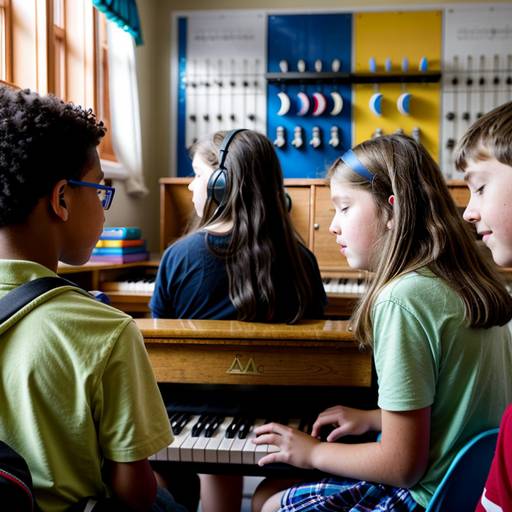
In this engaging music history lesson for 5th-grade students, participants will explore various musical styles from different historical periods and understand their cultural significance. The lesson begins with auditory examples from Baroque, Jazz, and Rock music, prompting students to express their emotional reactions and discuss the evolution of music.
Following an overview, students will rotate through interactive "musical style stations," where they will listen to audio samples, learn key characteristics of each era from visual aids, and participate in hands-on activities related to those styles. After regrouping for a discussion, students will form small groups to create presentations that highlight a specific musical era—incorporating audio examples, key features, and a creative skit or song.
The lesson concludes with group presentations, encouraging peer engagement, collaboration, and creativity. Assessment will focus on participation and the depth of understanding demonstrated during discussions and presentations, while a follow-up activity invites students to bring in a personal favorite song to share in future lessons.
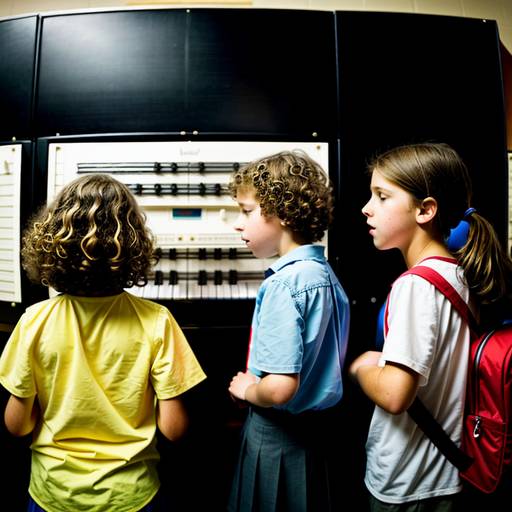
This 5th-grade music lesson focuses on exploring the evolution of music through various historical periods, including the Medieval, Renaissance, Baroque, Classical, Romantic, and Contemporary eras. The lesson begins with an engaging audio guessing game to pique student interest, followed by a presentation that outlines the characteristics, key composers, and instruments associated with each period. Students participate in a listening exercise to analyze pieces from different eras, discussing their observations and feelings about the music.
For the main activity, students work in small groups to create a visual timeline, summarizing their assigned music periods, highlighting notable composers, and illustrating key elements. Each group presents their section to the class, fostering discussion and collaborative learning. The lesson concludes with a recap of the key concepts, emphasizing the relevance of historical music to contemporary life, with opportunities for extension such as homework and a family music appreciation night. Assessment focuses on participation, the completed timeline project, and optional quizzes. Students engage creatively and collaboratively while developing a deeper understanding of music history.