
Filters
Level
Grade
Subject
Subject Area
Subject Topic
Standard(s)
Audience
Keyword
DurationMinutes
5th Grade Music History Lesson Plans


This 5th-grade music lesson focuses on exploring music history and various musical styles. The objectives include helping students understand key musical genres, their historical contexts, and the evolution of music over time, while encouraging collaborative learning.
The lesson begins with an engaging discussion about the significance of music, followed by an overview of major musical styles such as Classical, Jazz, Rock, Hip-Hop, and Folk. Students listen to audio clips of each genre to identify their distinct characteristics.
In a group activity, students research specific musical styles, create a timeline, and prepare presentations highlighting key characteristics, significant artists, and visual representations of their assigned genre. Following the presentations, students listen to additional music samples and discuss how different styles influence and reflect cultural differences.
Concluding the lesson, students receive a homework assignment where they select a musical style that resonates with them and write a brief reflection. The lesson emphasizes participation, understanding, and personal connection to musical history while allowing room for differentiation and extension based on students' needs.
This 5th-grade music lesson focuses on music history and significant composers from various musical periods, including Baroque, Classical, Romantic, and Modern. Students will engage in discussions about the importance of composers and how they influenced music over time. The class is divided into groups, with each group researching and presenting a specific composer, highlighting their background, key works, and contributions to music. Listening activities will allow students to identify elements of each composer's style, while a creative project will enable them to create posters showcasing their favorite composer and piece. The lesson wraps up with students sharing their projects in small groups, reinforcing their learning and personal connections to the material. Assessment will include participation in discussions, the creativity of the poster projects, and a short reflection assignment on their favorite composer. Extensions encourage further exploration of composers and musical concepts.

In this 5th Grade music lesson, students will explore the evolution of music through key historical periods: Baroque, Classical, Romantic, and Contemporary. The class will begin with an introductory discussion on music and its development over time. Students will receive a brief overview of each period, focusing on defining characteristics, notable composers, and their distinct styles.
Following this, students will engage in guided listening activities with audio examples from each period, filling out a listening guide that prompts them to analyze emotions, instrumentation, and connections to other music they know.
In the latter part of the lesson, students will have the opportunity to create their own musical phrase or composition inspired by one of the styles studied, using classroom instruments or composition software. The lesson will conclude with students sharing their compositions and reflecting on the influence of different musical styles.
Assessment will involve participation in discussions, completion of the listening guide, and creativity displayed in the composition activity. The lesson also offers extensions such as creating a timeline of musical periods and researching a composer to present to the class. This engaging lesson blends historical context, critical listening, and creative expression, fostering a deeper appreciation for music's rich history.
In this engaging 5th-grade music lesson, students will delve into various musical styles and their historical significance. They will explore genres such as Classical, Jazz, Rock, and Folk through listening activities that highlight key instruments, emotions, and influential composers.
After an introduction to the concept of musical styles, students will work in small groups to research their assigned genre, focusing on its characteristics, notable artists, and historical context. Each group will prepare a brief presentation to share their discoveries with the class.
Additionally, students will create a visual representation of their musical style, such as a poster or a song, to enhance their understanding and creativity. The lesson concludes with group presentations, fostering discussion about music's role in reflecting society and its evolution over time. Students will be assessed on participation, collaboration, and the quality of their presentations. Extensions and adaptations are provided to cater to diverse learning needs, ensuring an inclusive and enriching experience.
In this engaging 5th-grade music lesson, students will explore the evolution of music through various historical periods, including Baroque, Classical, Romantic, and 20th Century. The lesson begins with a discussion on the significance of music and a visual overview of the different eras. Students will listen to audio clips representative of each period and participate in group discussions to identify key characteristics and notable composers.
Following the listening activity, students will work in small groups to create collaborative timelines that outline the distinctive features of each music period, highlighting important composers and representative musical works. Each group will then present their timeline to the class, fostering a collaborative learning environment.
The lesson concludes with a recap of the key concepts learned and an exit ticket activity, allowing students to reflect on one new fact and any remaining questions about music history. Assessment will be based on group participation, creativity in the timeline presentations, and understanding demonstrated through the exit tickets. Optional extensions encourage further exploration of specific composers and contemporary connections to classical music.
In this 5th-grade music lesson, students will explore the lives and contributions of famous composers from various musical eras, including Baroque, Classical, Romantic, and 20th Century. The class begins with an engaging discussion and audio clips that introduce students to key composers such as Johann Sebastian Bach, Wolfgang Amadeus Mozart, Ludwig van Beethoven, and Igor Stravinsky. Students will then work in small groups to research a specific composer, creating a presentation or poster that highlights the composer's significant contributions, interesting facts, and visual representations of their work. Groups will present their projects to the class, fostering collaboration and public speaking skills. The lesson concludes with a summary of what was learned about the evolution of music and its cultural significance, along with an optional homework assignment to further explore a piece of music from one of the composers. Assessment will focus on group participation and the quality of presentations, while extension activities will deepen students' understanding of music history.
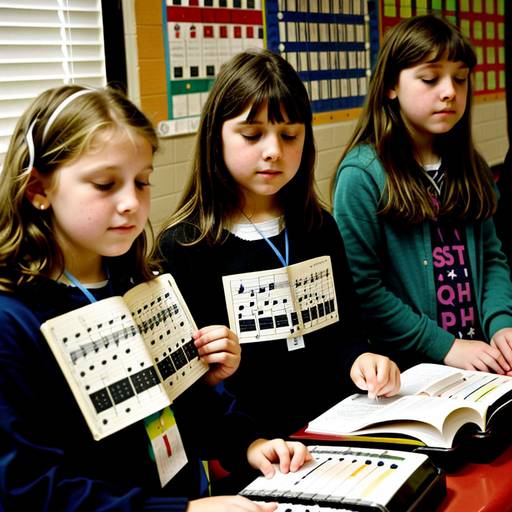
In this 5th-grade music history lesson, students explore the lives and contributions of three influential composers: Johann Sebastian Bach, Ludwig van Beethoven, and Duke Ellington. The lesson begins with a class discussion to gauge prior knowledge about composers and their significance in music. Students then rotate through listening stations where they listen to audio clips of each composer's work while reviewing profiles that provide historical context and interesting facts. Following this, they work in small groups to create charts summarizing their assigned composer’s contributions, musical style, and fun facts, which they later present to the class.
For the final activity, students are encouraged to draw inspiration from what they’ve learned to create their own short melodies, either through vocal expression or with available instruments. The lesson concludes with a sharing session, promoting creativity and collaborative learning. Assessment is based on participation, group work, and the original melody creation. Additional extensions are suggested for further exploration of composers and musical movements. The activities are designed to foster an understanding of music history and appreciation for the lasting influence of these composers on modern music.

This lesson plan for 5th-grade music students focuses on exploring key music periods in history, specifically the Baroque, Classical, Romantic, and 20th Century eras. The lesson begins with a brief discussion to assess students’ prior knowledge and interest in music. It then presents the defining characteristics of each music period through direct instruction complemented by audio clips from notable composers such as Bach, Mozart, Tchaikovsky, and Duke Ellington.
Following the listening activity, students work in small groups, each assigned a specific music period, to create a section of a timeline that includes the period’s name, characteristics, notable composers, and a relevant illustration or image. The groups then share their timelines with the class, facilitating peer learning. The lesson concludes with a review of the major points covered, emphasizing the importance of understanding music history and its influence on contemporary music. Students are assessed based on their participation, the accuracy of the timeline activities, and a reflective worksheet to reinforce their learning at home.

In this 5th-grade music history lesson, students will explore key composers from different musical eras, including Baroque, Classical, Romantic, and 20th Century. The lesson begins with a discussion about the significance of music and composers, followed by group activities where students research specific composers through biographical handouts and audio samples. Each group presents their findings, highlighting the composers' lives, works, and the historical contexts of their music. A class discussion then reinforces the similarities and differences among the composers. Students will then engage in a creative activity by composing a short musical piece inspired by the style of their assigned composer, which they will share with the class. For closure, students will be tasked with creating a poster about their composer to present in the next class. Assessment will be based on participation, creativity in composition, and the completed poster. This lesson aims to foster collaboration, creativity, and a deeper understanding of music history.

In this 5th-grade music lesson plan, students will explore various musical eras and styles, enhancing their understanding of music history. Over two class periods, they will start with an introduction to different musical eras, such as Baroque, Classical, Romantic, and 20th Century genres like Jazz, Rock, and Hip Hop. The lesson begins with a discussion about the significance of music and includes listening activities where students identify characteristics of each era through audio samples.
In small groups, students will research their assigned musical era, focusing on key composers, instruments, and defining features. They will present their findings to the class, using creative visual aids and audio demonstrations. Following the presentations, students will collaboratively create a visual timeline of music history that highlights important dates, musicians, and significant pieces from each era.
The lesson concludes with a class discussion reflecting on the connections between music and historical events and a brief writing task where students express which musical era resonates with them the most. Optional extended activities may include dressing up and performing music from their assigned era or analyzing modern songs for influences from historical styles. Assessment will be based on participation, presentation quality, and the creativity of the timeline project.