
Filters
Level
Grade
Subject
Subject Area
Subject Topic
Standard(s)
Audience
Keyword
DurationMinutes
5th Grade Perimeter Lesson Plans

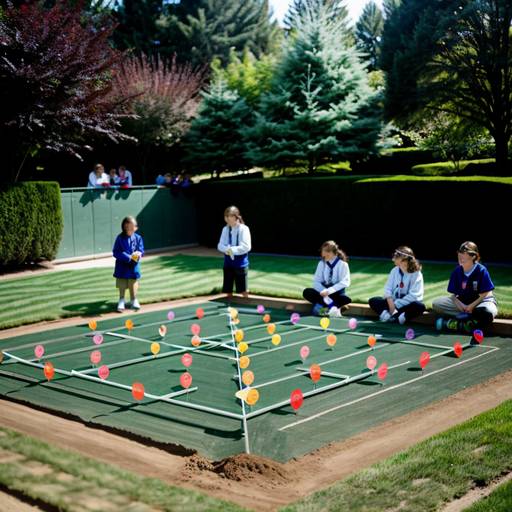
In this 5th-grade math lesson, students will explore the concept of perimeter and its practical applications through engaging activities. The lesson begins with a discussion about gardens, prompting students to consider how perimeter is essential for planning these spaces. Through direct instruction, students will learn how to calculate the perimeter of common shapes such as rectangles, squares, and triangles.
Working in small groups, students will draw their own shapes on graph paper, measure their sides, and calculate their perimeters using the appropriate formulas. Following this, the class will participate in a hands-on challenge where they measure perimeter in a physically constructed course of various shapes using markers. Each group will record their findings, fostering teamwork and collaboration.
At the conclusion of the lesson, students will share their results and reflect on what they’ve learned about perimeter. The assessment will include observation of participation, review of calculated perimeter worksheets, and an exit ticket prompting each student to identify a new insight gained from the lesson. Extensions are available for those who wish to delve deeper, and key vocabulary terms will be introduced throughout the session to enhance understanding of perimeter and measurement.
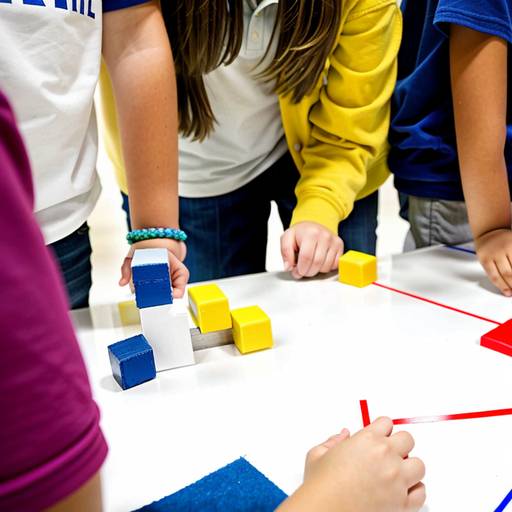
In this 5th-grade math lesson, students will explore the concept of perimeter through interactive activities that involve measurement and real-life applications. The lesson begins with a review of perimeter and its importance, along with relevant formulas for calculating the perimeter of common geometric shapes. Students will then work in small groups to measure various pre-cut shapes using rulers or measuring tapes, calculating the perimeter for each and sharing their findings with the class.
After group presentations, students will engage in a creative activity where they design their own rooms on graph paper, labeling dimensions and calculating the perimeter based on their designs. The lesson concludes with individual practice through worksheets focused on perimeter calculation, allowing the teacher to assess student understanding. Overall, this lesson combines hands-on learning, collaborative discussion, and creative expression to deepen students' comprehension of perimeter and its applications in everyday life.
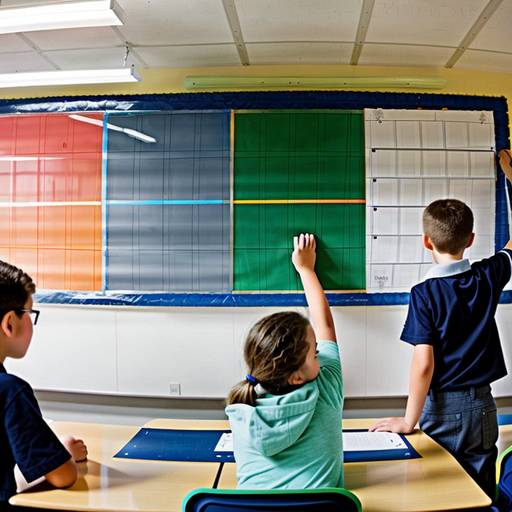
This 5th-grade mathematics lesson focuses on the concepts of measurement and perimeter. The lesson begins with an engaging introduction where students discuss their understanding of perimeter, followed by a clear explanation and demonstration of how to measure lengths and calculate the perimeter of shapes.
Students then pair up to measure various objects in the classroom, recording their findings and calculating perimeters collaboratively. After this guided practice, they will create their own shapes on graph paper, measure each side, and calculate the perimeter, showcasing their creativity.
The lesson concludes with a sharing session where students present their shapes and calculations, reinforcing their understanding of perimeter and measurement. Assessment will be based on observation during activities and the accuracy of their calculations. This lesson encourages hands-on learning, collaboration, and critical thinking, while also providing opportunities for differentiation based on student needs.
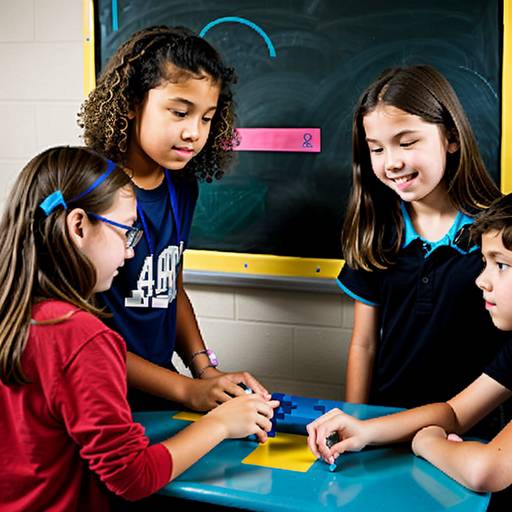
In this 5th-grade math lesson, students will explore the concept of perimeter through a hands-on and engaging approach. The lesson begins with an introduction to perimeter, highlighting its importance in real-world scenarios. Students will learn how to calculate the perimeter of shapes, specifically rectangles and squares, using established formulas.
After a demonstration and guided practice with worksheets, students will work in small groups to create their own shapes using string and graph paper. They will measure the length of the string to determine the perimeter of their unique creations. Each group will then present their shape and findings to the class, fostering discussion about their experiences and any challenges faced during the activity.
The lesson concludes with an assessment of student understanding through the collected worksheets and group presentations, along with a quick exit ticket to reflect on their key learnings. Extensions for advanced learners and support for those needing additional help are also provided. This interactive lesson encourages students to apply measurement concepts in practical situations and fosters collaboration and problem-solving skills.