
Filters
Level
Grade
Subject
Subject Area
Subject Topic
Standard(s)
Audience
Keyword
DurationMinutes
5th Grade Measurement Lesson Plans

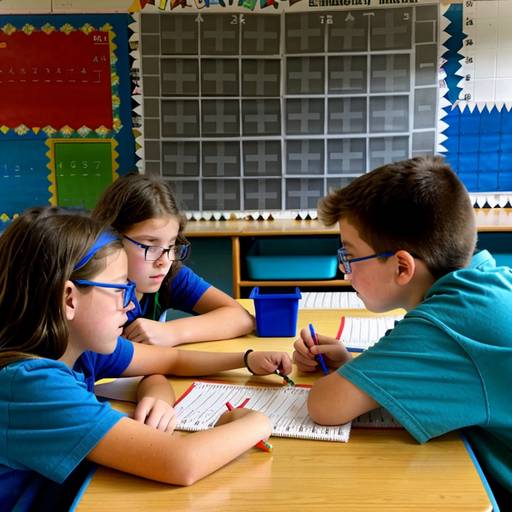
In this 5th-grade math lesson, students will explore the concepts of measurement and temperature while developing their skills in converting between Celsius and Fahrenheit. The lesson begins with a discussion on the importance of temperature measurement in everyday life. Students will learn the formulas for converting temperatures between the two scales before engaging in a guided group activity where they work collaboratively to solve temperature conversion problems. Each group will present their findings, reinforcing their understanding through collaboration.
Following the group work, students will complete a worksheet that includes a mix of temperature conversion tasks and real-life scenarios to further solidify their knowledge. The lesson concludes with a recap and discussion on the relevance of temperature understanding in various professions. Assessment will be based on the worksheets and observed participation during group activities, with differentiation strategies in place to support diverse learners. An optional homework extension encourages students to apply their skills by tracking and converting weekly weather forecasts. This engaging approach ensures that students not only grasp mathematical concepts but also see their practical applications in daily life.
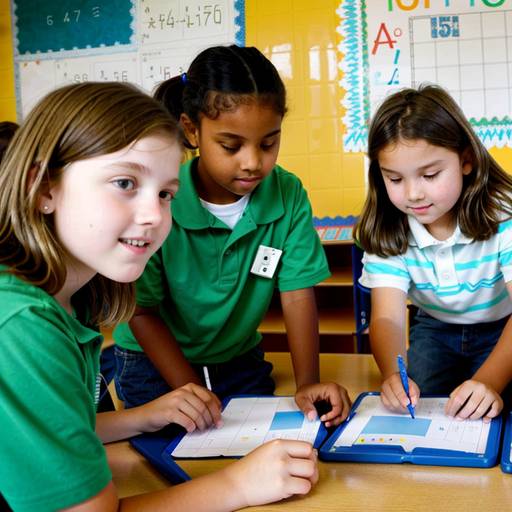
In this 5th-grade math lesson, students will explore the concepts of measurement and area through engaging activities. The lesson begins with a discussion on the importance of measurement in everyday life and introduces the concept of area as the space within various shapes. Students will learn how to calculate the area of rectangles and squares, using hands-on activities with rulers and graph paper to create their own shapes. They will practice measuring and calculating areas both individually and in pairs, ultimately designing a “city block” that incorporates different geometric shapes. Throughout the lesson, students will present their work, enhancing their understanding through collaboration and peer feedback. The lesson concludes with a reflection on their learning and real-world applications of measurement. Assessment will be based on student participation, the accuracy of their area calculations, and their reflective exit tickets. Extensions for advanced students will include exploring area calculations for triangles and circles, encouraging further engagement with geometric concepts.
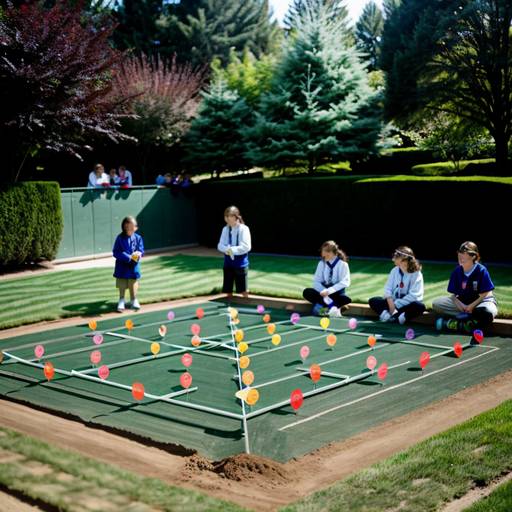
In this 5th-grade math lesson, students will explore the concept of perimeter and its practical applications through engaging activities. The lesson begins with a discussion about gardens, prompting students to consider how perimeter is essential for planning these spaces. Through direct instruction, students will learn how to calculate the perimeter of common shapes such as rectangles, squares, and triangles.
Working in small groups, students will draw their own shapes on graph paper, measure their sides, and calculate their perimeters using the appropriate formulas. Following this, the class will participate in a hands-on challenge where they measure perimeter in a physically constructed course of various shapes using markers. Each group will record their findings, fostering teamwork and collaboration.
At the conclusion of the lesson, students will share their results and reflect on what they’ve learned about perimeter. The assessment will include observation of participation, review of calculated perimeter worksheets, and an exit ticket prompting each student to identify a new insight gained from the lesson. Extensions are available for those who wish to delve deeper, and key vocabulary terms will be introduced throughout the session to enhance understanding of perimeter and measurement.
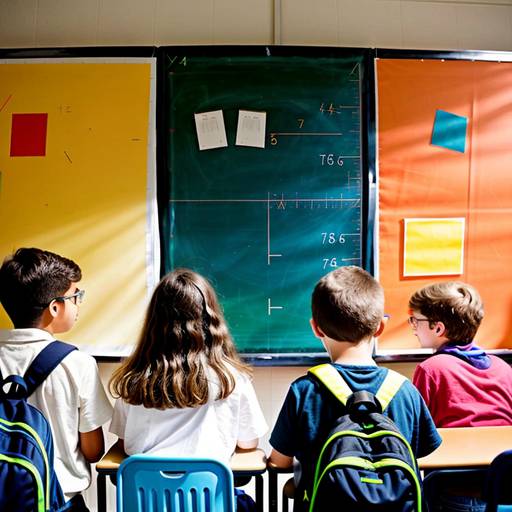
This lesson plan focuses on teaching 5th-grade students the fundamentals of measurement, specifically length and time. It begins with a warm-up discussion that highlights the importance of measurement in everyday life. Students learn about different units of length (inches, feet, meters) and how to read both analog and digital clocks. They engage in a hands-on measurement station activity, where they work in small groups to measure various classroom objects and use stopwatches to time simple tasks. Independent practice involves completing a worksheet that requires them to measure items and record the time taken for activities. The lesson concludes with a class review where students share their observations and reflect on the relevance of measurement in real-life situations. Assessment is conducted through observation during group work and by checking worksheet responses. The plan also offers extensions for further exploration and differentiation strategies to support diverse learners. Finally, it suggests a follow-up lesson to introduce area and volume, allowing students to build on their understanding of measurement.
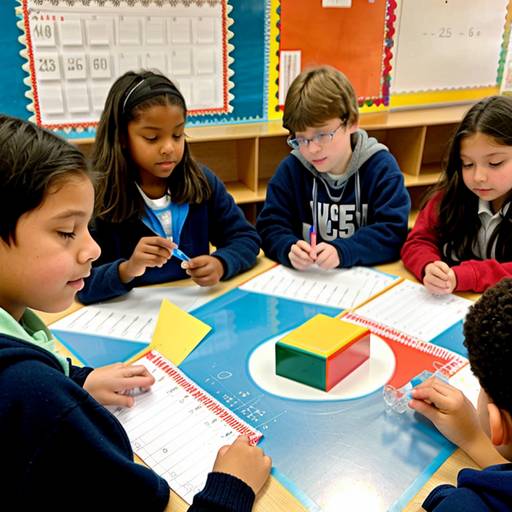
In this 5th-grade math lesson, students will explore the concepts of measurement and weight through engaging hands-on activities. They will learn to use various tools such as digital scales, rulers, and measuring tapes to accurately measure and weigh different objects. The lesson begins with a discussion on the importance of measurement in everyday life, followed by direct instruction on using measurement tools and converting between different units (grams, kilograms, ounces, and pounds).
Students will then work in small groups to measure and weigh assigned items, recording their findings on worksheets. After grouping activity, they will perform conversions and solve related word problems based on their measurements. The lesson concludes with group presentations where students share their observations and reflect on their learning experience. Assessment will be based on their worksheets and participation in group discussions, while extensions and adaptations are available for varying student needs. Overall, the lesson aims to deepen students’ understanding of measurement through collaboration and practical application.
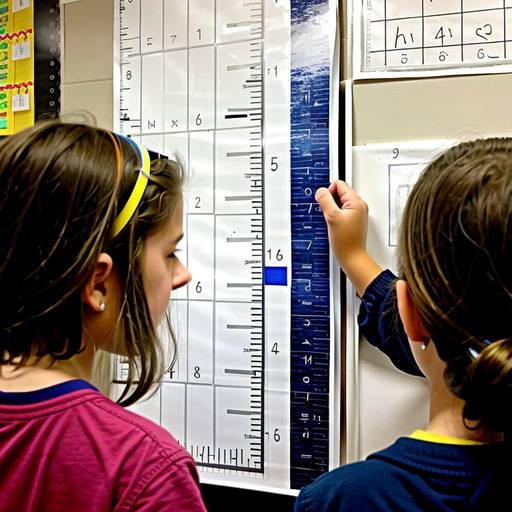
This 5th-grade math lesson focuses on the concept of measurement and length, emphasizing its real-world applications. Students will understand how to measure using standard units—specifically inches, feet, centimeters, and meters—and practice converting between these units. The lesson begins with a discussion on the importance of measurement in everyday life, followed by a demonstration of measuring techniques.
Students will engage in a hands-on activity where they work in small groups to measure various classroom objects and record their findings on a worksheet, including unit conversions. The class will then reconvene to discuss their measurements and any challenges they encountered. To conclude, a short quiz or exit ticket will assess their understanding of the material covered. This lesson aims to reinforce measurement skills while fostering collaboration and real-life connection to mathematics.
This lesson plan focuses on teaching 5th-grade students the concepts of length measurement and telling time. It begins with an introduction to the importance of measurement in everyday life and the introduction of key vocabulary. Students participate in direct instruction that covers the use of measurement tools and the differences between standard and metric units, as well as how to read analog and digital clocks.
During guided practice, students work in small groups to measure classroom objects using both metric and standard units and practice timing activities with a stopwatch. The lesson includes an outdoor measurement scavenger hunt where students measure various objects and time a simple obstacle course.
To conclude, students gather for a review and discuss real-life applications of their newly acquired measurement skills. They will also complete a reflection assignment at home to deepen their understanding. The lesson incorporates hands-on activities, teamwork, and practical applications, ensuring an engaging and effective learning experience in measurement and time. Assessment is based on the accuracy of measurements, participation in activities, and reflection on real-life situations involving measurement. Modifications are included to support diverse learners and challenge advanced students.
In this 5th-grade math lesson, students will explore the concepts of measurement and length through an engaging and hands-on approach. The activity begins with a storytelling element, introducing students to the significance of measurement in everyday life. Instruction will include demonstrations on how to accurately use rulers and measuring tapes, as well as discussions on standard units of measurement and unit conversions.
Students will then participate in a guided practice activity, where they will measure various classroom objects using both inches and centimeters, recording their findings on worksheets. They will apply what they have learned by converting measurements and solving related problems.
To reinforce their understanding, students will complete an independent practice worksheet that includes measurement problems and a word problem that requires them to apply their skills. The lesson will conclude with students sharing their measurement discoveries and reflecting on their learning experiences. Assessment will be based on the worksheets and participation in activities.
Overall, this lesson promotes hands-on learning, collaboration, and critical thinking through the exploration of measurement.
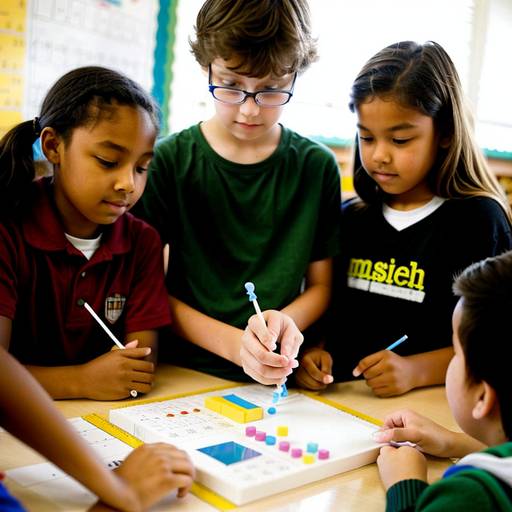
In this 5th-grade math lesson focused on measurement and length, students will learn to measure various objects using standard units like inches, feet, centimeters, and meters. The session begins with a discussion on the importance of measurement in everyday life and a demonstration of measurement tools. Students will engage in an estimation activity, predicting the lengths of classroom objects, followed by a hands-on measurement activity in small groups where they will measure the actual lengths and compare them to their estimates. A class discussion will allow students to reflect on their findings and understand the discrepancies between estimation and actual measurements. The lesson concludes with a summary of key concepts and an assignment for students to measure objects at home, further reinforcing their learning. Through observation and worksheet review, teachers will assess student understanding, while differentiation strategies will support varied learners and extend challenges for advanced students.
This 5th Grade math lesson focuses on measurement and area, aiming to help students understand the importance of these concepts in real life. Students will learn how to calculate the area and perimeter of shapes, especially rectangles, through guided practice and hands-on activities. They'll engage in measuring objects in the classroom and create unique polygons using graph paper, allowing them to apply their measurement skills in a creative way. The lesson encourages collaboration and discussion as students share their creations and calculations with classmates. Assessment will include worksheets and observation of student participation, with extensions offered for advanced learners. Differentiation strategies are provided to support all students in grasping the concepts effectively.