
Filters
Level
Grade
Subject
Subject Area
Subject Topic
Standard(s)
Audience
Keyword
DurationMinutes
4th Grade Robotics Lesson Plans
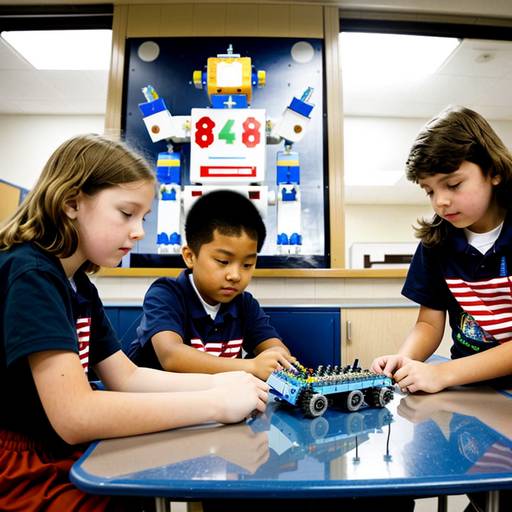
In this comprehensive lesson plan designed for 4th-grade students, learners will explore the world of robotics through engaging hands-on activities. The lesson spans multiple class periods and focuses on building and programming robots to tackle various challenges. Students will begin by learning about the basic components of robots and how they operate, followed by brainstorming sessions in groups to design their own robotic creations.
Over the course of the lesson, students will work collaboratively to construct robots using LEGO kits while incorporating essential programming skills to navigate their robots through assigned tasks. As they test and refine their robots, students will develop critical problem-solving and teamwork skills.
In the final stage, students will participate in robot challenges, showcasing their projects to the class and reflecting on their experiences and learning outcomes. The lesson encourages creativity and exploration of real-world applications of robotics while fostering collaboration and critical thinking among students. Assessments will include observation of group dynamics, the effectiveness of the robots in performing designated tasks, and reflective written submissions on the learning process.

This lesson plan is designed for 4th-grade students and spans three class sessions focused on robotics and programming. It begins with an introduction to robotics, helping students understand what robots are and their various applications in the real world. Students learn basic programming concepts through hands-on activities using visual programming languages, which prepares them for building and programming their own robots in subsequent sessions.
In the second session, students collaborate in small groups to design and build their robots based on a specific task challenge, emphasizing teamwork and communication skills. The final session emphasizes programming, where students apply their programming knowledge to code their robots to perform the tasks they envisioned.
The culminating activity features a friendly competition, showcasing each group’s robot and its capabilities. This plan integrates problem-solving, creativity, and collaboration, while also providing opportunities for student reflection and assessment of their understanding of robotics and programming. Extensions for interested students include optional after-school club meetings and sharing their projects with a broader community.