
Filters
Level
Grade
Subject
Subject Area
Subject Topic
Standard(s)
Audience
Keyword
DurationMinutes
4th Grade Robotics Lesson Plans
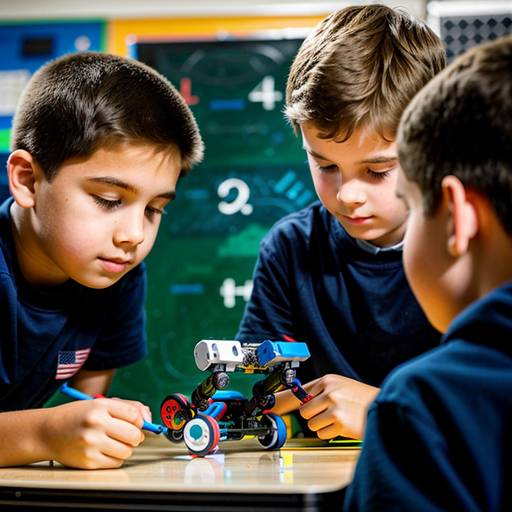
In this 4th Grade technology lesson, students will explore the fundamentals of robotics and programming through hands-on activities. They will start by discussing what robots are and identifying their components such as sensors and motors. Working in small groups, students will brainstorm, design, and build their own robots using provided kits and craft materials, focusing on a specific task their robot will perform.
Once their robots are constructed, students will learn to program their devices using basic coding commands to control movements and actions. The lesson culminates in a testing phase where students will demonstrate their robots' functionality, troubleshoot any issues, and reflect on their experiences. By the end of the lesson, students will have gained collaborative skills, problem-solving techniques, and foundational knowledge in robotics and programming.
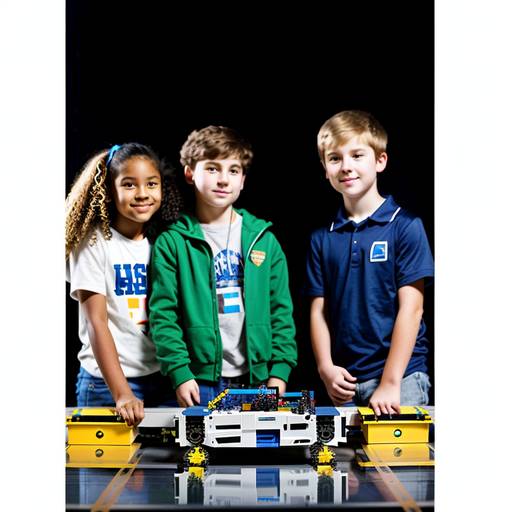
In this engaging 4th-grade technology lesson, students will explore the world of robotics by building and programming their own simple robots. The lesson begins with an introduction to the basic concepts of robotics and examples from everyday life. Students will work in small groups to design and construct their robots using LEGO robotics kits, encouraging creativity and collaboration.
Following the building phase, they will learn how to program their creations using appropriate software to execute specific tasks. Once the programming is complete, students will participate in a series of challenges, navigating their robots through an obstacle course. Reflection discussions will allow them to evaluate their strategies and make improvements.
Assessment will focus on participation, robot performance in the challenges, and group reflections on their experiences. Extensions to the lesson can include advanced robotics concepts or art integration, further enhancing their learning. The overall goal is to foster teamwork, problem-solving, and a deeper understanding of technology and engineering.
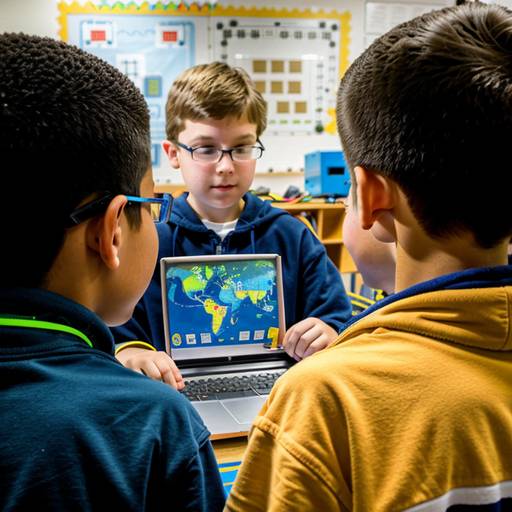
This lesson plan is designed for fourth-grade students to introduce them to the fundamentals of robotics and robot engineering over two class periods. The objectives include understanding basic robotic concepts, identifying robot components and their functions, assembling a simple robot using a robotics kit, programming the robot for basic movements, and collaborating in teams to tackle a robotics challenge.
During the first class, students are engaged in discussions about robots and their everyday applications, followed by a presentation on robot components. They work in groups to complete an activity matching parts to functions and receive an introduction to their robotics kits, learning how to assemble basic structures.
The second class focuses on the actual building and programming of the robots. Students work in their groups to construct their robots, experiment with programming software, and participate in a challenge where they navigate or manipulate objects. They present their creations to the class, discussing their design processes and the challenges they encountered.
Assessment will include observations of group dynamics, completion of worksheets, and evaluations based on presentations. Extensions for advanced students can introduce more complex programming or sensors, and a showcase can allow students to share their work with a broader audience. Safety and support will be ensured throughout the activities.
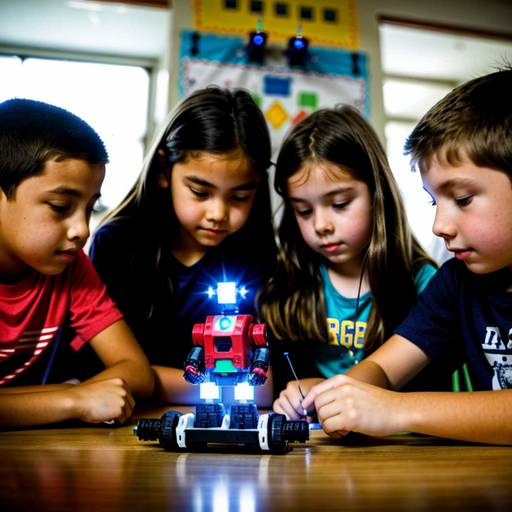
In this lesson plan designed for 4th-grade students, the focus is on introducing basic concepts of robotics and engineering through a hands-on project. Students begin by exploring various types of robots and their functions, fostering a discussion about their role in everyday life. They learn about the engineering design process, which includes steps such as asking questions, imagining solutions, planning, creating prototypes, and improving designs.
In small groups, students brainstorm ideas and then proceed to build their own simple robot models using everyday materials. Each robot must incorporate at least one moving part and demonstrate a specific function. After constructing their robots, the groups present their designs to the class, explaining their decisions and the challenges they faced during the creation process.
The lesson encourages teamwork, problem-solving, and critical thinking while allowing students to reflect on their experiences and consider ways to improve their designs. Additional activities could involve basic programming concepts to complement the hands-on experience. Assessment includes participation, creativity in design, and the ability to communicate the engineering process effectively during presentations.
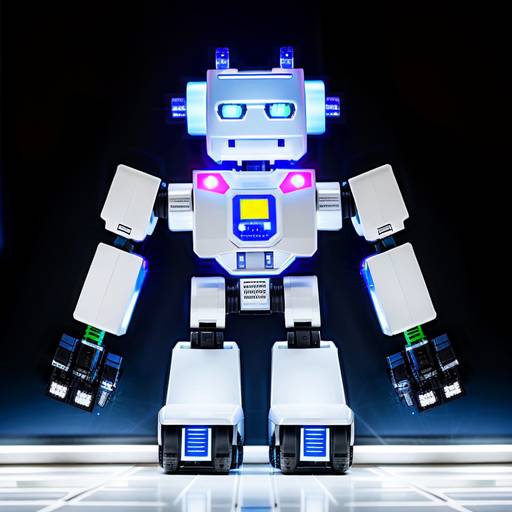
In this 4th-grade lesson plan, students are introduced to the world of robotics and learn about the basic components and functions of robots. The class begins with a discussion on the applications of robots in daily life, complemented by a video showcasing various types of robots. Students work in small groups to brainstorm and identify real-world problems that could potentially be addressed through robotics. They then sketch their robot designs on graph paper, labeling each component and its function in relation to the chosen problem.
On the second day, students use robotics kits to build a basic model of their designed robots, collaborating and assigning roles within their groups. After constructing their robots, they prepare and deliver presentations that explain the purpose, functionality, and problem-solving capabilities of their creations. Throughout the lesson, students are assessed on their participation, creativity in design, and communication skills during presentations. This engaging and hands-on approach encourages critical thinking, teamwork, and innovation in the realm of technology.
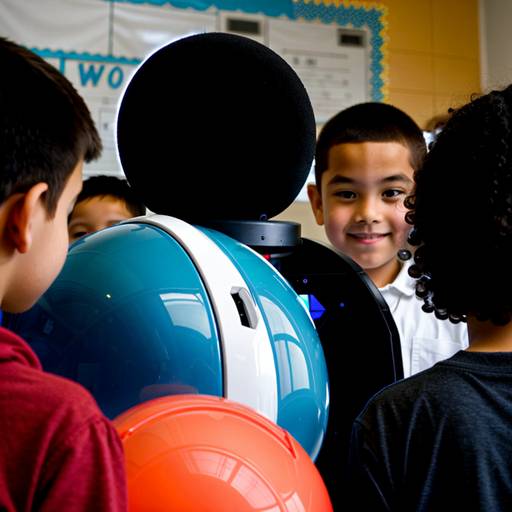
In this 4th-grade technology lesson, students will explore the fundamentals of robotics and programming by working with various types of robots. The lesson begins with an engaging discussion about robots in everyday life and progresses to an introduction of the components that make up a robot and the basics of block-based programming.
Students will be divided into small teams, where they will create an obstacle course and program their robots to navigate through it using the programming software. Through hands-on experimentation, they will test their programs, make observations, and iterate on their designs to overcome challenges.
At the end of the lesson, students will share their experiences and learnings, reflecting on what they found effective and what they would like to explore further. Assessment will involve observing group collaboration and participation, as well as having students write an exit ticket summarizing their insights and questions. The lesson encourages critical thinking, creativity, and teamwork, laying a solid foundation for future exploration in robotics and programming concepts.

In this 4th-grade technology lesson, students are introduced to robotics through engaging discussions and hands-on activities. The lesson begins with an interactive exploration of the role of robots in everyday life, followed by students working in small teams to build and program simple robots using basic robotics kits. After constructing their robots, teams plan their approach for a defined challenge that involves navigating the robots through an obstacle course. Students are encouraged to collaborate, strategize, and share ideas as they customize their robots and develop coding commands.
After a brief break, teams participate in the robot challenge, where they guide their robots through the course, reflecting on successes and areas for improvement. The lesson concludes with a wrap-up discussion that emphasizes teamwork, problem-solving, and the practical applications of robotics. Throughout the session, students enhance their understanding of robotics while honing key skills such as collaboration and critical thinking, with opportunities for extension tasks to further explore the field.
This lesson plan is designed for 4th-grade students to explore robotics through hands-on activities and collaborative challenges over three days. It begins with an introduction to the fundamentals of robotics, where students discuss components and view videos showcasing various robots. They then form small groups to brainstorm and sketch their robot designs, fostering teamwork and creativity.
In the second session, students build their robots using kits and construction materials, while also learning to program basic commands to control their creations. They work collaboratively, assigning roles within their groups to enhance cooperation.
The final day focuses on a series of robotic challenges, where groups test their robots in tasks such as navigating mazes or racing. Teams present their designs and programming solutions while participating in a competitive environment that encourages problem-solving and critical thinking. Throughout the lesson, students reflect on their learning experiences, and their progress is assessed based on teamwork, creativity, and performance. Extension activities are available for further exploration of robotics. Overall, the plan aims to engage and inspire students in the field of technology and engineering.

In this engaging 4th-grade technology lesson, students explore the fundamentals of robotics and programming through hands-on activities. Pairs of students work together to build simple robots using a robotics kit, learning about key components such as sensors and motors. After constructing their robots, they dive into a programming software to create basic commands that control their robots' movements.
The class sets up an obstacle course where students test their robots, adjusting their programming to overcome challenges successfully. Throughout the lesson, valuable skills such as collaboration, problem-solving, and critical thinking are emphasized as students navigate obstacles and share their experiences. The session culminates in a reflection, where students discuss their learnings, fostering a deeper understanding of robotics and its applications. Extensions include more complex programming challenges and a showcase event, promoting further exploration of technology.
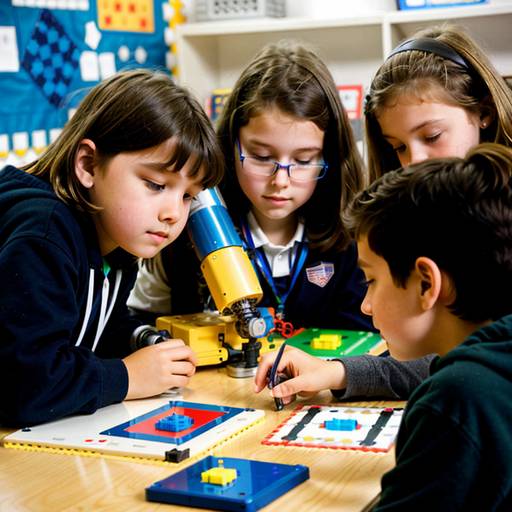
In this 4th-grade technology lesson focused on robotics, students will learn about basic robot components and their functions while engaging in hands-on design and engineering. The lesson is divided into two sessions. During the first session, students will discuss what robots are, work in teams to brainstorm and create a design for a robot that can navigate an obstacle course, and use design thinking worksheets to plan their projects.
In the second session, students will build their robots using kits, followed by programming them with introductory software to perform specific tasks. After constructing their robots, students will test them on the obstacle course, encouraging iterative improvements based on performance. Assessment will focus on teamwork, creativity in design, and the effectiveness of the robot during the challenge.
The lesson promotes critical thinking, problem-solving, and collaboration, offering an interactive introduction to robotics and programming concepts, while optional extensions allow for further challenges for advanced learners. Finally, students will reflect on their experiences, sharing insights about teamwork and the building process.