
Filters
Level
Grade
Subject
Subject Area
Subject Topic
Standard(s)
Audience
Keyword
DurationMinutes
4th Grade Coding Basics Lesson Plans
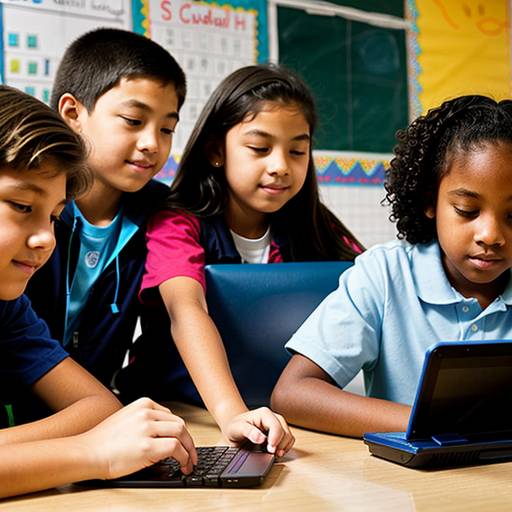
In this 4th-grade technology lesson plan, students will be introduced to the fundamentals of coding through the visual programming language Scratch. The lesson begins with a discussion about coding and its relevance in everyday technology, accompanied by an overview of the Scratch interface and its coding blocks. Students will engage in an exploration activity to familiarize themselves with Scratch, followed by a planning phase where they will design their own interactive games based on storyboards they create.
In the second part of the lesson, students will actively code their games, applying the concepts they learned about movement, objectives, and game mechanics. They will present their projects to the class, showcasing their creativity and the unique elements of their games. The lesson concludes with a reflection on their coding experience. Students will be assessed based on participation, planning documentation, and the complexity of their game creations, with opportunities for future extensions in coding concepts and collaboration.
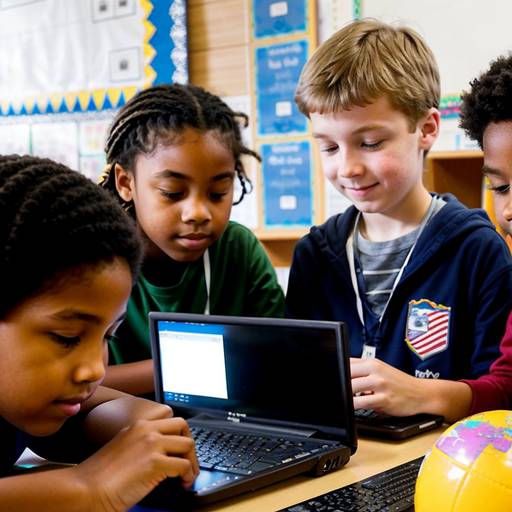
This lesson plan focuses on introducing 4th-grade students to the basic concepts of coding, including sequences, loops, and conditionals. It begins with an engaging discussion to assess students' prior knowledge followed by a direct instruction segment where the teacher demonstrates how to use a coding platform, such as Scratch, to create a simple project.
Students then work in pairs to complete a guided coding challenge, applying their understanding of the foundational concepts. After guided practice, they are encouraged to create their own projects, fostering creativity and independent application of skills. The lesson concludes with students sharing their projects and participating in a reflective discussion about their learning experiences.
Assessment includes observing student participation and collecting exit tickets to evaluate understanding. The plan also includes extensions for advanced learners and adaptations for those who may need additional support, promoting an inclusive learning environment focused on collaboration and problem-solving.
In this 4th-grade technology lesson, students will explore fundamental coding concepts such as algorithms, commands, and debugging through hands-on activities using a block-based coding platform like Scratch or Code.org. The lesson begins with an engaging discussion to activate prior knowledge about coding and its applications. Following a demonstration on how to navigate the coding platform, students will create a simple program while following specific steps that emphasize algorithm development and execution.
During guided practice, students will log into their accounts and work on a designated coding project, using a coding challenge worksheet to document their algorithms, commands, and any debugging efforts. After individual work, students will collaborate in pairs to share their projects and learn from each other’s experiences. The lesson concludes with a few students presenting their work to the class and reflecting on their learning.
Assessment will be based on observation during practice, the completion of worksheets, and peer presentations. Extensions encourage further exploration of coding at home, while accommodations support students who may need additional help. Overall, this lesson aims to foster a foundational understanding of coding in an engaging, collaborative environment.
This lesson plan for 4th-grade students focuses on introducing the fundamentals of coding through interactive activities. Students will learn key concepts such as algorithms, sequences, loops, and conditionals. The lesson begins with a discussion about the significance of coding in everyday life, followed by a demonstration using a block-based programming platform like Scratch or Code.org. Guided practice allows students to collaboratively create a basic coding project while incorporating the learned concepts.
During independent work, students will partner up to brainstorm and develop their own unique projects, such as simple animations or games, utilizing loops and conditionals. The lesson culminates in presentations where each pair shares their creations and discusses the challenges and solutions they encountered. Assessment will be based on participation and the application of coding concepts in their projects. The plan also includes extensions for further exploration and accommodations to support diverse learning needs, ensuring an engaging experience for all students.

In this 4th-grade technology lesson, students will explore fundamental coding concepts such as algorithms, sequences, loops, and conditional statements. The lesson begins with an engaging introduction to coding and its real-world applications, accompanied by a brief video. Students will learn essential vocabulary related to coding through a handout and group discussions.
Following this, they will participate in a group activity where they create an algorithm for a simple task, highlighting the importance of clarity in instructions. The lesson progresses to hands-on coding using a child-friendly platform, where students will build their own simple projects, applying the concepts they have learned.
To conclude, students will reflect on their experiences by sharing their creations and discussing the coding techniques they used. Assessment will focus on participation, understanding of vocabulary, and the ability to explain their coding projects. The lesson not only teaches coding basics but also fosters collaboration, creativity, and problem-solving skills.
This lesson plan is designed for 4th-grade students to introduce them to the basics of coding and programming languages. The lesson begins with a classroom discussion to gauge students' prior knowledge about coding. It progresses with a slideshow presentation outlining various programming languages, such as Python, JavaScript, and Scratch, and their real-world applications.
Students will engage in guided practice by exploring the Scratch interface, creating a simple program that makes a character say "Hello, World!" and adding interactive elements like movement or sound. They will then have the opportunity to work independently, modifying their projects and showcasing their creations to classmates.
The lesson concludes with a reflection where students share what they learned and how coding is relevant to everyday life. Assessment will involve monitoring student progress throughout the activities and reviewing their Scratch projects. Extensions are provided for students seeking further challenges, ensuring opportunities for deeper learning. Overall, this lesson combines creativity with technology, helping students develop foundational programming skills in an engaging manner.
This technology lesson plan targets 4th-grade students, focusing on introducing coding concepts through the creation of interactive stories using a block-based coding platform like Scratch. Over the course of 60 minutes, students will engage in discussions about coding's importance, learn basic coding commands, and plan their unique stories, identifying key elements like characters and plot interactions. Following this, they will actively create their interactive stories by incorporating various coding elements, encouraging creativity and collaboration. The lesson concludes with peer-sharing sessions where students present their projects, receive feedback, and reflect on their learning experiences. Assessment will focus on engagement, story outlines, and the final interactive stories, while extensions allow for further refinement and exploration of coding outside the classroom.
In this 4th-grade technology lesson, students will explore the basics of coding through engaging and interactive activities. The lesson begins with a discussion on what coding is, followed by an introduction to essential coding concepts such as algorithms, loops, and conditionals. A demonstration using a block-based coding platform showcases how these concepts can be applied in a simple project.
Students will then work in pairs to create a short animation or game, applying the coding concepts they've learned. Collaboration is encouraged as students explain their code to one another, reinforcing communication skills. After an opportunity for independent exploration and creativity, a few pairs will present their projects, focusing on the coding concepts they utilized.
The lesson will conclude with an exit ticket activity, where students write down one thing they learned and one question they still have. Assessment will be based on observation and student participation, with extensions for those seeking additional challenges. Differentiation strategies will be employed to support varied learning needs, ensuring an inclusive environment that fosters enthusiasm for coding.
In this 4th Grade Technology lesson, students will be introduced to the fundamentals of coding and programming languages through engaging activities. They will learn what coding is, its importance, and basic terminology such as algorithm, loop, and debugging. The lesson begins with a video showcasing coding applications, followed by a discussion to gather students' ideas about coding. A demonstration of a block-based coding platform, like Scratch or Code.org, guides students through creating their own simple program, allowing for creativity and hands-on experience. They will also learn how to identify and fix mistakes in their code. At the end, students will present their projects to the class, reflecting on their experiences and challenges. Assessment will be based on participation and the final projects, with optional extensions for advanced learning and adjustments for diverse learners. This interactive lesson aims to make coding accessible and fun, fostering critical thinking and collaboration among students.
In this 4th-grade technology lesson, students will explore the basics of coding through the understanding of algorithms, which serve as step-by-step instructions for problem-solving. The lesson begins with a warm-up discussion on coding, followed by an introduction to a coding platform where students will learn about essential concepts like sequences, loops, and conditions. They will engage in an interactive activity where they create their own algorithm based on a common task.
Guided practice allows students to develop a simple coding project, such as an animation or interactive scene, based on a theme of their choice. As they work on their projects, students will reflect on their learning and share their creations with the class. The lesson concludes with a recap of key concepts, emphasizing the importance of algorithms in programming and the troubleshooting process of debugging. Assessment will focus on collaboration, creativity, and understanding of coding concepts, with opportunities for further exploration in follow-up lessons. Adaptations will be made to support diverse learners and challenge advanced students.