
Filters
Level
Grade
Subject
Subject Area
Subject Topic
Standard(s)
Audience
Keyword
DurationMinutes
4th Grade Earth Science Lesson Plans

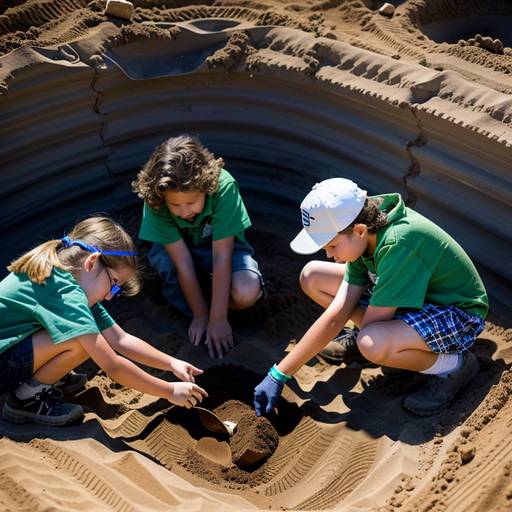
In this Earth Science lesson for 4th-grade students, the focus is on understanding soil, its composition, and its significance in ecosystems. The lesson begins with a discussion to tap into students' prior knowledge about soil, followed by a presentation on soil components, layers, and its importance to both the environment and human life.
Students are then divided into pairs to engage in a hands-on activity where they analyze soil samples, observing textures and identifying different materials using magnifying glasses and soil texture charts. They record their findings and share them in a class discussion, promoting collaboration and communication skills.
To conclude, key concepts are summarized, and students complete a worksheet and a homework writing prompt. The lesson incorporates differentiation strategies and extension activities, including a potential field trip and the possibility of starting a school garden, enhancing the learning experience and reinforcing the concepts introduced.
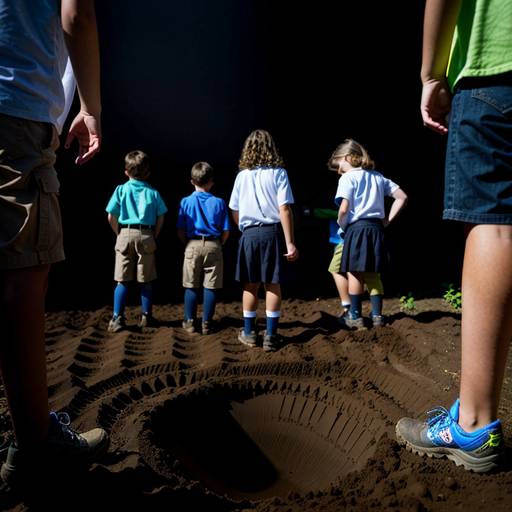
This lesson plan for 4th-grade students focuses on Earth Science, specifically the study of soil. The session aims to help students identify and understand the components of soil, its importance for life on Earth, and classify different types based on texture and color.
The lesson begins with an engaging introduction that encourages students to share their thoughts about soil. This is followed by direct instruction using a video or slideshow to explain soil formation and types. In a hands-on activity, students will explore various soil samples in small groups, using hand lenses to investigate elements like texture and visible materials. They will document their findings and classify the samples using a soil classification chart.
If time permits, students will have the opportunity to plant seeds in different soil types to observe which supports growth best. The lesson concludes with a class discussion, allowing students to share their observations and reflections on the importance of soil and environmental conservation.
Assessment will be based on participation, completed observation worksheets, and optional presentations on soil quality related to plant growth. Extensions and nature walks can further enhance the learning experience, fostering curiosity about the Earth's ecosystems and the vital role of soil.
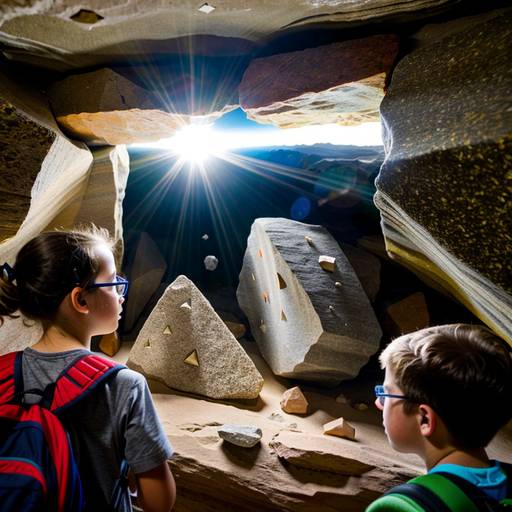
In this Earth Science lesson, 4th-grade students explore the different types of rocks: igneous, sedimentary, and metamorphic. The lesson begins with a discussion where students share their prior knowledge about rocks, followed by a direct instruction segment that covers how each type forms and introduces the rock cycle.
Students then engage in a guided activity where they work in small groups to examine rock samples using magnifying glasses and classify them based on their properties. They complete worksheets to document their findings and share their insights with the class. The lesson concludes with students creating a diagram of the rock cycle, reinforcing their understanding of the material learned.
Assessment is based on the accuracy of their worksheets, participation in group discussions, and their ability to illustrate the rock cycle. The lesson includes options for extensions and modifications to cater to diverse learning needs, ensuring all students can engage effectively with the content.
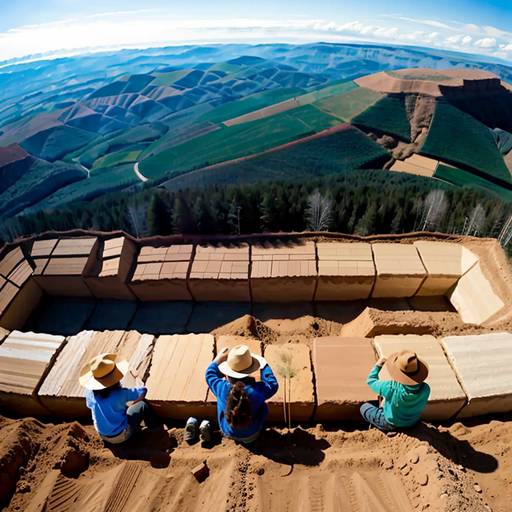
In this Earth Science lesson for 4th graders, students will explore the different layers of soil and their characteristics. The lesson begins with a discussion to activate prior knowledge, followed by a multimedia presentation that illustrates soil types and layers, including topsoil, subsoil, clay, and bedrock.
Students will engage in a hands-on activity where they will collect and layer various soil types in clear plastic cups, adding water to observe changes in texture and drainage. This experiential learning opportunity is complemented by an observation segment where students use magnifying glasses to examine the soil up close, drawing and labeling their findings in their notebooks.
The lesson emphasizes the importance of soil in supporting plant life and ecosystems through guided discussions and reflections. Students will share their observations and insights, reinforcing their understanding of the role soil plays in the environment. Assessment will include participation during discussions, review of drawings, and a brief quiz covering key concepts. To extend their learning, a follow-up field trip or home gardening project can be introduced, promoting real-world application of their knowledge.
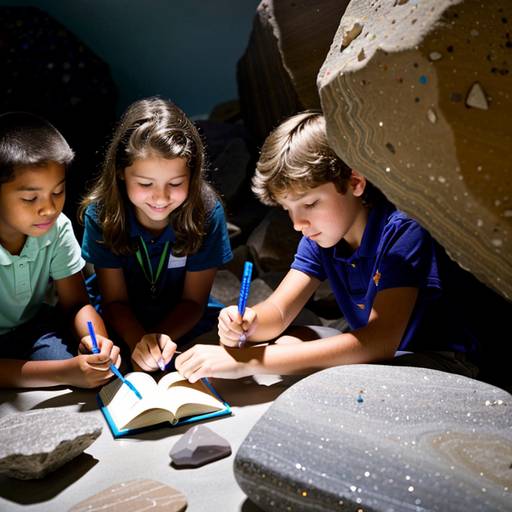
In this 4th-grade Earth Science lesson, students will explore the fascinating world of rocks and minerals. They will learn about the three main types of rocks—igneous, sedimentary, and metamorphic—and gain an understanding of the rock cycle, which explains how rocks transform from one type to another over time. The lesson begins with a class discussion to activate prior knowledge about rocks, followed by a direct instruction segment that introduces rock classifications and characteristics.
Students will engage in a hands-on activity where they work in small groups to observe various rock samples using hand lenses, classify them according to their properties, and create informative posters based on their findings. Each group will present their work to the class, fostering collaboration and discussion about the similarities and differences among the rocks. The lesson concludes with a recap of the key concepts and an assignment for students to find a rock at home and write about its type and characteristics. Assessment will incorporate the rock classification worksheets, group posters, and the take-home project, ensuring students demonstrate their understanding of the material. The lesson aims to cultivate curiosity about Earth science through active learning and exploration.
In this 4th-grade Earth Science lesson, students will explore the three main types of rocks: igneous, sedimentary, and metamorphic. They will learn how each type is formed and gain an understanding of the rock cycle through visual aids and a short video presentation.
The lesson includes a hands-on activity where students work in small groups to classify a variety of rock samples using identification charts and hand lenses. They will observe the physical characteristics of the rocks and document their findings on worksheets.
After sharing their discoveries in a group discussion, the class will review the key concepts learned about the rock cycle and the processes of erosion, cooling, and metamorphism. The lesson emphasizes engagement through observation, teamwork, and discussion while facilitating student understanding of Earth's geology. Assessment will include reviewing students' worksheets and monitoring their participation during group activities.
Extensions to deepen learning may include creating a mobile to illustrate the rock cycle or planning a field trip to observe geological features in nature. Post-lesson reflections will help assess the effectiveness of the instruction and gather student feedback for future improvements.
In this 4th-grade earth science lesson, students will explore the three main types of rocks: igneous, sedimentary, and metamorphic. The lesson begins with an engaging introduction to rocks, highlighting their materials and characteristics. Through direct instruction, students will learn about the formation processes and key features of each rock type using visual aids and examples.
Following the introduction, students will work in small groups to examine various rock samples, utilizing magnifying glasses and rock identification guides. They will classify the rocks and detail their observations on a provided worksheet. Each group will then share their findings with the class, contributing to a collective chart of rock characteristics.
As a closing activity, students may discuss any rocks they have collected from outside, reflecting on their favorite rock type in a short homework assignment. Assessment will focus on student participation, the accuracy of their worksheets, and their presentations. Extensions can include introducing the rock cycle for advanced learners and incorporating creative activities like diagram creation. This lesson promotes hands-on learning, collaboration, and fundamental knowledge of Earth's geological features.
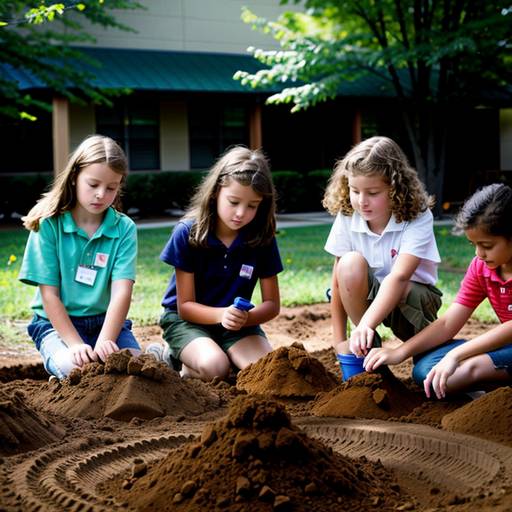
In this Earth Science lesson for 4th graders, students will explore the importance and composition of soil, as well as its various layers. The lesson begins with an engaging discussion about soil, inviting students to share their experiences with digging in the dirt and what they found. The instructor will explain the main components of soil—minerals, organic matter, water, and air—and illustrate the different soil layers, or horizons, using visual aids.
Following the introduction, students will participate in a hands-on activity where they will examine soil samples from different types and observe the layers that form when mixed with water. Working in small groups, they will document their observations using magnifying glasses and fill out worksheets that detail their findings.
The lesson concludes with a group discussion where students reflect on their observations and the role of soil in supporting life. To assess understanding, a quick exit quiz will help reinforce key concepts. Optional extensions will encourage students to collect soil samples from their surroundings, while adaptations will support varying student needs. This interactive and engaging lesson aims to deepen students' appreciation of soil and its vital role in the environment.