
Filters
Level
Grade
Subject
Subject Area
Subject Topic
Standard(s)
Audience
Keyword
DurationMinutes
4th Grade Music Appreciation Lesson Plans

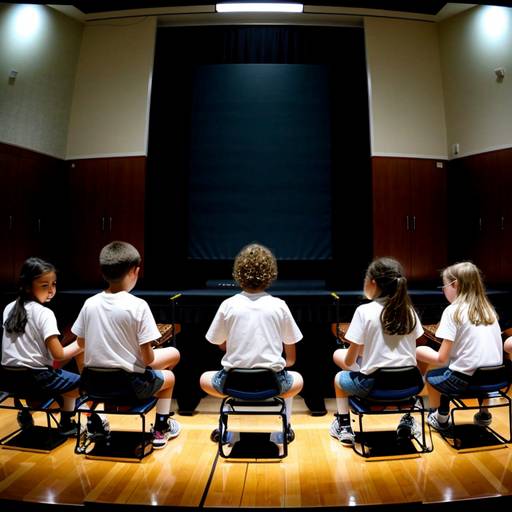
In this 4th-grade music appreciation lesson, students will embark on an auditory exploration of various musical genres from around the world. The lesson begins with an engaging discussion about the importance of music in different cultures and encourages students to share their personal musical preferences.
Students will then participate in a structured listening activity, where they will hear a series of audio clips representing diverse cultures, such as African drumming and Indian classical music. As they listen, they will fill out worksheets to capture their observations about the instruments, rhythms, and emotional responses elicited by each piece.
Following the listening activity, a class discussion will allow students to share their insights and compare their thoughts on the different genres. To culminate the lesson, students will engage in a creative activity, creating artwork inspired by the music they enjoyed, while revisiting the audio clips for inspiration.
The class will conclude with a sharing session where students present their artwork and explain its connection to the music. Throughout this lesson, students will enhance their listening skills, develop an appreciation for global musical diversity, and express their creativity, providing a well-rounded experience in music appreciation and cultural awareness.
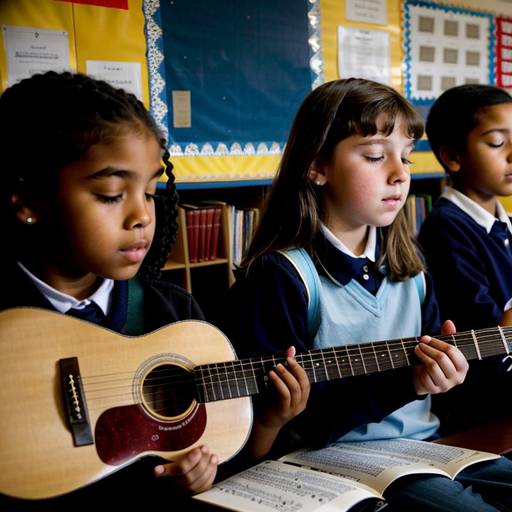
In this 4th-grade music appreciation lesson, students will explore and understand famous songs from various eras, highlighting their historical context and cultural significance. The lesson begins with a warm-up discussion where students share their favorite songs. Following this, they will engage in listening stations, where small groups will rotate through different stations featuring a selection of iconic songs from diverse genres and decades. At each station, students will listen to the music and discuss its themes and historical relevance, using provided handouts for reference.
After completing the stations, the class will regroup to share reflections on the songs that resonated with them and how those songs mirror the time periods in which they were released. The lesson concludes with a creative component, where students are encouraged to write their own short verses or choruses inspired by the themes they explored. This activity fosters creativity and personal connections to music while reinforcing the understanding of its role in reflecting societal values and emotions. Assessments will be based on participation in discussions, group reflections, and the creativity displayed in their song creations. Additionally, extensions may include individual research assignments on other songs and organizing a themed presentation day for students to showcase their findings and creative outputs.