
Filters
Level
Grade
Subject
Subject Area
Subject Topic
Standard(s)
Audience
Keyword
DurationMinutes
4th Grade Music Appreciation Lesson Plans


In this 4th-grade music appreciation lesson, students will explore famous songs from various genres and eras while developing their critical listening and discussion skills. The lesson begins with an engaging conversation about favorite songs, leading into an analysis of selected tracks that evoke different emotions and convey meaningful messages. After listening to each song, the class will discuss their observations, including instrumentation and historical significance, fostering a deeper understanding of music's cultural impact.
Students will then create a poster featuring a song of their choice, encouraging them to express their personal connections and illustrate the song's themes. The lesson will culminate in presentations where students share their posters and insights with the class. Assessment will focus on participation in discussions and the creativity and thoughtfulness of their poster projects. An optional follow-up activity could involve a "Famous Songs Day," where students showcase their chosen songs through performance.

In this engaging 4th-grade music appreciation lesson, students explore various music genres from around the world. The lesson begins with a thoughtful discussion on the meaning of music and the different genres students enjoy. Through a hands-on guided listening activity, students visit genre stations, where they listen to audio clips and read fact sheets that highlight the characteristics, origins, and notable artists associated with each genre.
Following the listening activity, students engage in a group discussion to share their impressions and insights, deepening their understanding of the cultural significance of the different genres. In small groups, they then create visual posters that represent their assigned genre, showcasing key instruments, famous artists, and unique aspects of the music style. The lesson concludes with presentations from each group, allowing students to share their findings and fostering a sense of collective appreciation for the diverse landscape of music.
Assessment is based on group participation, the quality of the visual posters, and reflections on favorite genres. Extension activities encourage students to further explore their musical interests outside the classroom. This lesson effectively integrates music, cultural studies, art, and language skills, providing a comprehensive understanding of the richness of music from various cultures.
In this 4th-grade music appreciation lesson, students will explore various musical cultures from around the world through listening activities and discussions. The lesson begins with an introduction to the idea that music reflects cultural identity, followed by a series of listening stations where small groups will engage with diverse musical pieces. At each station, students will fill out a “Music Culture Passport” highlighting key details about the music, including instruments and emotional impact. After experiencing all the stations, the class will come together to discuss their findings, focusing on the similarities and differences in the music. Finally, students will reflect creatively by illustrating a scene related to their favorite cultural music. Assessment will be based on participation in discussions, completion of the passport handouts, and the creativity demonstrated in their illustrations. Optionally, students can further engage with music outside the classroom by sharing a favorite international song in future sessions. This lesson aims to cultivate an appreciation for global music and its cultural significance.
In this 4th-grade music appreciation lesson, students embark on a journey to explore various music genres, including classical, jazz, rock, pop, and folk. The lesson begins with a discussion about the importance of music and students' favorite types. Through a structured listening activity, students analyze audio samples from each genre, identifying instruments and discussing the feelings evoked by each piece.
Following this, they engage in a genre matching activity to reinforce their understanding and correct any misconceptions. In a hands-on segment, students work in small groups to create brief medleys inspired by their assigned genres using simple percussion instruments, which they later present to the class.
The lesson concludes with a reflective discussion about what they learned, encouraging students to continue exploring different music styles at home. Assessment includes participation, completion of worksheets, and creativity in group presentations. Extensions of the lesson encourage further engagement with local musicians and ongoing exploration of music at home.
In this 4th-grade music appreciation lesson, students will explore a selection of iconic songs from various genres and time periods. The class begins with a warm-up discussion about music and its significance in their lives. Following this, students will listen to a curated list of famous songs, engaging in discussions that highlight their emotions and thoughts about each piece.
Afterward, students will be divided into small groups to research a specific song and create a visual presentation covering its background, artist, genre, and historical significance. Each group will share their findings with the class, fostering a collaborative learning environment. The lesson concludes with a reflection where students can express their favorite songs and the meanings behind them, further enhancing their understanding and appreciation of music.
Assessment will be based on participation, the quality of presentations, and the ability to articulate their thoughts. The lesson also includes extensions for students to create a class playlist and accommodations for diverse learning needs.

In this 4th-grade music appreciation lesson, students will embark on a journey to explore various music genres, enhancing their understanding and appreciation of diverse musical styles from around the world. The session begins with a listening activity where students hear short clips from different genres and share their thoughts and emotions.
The teacher introduces several genres, including Classical, Jazz, Rock, Hip-Hop, Folk, and World Music, using audio examples to illustrate unique characteristics and cultural significance. Students will then work in small groups, engaging in a listening station activity where they analyze specific genres, identify instruments, and describe feelings evoked by the music.
Following group presentations, where students share their findings with their peers, they will create visual representations of their favorite genre, encouraging creativity and personal expression. The lesson concludes with a discussion on the importance of musical diversity and a homework assignment that encourages students to listen to and reflect on a new genre at home. Through this interactive approach, students will develop a deeper appreciation and understanding of the rich tapestry of music that spans the globe.

In this 4th-grade music appreciation lesson, students will immerse themselves in a variety of cultural sounds from around the world. The lesson begins with a warm-up discussion, encouraging students to share their favorite music and explore the connection between music and cultural identity. They will listen to audio clips featuring traditional music from distinct cultures, discussing the instruments used, the emotions conveyed, and the overall impact of each piece. By incorporating visual aids and interactive participation, students will engage in a dynamic learning environment.
Following the listening activity, students will create an artistic representation inspired by the last piece of music they heard, allowing them to express their understanding and emotions related to the music. The lesson concludes with a recap of key concepts learned and a reflection on newfound insights into global music culture. Assessment will be based on student participation, creativity in their artwork, and their ability to articulate their listening experiences. Extensions include planning a cultural music sharing day, fostering further interest and exploration in diverse musical traditions.
In this 4th-grade music appreciation lesson, students will explore famous songs and their cultural significance throughout history. The lesson begins with a discussion about what makes songs popular, followed by listening to audio clips of selected songs. After each clip, students will share their feelings and thoughts about the music.
Next, students will be divided into small groups, where they will either be assigned or choose a specific song to research. Each group will investigate the song’s background, its artist, and the impact it had on culture or society. They will then prepare a short presentation to share their findings, along with creating a visual representation, such as a poster, that reflects the themes and emotions of their song.
The lesson will conclude with group presentations, allowing students to showcase their work and insights. Overall, the objective is to enhance students' understanding of music's role in history, encourage creativity, and promote teamwork while deepening their appreciation for the art form. Assessment will focus on participation, presentation clarity, and the creativity of their posters. Extensions may include further exploration of artists or songs at home, fostering an enriched learning experience.
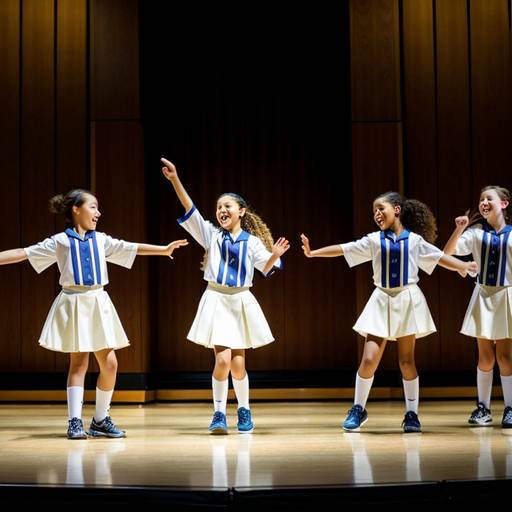
In this 60-minute music appreciation lesson for 4th graders, students will explore various musical genres from around the world. The session begins with a discussion about the importance of music in different cultures, encouraging students to share their experiences with global music. Students will listen to audio clips of diverse genres, identifying instruments, rhythms, and emotions evoked by each piece.
Following the listening activity, students will break into small groups to create simple body percussion rhythms inspired by their assigned genre, which they will present to the class. To enhance their creative expression, students will then draw scenes inspired by the music they heard or design an imaginary cultural festival that could feature the music.
The lesson concludes with a reflection on the day’s activities and an opportunity for students to share their artwork. Assessment focuses on participation, creativity, and the ability to articulate thoughts on the music. Extension ideas include inviting a local musician for a demonstration and organizing a "World Music Day" for students to share music from various cultures. This lesson fosters an appreciation for musical diversity and cultural significance through active engagement and creative expression.
In this 4th-grade music appreciation lesson, students will explore various music genres, including classical, jazz, rock, pop, and world music. The lesson begins with a discussion on the importance of music and personal favorites, followed by listening to short audio clips of each genre. Students will share their thoughts and feelings about the music, leading to a collaborative chart that highlights the characteristics of each genre.
In small groups, students will engage in a creative activity where they create visual collages representing their assigned genre, incorporating key traits, instruments, and notable artists. Each group will then present their collage to the class, fostering communication and teamwork. To conclude the lesson, students will reflect individually on their favorite genre through a worksheet, articulating their preferences and reasons.
Assessment will be based on participation, the quality of the collages, and the reflections submitted by each student. Additionally, students will be encouraged to contribute their favorite songs to a class playlist for future enjoyment, reinforcing the lessons learned about music diversity and appreciation.