
Filters
Level
Grade
Subject
Subject Area
Subject Topic
Standard(s)
Audience
Keyword
DurationMinutes
4th Grade Equivalent Fractions Lesson Plans

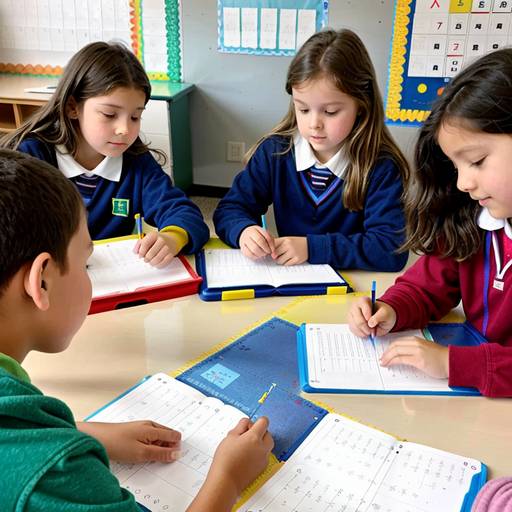
In this fourth-grade math lesson, students will explore the concepts of fractions and equivalent fractions. The class will begin with an introduction to fractions, using visual aids like fraction circles to illustrate how fractions represent parts of a whole. Following this, the lesson will focus on equivalent fractions, demonstrating how different fractions can represent the same value.
Students will engage in a hands-on activity where they will work in pairs to create and identify equivalent fractions using fraction circles or paper plates. After this collaborative exploration, they will complete a worksheet individually, reinforcing their understanding of the concepts covered.
The lesson will conclude with a review and discussion, allowing students to share their insights. For homework, they will be tasked with finding equivalent fractions in everyday items at home. Throughout the lesson, assessment will occur through observation, worksheet reviews, and student discussions, ensuring that all learners are engaged and understanding the material. Differentiated support will be provided as needed, and opportunities for extension activities will also be included.
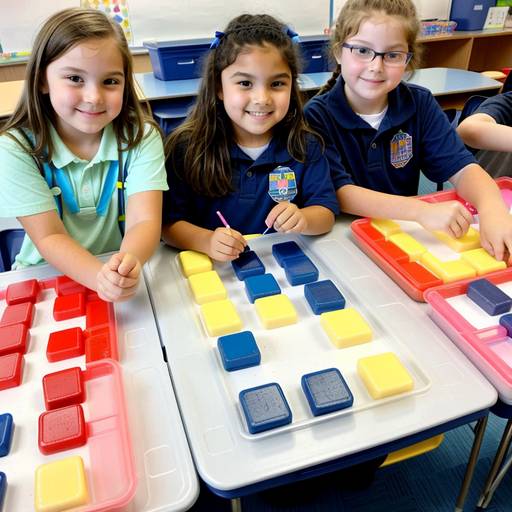
This lesson plan focuses on helping 4th-grade students understand fractions and identify equivalent fractions. The lesson begins with an engaging question about fractions using a relatable example, setting the stage for the learning objectives. Students are introduced to the basic concepts of fractions, including numerators and denominators, followed by an explanation of equivalent fractions with visual aids.
In the guided practice section, students create equivalent fractions using paper plates, allowing them to visually see and record their findings. An independent practice worksheet reinforces their understanding by challenging them to identify and create equivalent fractions on their own. The lesson concludes with a review of key concepts and an optional bingo game that serves as a fun way to assess their comprehension.
Extensions are provided for advanced learners, while additional support strategies are suggested for those who may struggle with the material. The teacher will reflect on the effectiveness of the lesson, considering student engagement and understanding for future improvements. Overall, the lesson integrates hands-on activities, visual aids, and collaborative learning to foster a solid grasp of fractions and equivalency.