
Filters
Level
Grade
Subject
Subject Area
Subject Topic
Standard(s)
Audience
Keyword
DurationMinutes
4th Grade Narrative Writing Lesson Plans


In this 4th-grade language arts lesson, students will explore narrative writing by focusing on the essential elements of storytelling: character, setting, and plot. The lesson begins with a discussion about favorite stories to generate interest and identify narrative components. A mini-lesson will provide a deeper understanding of each element, using examples from literature and media. Students will then participate in guided brainstorming with a story prompt, allowing them to develop their own ideas independently. They will create the outlines for their narratives and begin drafting stories, emphasizing the use of descriptive language. To conclude the lesson, students will share their ideas with peers and reflect on their writing experiences, highlighting what they enjoyed and any challenges faced. Assessment will include reviewing students' outlines and narratives to gauge their understanding of narrative structure. Homework will require students to finalize their stories for a future storytelling activity. Optional extension activities include creating illustrations and pairing students for peer feedback.
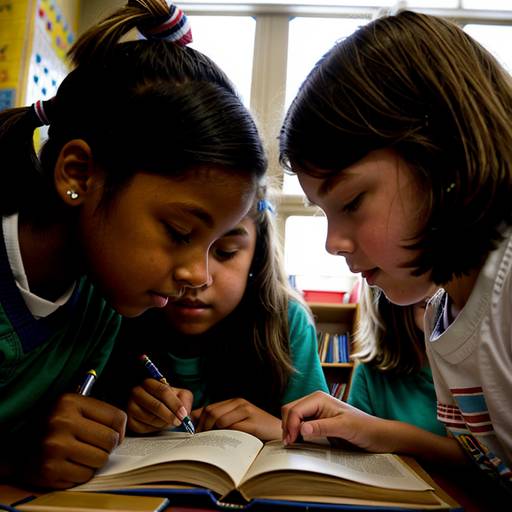
In this 4th-grade language arts lesson, students will explore the key components of narrative writing, including character, setting, plot, conflict, and resolution. The lesson begins with a class discussion about the elements that make their favorite stories enjoyable, followed by direct instruction on narrative components. Students will engage in guided practice by brainstorming a story as a class and using a graphic organizer to outline their ideas. They will then independently draft their own narratives, focusing on developing their stories based on the planned elements. The lesson concludes with sharing story ideas and providing a rubric for future reference. Assessment will be based on the completed graphic organizers and narratives, with opportunities for differentiation to support varying student needs. Overall, students will gain confidence in their storytelling abilities and creativity.
In this 4th-grade language arts lesson, students will learn about narrative writing by exploring its key elements, including characters, setting, plot, conflict, and resolution. The lesson begins with a read-aloud of a picture book or short story to engage students and highlight these components. Following a direct instruction segment, students work in pairs to brainstorm and outline their own story ideas using a graphic organizer. Each student then writes an independent narrative based on their outlines, focusing on descriptive language and clear sequence of events. The lesson concludes with selected students sharing their stories aloud, fostering a supportive environment for peer feedback and reflection on the writing process. Assessment includes observation of participation and review of written narratives to evaluate understanding of narrative elements. Differentiation strategies and extension activities are included to meet diverse student needs and encourage further creativity.
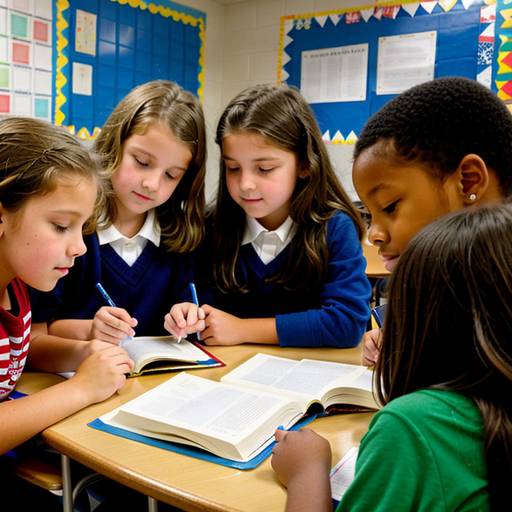
In this fourth-grade Language Arts lesson, students will explore the elements of narrative writing, focusing on characters, setting, conflict, and resolution. The lesson begins with a discussion about favorite stories, identifying key components that make them memorable. Following this, the teacher will introduce the components of narrative writing through direct instruction and guided practice, where students work in pairs to brainstorm and outline their own story ideas using storyboard templates. Afterward, students will independently write short stories based on their outlines, incorporating descriptive language and dialogue. The lesson concludes with opportunities for students to share their stories and engage in peer discussion. Assessment will involve monitoring participation and collecting the storyboards and written stories while providing differentiation to support varying skill levels. Extensions include activities such as illustrating stories or creating a class anthology to engage students further.