
Filters
Level
Grade
Subject
Subject Area
Subject Topic
Standard(s)
Audience
Keyword
DurationMinutes
4th Grade Reading Fluency Lesson Plans

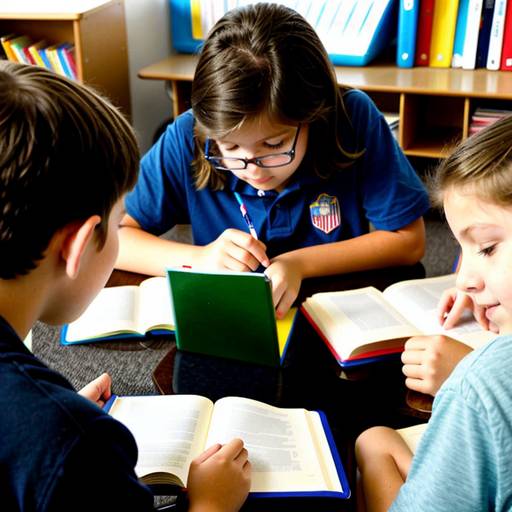
In this 4th-grade Language Arts lesson, students focus on improving their reading fluency through collaborative activities. The lesson begins with a discussion about reading fluency and a modeling session where the teacher demonstrates fluent reading. Students are then paired up and engage in a timed reading exercise, taking turns reading a selected text while providing feedback to each other using fluency tracking sheets.
After practicing their reading, the class reconvenes to discuss the text, answering comprehension questions that require them to reference specific details. Students complete a written response to further demonstrate their understanding of the material. Throughout the lesson, teachers monitor students’ progress and provide support as needed.
The lesson aims for students to leave with enhanced reading skills and a better understanding of the text, while also encouraging them to continue practicing their reading fluency at home. Differentiation strategies are included to cater to varying reading levels among students.
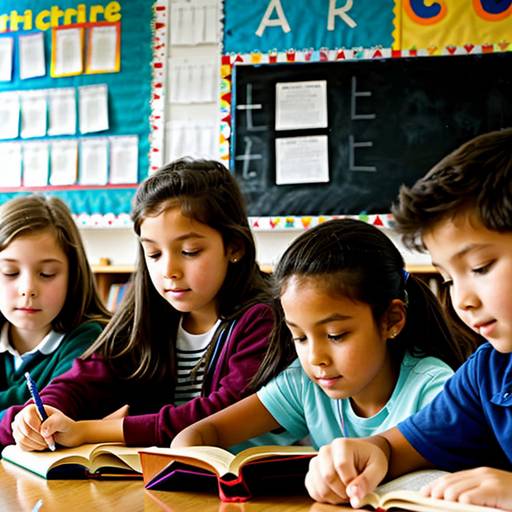
This 4th Grade Language Arts lesson focuses on enhancing students' reading fluency through interactive, collaborative activities. The lesson begins with a discussion about the qualities that make storytelling captivating, followed by a demonstration of fluent reading. Students then engage in partner reading, where they take turns reading short passages aloud while providing feedback to one another using a fluency checklist. After practicing together, students choose a new passage for independent reading and reflect on their understanding and experiences through writing. The lesson concludes with a group discussion about their reflections and previews an upcoming activity that will further develop their expressive reading skills. Overall, this lesson emphasizes the importance of fluency in reading and comprehension while fostering a supportive learning environment.
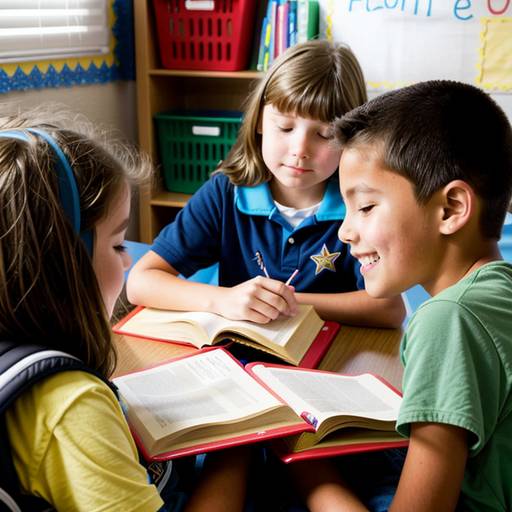
This 4th-grade language arts lesson focuses on enhancing students' reading fluency and comprehension skills through a series of engaging activities. The lesson begins with an introduction to reading fluency, followed by a teacher-led reading of a selected text to model fluent reading. Students then work in pairs to read the text aloud, practicing their pacing and expression while utilizing a fluency checklist for feedback.
After this collaborative practice, each student participates in a timed individual reading session, where they track their words read correctly to monitor their improvement. A class discussion on comprehension follows, where students answer questions regarding the text’s main ideas and character traits.
To conclude, students engage in peer feedback, sharing their experiences and offering constructive critiques based on their performance. Differentiation strategies are provided to meet various learning needs. Throughout the lesson, students are encouraged to reflect on their reading experiences and consider ways to continue developing their fluency skills beyond the classroom.
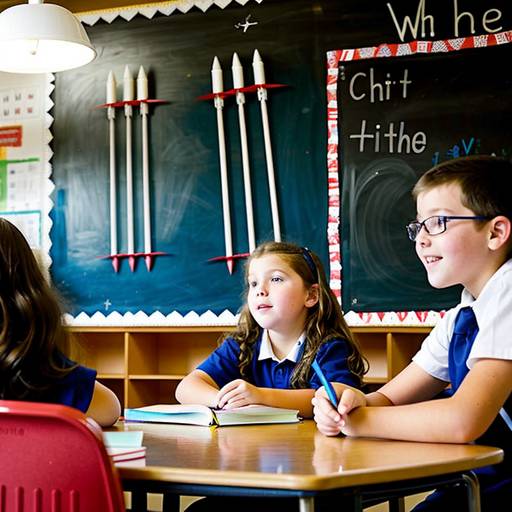
This 4th Grade Language Arts lesson focuses on enhancing students' reading fluency through engaging activities and strategies. The lesson begins with an introduction that highlights the importance of fluency, using a video of a professional reader to illustrate effective pacing and expression. Students are then taught various fluency strategies, including repeated reading, expressive reading, and paired reading.
During guided practice, students work in pairs to read assigned short passages, taking turns and providing feedback based on a Fluency Checklist. Following this, they engage in independent practice by recording themselves reading another passage and assessing their own fluency.
The lesson concludes with a group reflection where students share their experiences and set future fluency goals, reinforcing their understanding of the concepts learned. The teacher will assess participation, checklist completion, and exit tickets to gauge student learning outcomes. Adaptations are available for diverse learners, ensuring all students can engage effectively with the material. Opportunities for extension activities are also proposed, further promoting reading fluency development.