
Filters
Level
Grade
Subject
Subject Area
Subject Topic
Standard(s)
Audience
Keyword
DurationMinutes
4th Grade Art Forms Lesson Plans

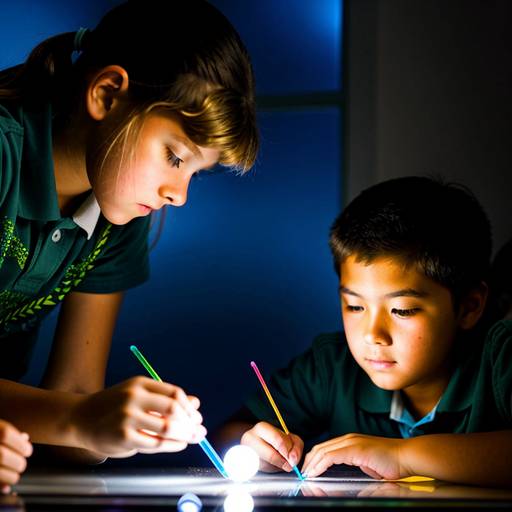
In this 4th-grade art lesson, students will explore the fascinating world of glass art and learn about the unique properties of glass, particularly how it interacts with light. The lesson begins with a discussion and visual presentation of various glass art forms, such as stained glass and blown glass. Students will then engage in a hands-on activity where they create their own artworks using colorful cellophane and plastic sheets, simulating the effects of light and color found in glass art.
Through guided practice, students will sketch their design ideas and learn techniques for layering materials to achieve depth and vibrancy. As they work independently, they will finalize their projects and observe how light reveals the beauty of their creations. The lesson concludes with a sharing session where students present their artwork, explaining their design choices and reflecting on their learning experience.
The lesson emphasizes creativity, critical thinking, and an appreciation of art while providing opportunities for future exploration and connection to local art resources. Adjustments and extensions are available to accommodate different skill levels and enhance the learning experience.
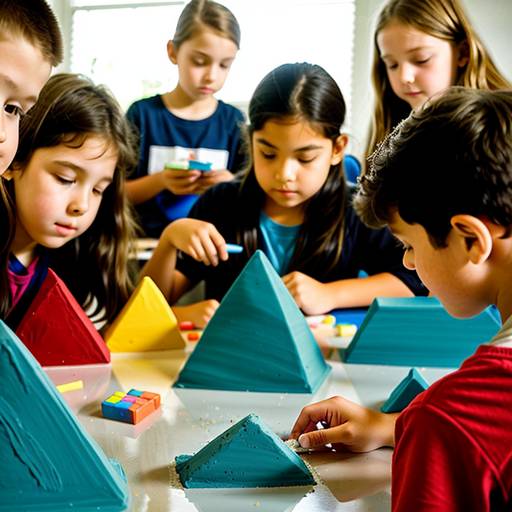
In this 4th-grade art lesson focused on ceramics, students will explore various art forms by creating their own unique clay sculptures. The lesson begins with an introduction to ceramics, including a discussion of shapes and textures, accompanied by visual examples from art history. After demonstrating basic hand-building techniques such as pinching, coiling, and slab building, students will have the opportunity to design and construct their own sculptures using these techniques.
Throughout the creation process, students will be encouraged to brainstorm and sketch ideas, applying their newfound skills to bring their artistic visions to life. The lesson includes time for clean-up and concludes with a sharing session where students present their creations and reflect on what they’ve learned about forms, functions, and the techniques employed. This engaging hands-on experience will inspire students to express their creativity while deepening their understanding of three-dimensional art.
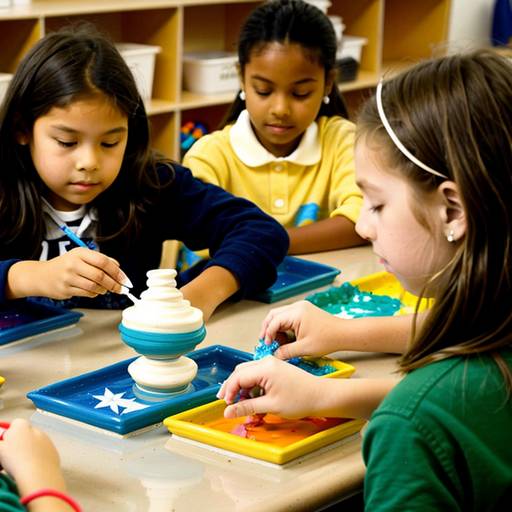
In this 4th-grade art lesson plan, students will explore the art form of ceramics by creating their own clay sculptures. The lesson spans two class periods, starting with an introduction to ceramics, discussing its cultural significance, and showcasing various ceramic art forms. After a demonstration of basic hand-building techniques such as pinching, coiling, and slab-building, students will brainstorm their ideas and sketch their designs.
In the first class, students will begin working with clay, applying the techniques demonstrated while expressing their creativity. In the second class, they will refine their projects and, depending on the type of clay used, either paint their creations or learn about glazing for kiln-fired pieces. The lesson culminates in a presentation session where students will share their works and insights regarding their artistic process, fostering an understanding of personal expression in art. Assessment will focus on participation, the final sculpture, and the presentation.
Extensions include organizing a classroom art exhibit to showcase the students' finished sculptures and exploring more advanced ceramic techniques in future lessons.
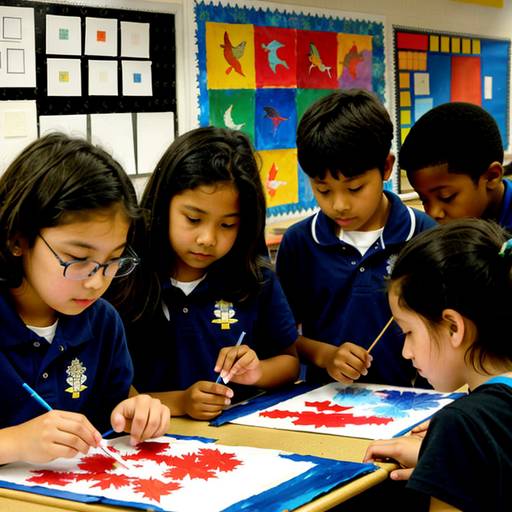
In this art lesson plan for 4th graders, students will explore printmaking techniques, focusing specifically on relief printmaking. The lesson spans two sessions, beginning with an introduction to the art form and its historical significance. Students will learn how to create their own designs using Styrofoam sheets, rolling paint onto these designs with brayers to produce prints. In the second session, they will enhance their work by incorporating various texture tools to add depth and patterns to their prints. The class will encourage creativity and experimentation, allowing students to produce multiple prints and share their experiences. The plan includes assessments based on participation, creativity, and technique, as well as an extension activity to create a classroom gallery of their artwork. Overall, this lesson fosters artistic expression while teaching important concepts in printmaking.
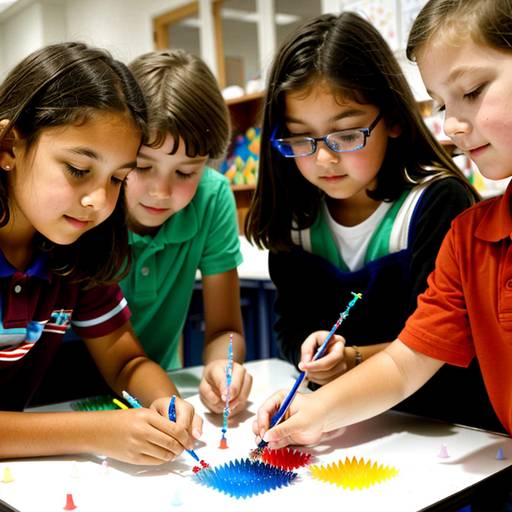
This lesson plan for 4th-grade students focuses on exploring the art form of glass, highlighting its history and significance. The plan spans two class sessions, during which students engage in discussions about various forms of art and learn about famous glass artists and their works.
In the first session, students create their own glass-inspired artwork using colorful cellophane and cardstock to mimic stained glass windows. They are encouraged to express their creativity while developing their fine motor skills.
The second session involves students finishing their projects and displaying them under a light source to see how the colors and designs change. A reflection discussion allows for sharing thoughts and experiences related to the project, fostering a deeper understanding of glass art and its impact.
Assessment is based on student engagement, effort, and creativity, while extension activities may include field trips or guest artist visits. Overall, the plan is designed to inspire appreciation for a unique art medium while encouraging self-expression.
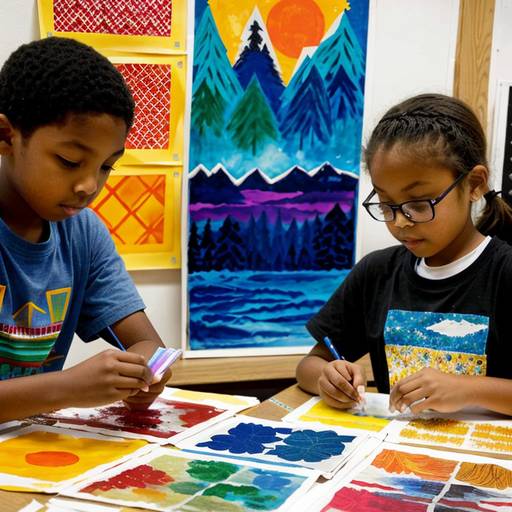
In this 4th-grade art lesson, students will explore the fascinating world of printmaking through nature-inspired creations. They will be introduced to the significance of printmaking as a form of artistic expression while examining patterns and textures found in the natural environment. The lesson begins with a discussion about printmaking techniques, followed by a demonstration of various methods, including the use of foam blocks and natural materials to create prints.
Students will engage in hands-on activities, producing multiple prints using their chosen techniques while experimenting with color and design. The lesson concludes with a mini art gallery walk, allowing students to showcase their work and discuss their favorite prints and the materials they used. Throughout the lesson, students will learn to reflect on their creative processes while enhancing their understanding of both art and nature. Assessment will focus on participation, engagement, and the originality displayed in their prints. Options for extension include incorporating scientific concepts related to the plants used in their artwork.
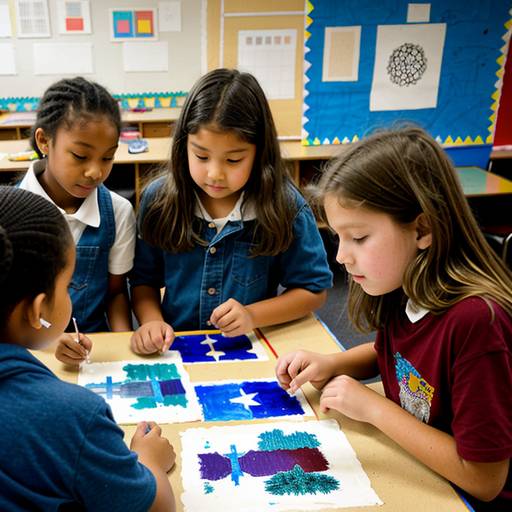
In this 4th-grade art lesson, students will explore the exciting world of printmaking through two primary techniques: relief printing and monoprinting. The lesson is designed over two class periods, beginning with a discussion that introduces the concept of printmaking and its various forms, followed by a demonstration of the relief printing process using Styrofoam trays. Students will have the opportunity to create their own relief prints, expressing their creativity through design and printing.
During the second class, the focus shifts to monoprinting, where students will learn to apply paint to smooth plates, experimenting with different textures and techniques to produce unique prints. Both activities emphasize hands-on learning and individual expression, culminating in a gallery display of the students' artworks.
Throughout the lesson, students will reflect on their artistic processes, sharing insights about their experiences and the techniques they used. The lesson aims to engage students in creative exploration, foster an appreciation for printmaking, and encourage them to consider how these techniques can be applied in various forms of art. Assessments will focus on participation and the creativity displayed in their printmaking projects, with opportunities for extension activities in future lessons.
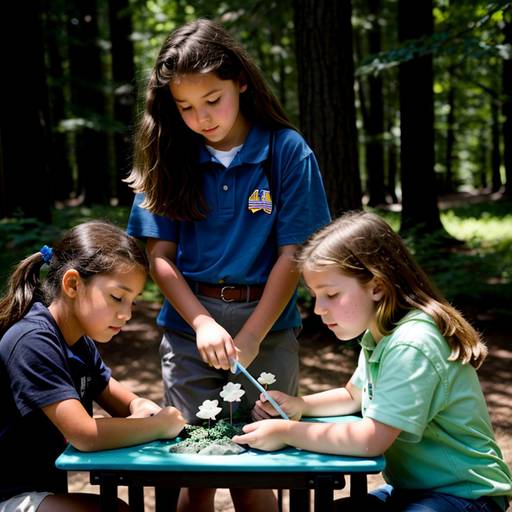
In this 4th-grade art lesson, students will delve into the world of ceramics by creating clay sculptures inspired by various plants and animals. The lesson spans two class periods, beginning with an introduction to the significance of ceramics in different cultures and an exploration of textures and forms in nature. Students will brainstorm and sketch their ideas before starting to sculpt their chosen flora or fauna, focusing on detail and form.
During the second class, students will finalize their sculptures and learn about painting and glazing techniques. They will apply their understanding of color and texture as they enhance their creations. The lesson culminates in a gallery walk where students can share their work with peers and reflect on the artistic process. This project fosters creativity, observation skills, and an appreciation for the natural world, integrating art with elements of science.
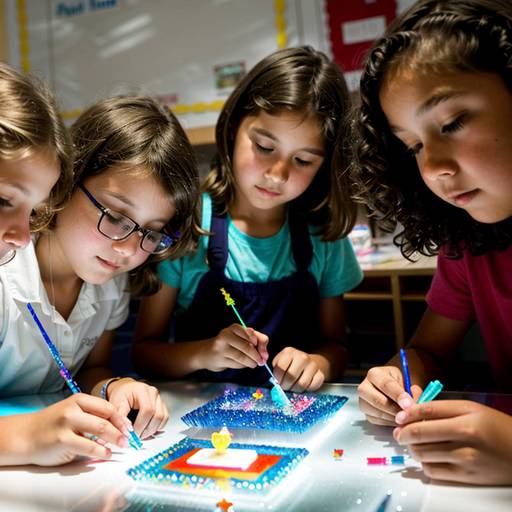
In this 4th-grade art lesson, students will explore the fascinating world of glass art by learning about various forms, such as stained glass, glass blowing, and glass fusion. The lesson begins with a discussion and visual presentation, showcasing different examples of glass art and highlighting the interplay of color and light. Following a demonstration on how to create their own glass art piece using colorful tissue paper and contact paper, students will engage in a hands-on activity where they cut and layer shapes to replicate the beauty of stained glass.
Throughout the process, students will develop their fine motor skills and creativity while collaborating with peers. The lesson concludes with a sharing session, allowing students to present their artwork and reflect on their experiences. As an extension, students may display their creations and explore real-world applications of glass art. Overall, this lesson aims to inspire students' artistic expression while fostering an appreciation for this unique art form.
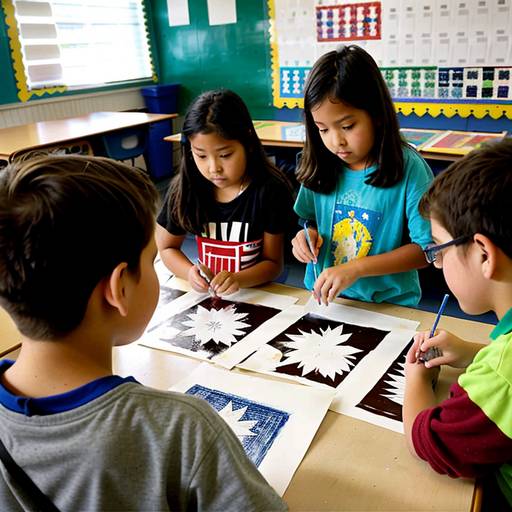
In this art lesson for 4th grade students, participants will explore the fundamentals of printmaking by creating their own stamps and using them to produce artistic prints that reflect personal stories or themes. The lesson is divided into two class periods.
During the first session, students will learn about printmaking techniques through discussion and demonstration. They will brainstorm ideas for their artwork and create sketches that focus on patterns and repetition. In the second session, students will transform their designs into stamps made from foam or potatoes, applying paint to print their creations onto paper.
The lesson emphasizes creativity, self-expression, and the narrative behind each student’s artwork. After printing, students will share their pieces with the class, discussing the themes and patterns present in their work. The teacher will assess students based on their participation, creativity, and craftsmanship, while providing feedback to encourage further interest in printmaking. Adaptations will be available for students with varying skill levels or physical disabilities to ensure inclusive participation in the art-making process.