
Filters
Level
Grade
Subject
Subject Area
Subject Topic
Standard(s)
Audience
Keyword
DurationMinutes
3rd Grade Gymnastics Lesson Plans

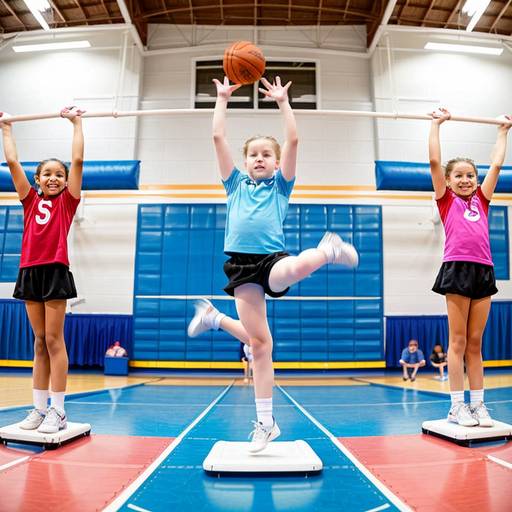
In this 3rd-grade physical education lesson, students engage in a 60-minute session focused on developing basic gymnastics skills such as balance, coordination, and flexibility, all within a sports context. The lesson begins with dynamic stretching and movement to music to warm up the body. Students then learn and practice balance exercises, including walking on a low beam and performing forward and backward rolls on gym mats.
The main activity consists of an obstacle course designed to incorporate various stations, such as hula hoop jumps, cone weaving, and balance challenges. Students work in teams and participate in relay races, promoting teamwork and cooperation. The lesson concludes with a cool-down period featuring deep breathing and light stretching, followed by a class discussion reflecting on their experiences and learnings. Throughout the activities, students are observed for their skills and participation, ensuring a fun and dynamic approach to physical fitness and gymnastics fundamentals.
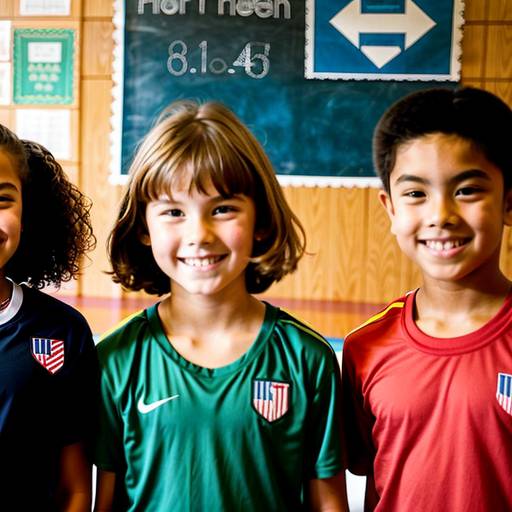
In this 60-minute physical education lesson designed for 3rd graders, students will engage in a variety of activities that blend basic sports skills with introductory gymnastics movements. The session begins with dynamic stretching and a movement activity to build agility.
Students rotate through four stations focusing on different skills: walking on a balance beam to improve balance, practicing basketball shooting to develop accuracy, executing forward and backward rolls on gym mats to enhance body control, and participating in a relay race to foster teamwork.
After the main activities, students will gather for a cool-down session with group stretches. The lesson concludes with a reflection period where students can share their experiences and what they've learned about sportsmanship and teamwork. Throughout the session, the instructor will monitor progress and encourage self-assessment and peer feedback to reinforce both skill development and positive engagement.
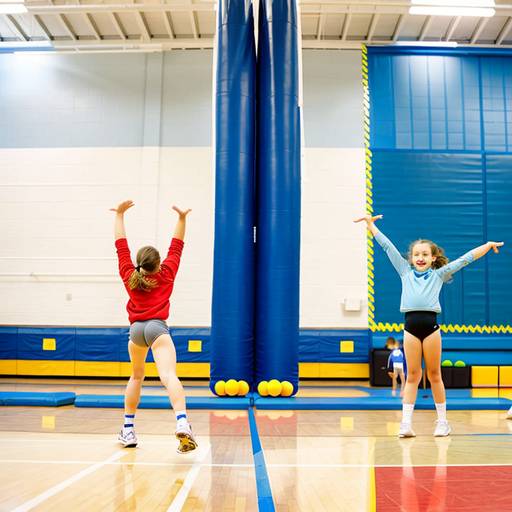
This 3rd-grade physical education lesson focuses on engaging students in a variety of sports and gymnastics activities designed to enhance their teamwork, coordination, and physical fitness. The session begins with dynamic stretching and animal walks for a warm-up, followed by an introduction explaining the day's activities.
Students will then participate in sports skills stations, where they practice hula hoop tossing, cone dribbling, and jump rope techniques. Each station lasts for five minutes, allowing students to rotate and develop different skills. Next, they explore basic gymnastics movements, including balance beam challenges, forward rolls, and simple poses, enhancing their balance and flexibility.
The lesson concludes with a cool down involving guided breathing exercises and a sharing circle where students reflect on their experiences. Assessment is based on student participation and skill demonstration, while extensions encourage creativity and application of learned skills in future performances. Overall, the lesson aims to foster a love for physical activity and develop foundational movement skills.
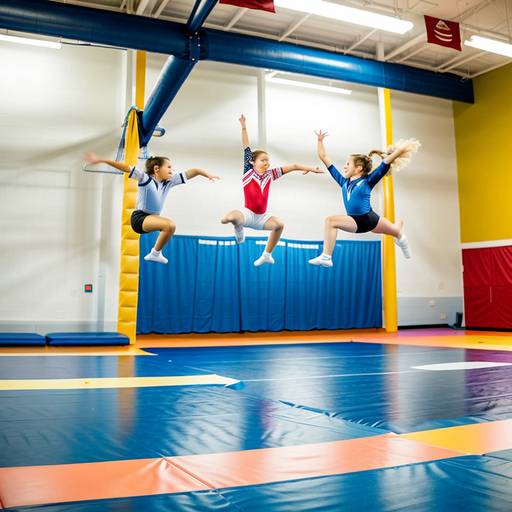
This 3rd-grade physical education lesson focuses on introducing students to basic gymnastics movements and promoting teamwork through simple sports activities. The session begins with a dynamic warm-up to prepare students for physical activity, followed by an explanation of the gymnastics skills to be practiced. Students engage in skill stations where they rotate through various exercises, including forward rolls, jumps, cartwheels, and balance practice on mats.
Following the gymnastics portion, students are divided into teams to participate in a fun, collaborative game that emphasizes communication and strategy. The lesson concludes with a cool-down period involving gentle stretching and a reflection discussion, allowing students to share their experiences and insights. Throughout the lesson, the importance of safety, collaboration, and enjoyment in physical activities is highlighted, creating a supportive and engaging environment for all participants. Assessment is based on observation and informal questioning to gauge participation and understanding.