
Filters
Level
Grade
Subject
Subject Area
Subject Topic
Standard(s)
Audience
Keyword
DurationMinutes
3rd Grade Music Theory Lesson Plans


In this music lesson for 3rd-grade students, the focus is on understanding music theory with an emphasis on rhythm and beats. The session begins with a warm-up clapping activity to introduce the concepts of beat and rhythm, highlighting how the beat serves as the foundation of music. Students then learn about quarter and eighth notes, identifying their values and how they can be combined to create rhythm patterns.
Through guided practice, students work in small groups to clap out rhythms from flashcards, fostering collaboration and active participation. They also engage in independent practice by completing worksheets with rhythm patterns to reinforce their understanding. The lesson concludes with a share-out session where students reflect on what they learned, followed by a fun rhythm game that encourages creativity in developing their own patterns. Throughout the lesson, student comprehension is informally assessed through observation and worksheet review, with opportunities for extension into cultural rhythms using percussion instruments.
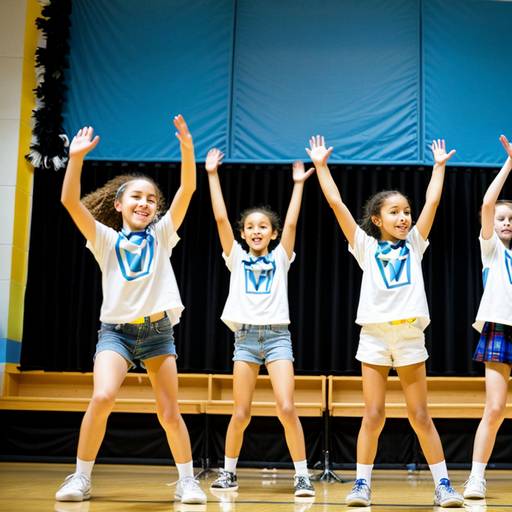
In this 45-minute music lesson for 3rd graders, students will explore the concept of dynamics, focusing on loud and soft sounds in music. The lesson begins with a discussion about dynamics, introducing key terms such as piano (soft), forte (loud), mezzo-piano, and mezzo-forte. Students will practice these concepts through movement activities, where they express dynamics by moving energetically for loud sounds and gently for soft sounds, coordinated with varying music selections.
Next, the class will engage in vocal exercises using a familiar song, taking turns singing at different dynamic levels to understand how dynamics can change the mood of a piece. The lesson further includes a group percussion ensemble, where small groups of students are assigned different dynamic levels to perform together, reinforcing their understanding through collaborative music-making.
Finally, the lesson concludes with a reflection on the importance of dynamics in music and encourages students to listen for these changes in their favorite songs at home. Assessment will be based on students' participation and demonstration of dynamic concepts throughout the activities. Extension ideas include a homework assignment that involves listening to music and identifying dynamic changes. Overall, the lesson effectively combines music theory and physical activity to deepen understanding of musical dynamics.
In this engaging music lesson for 3rd graders, students will explore the concepts of musical dynamics, focusing on the terms loud (forte) and soft (piano) as well as the effects of crescendo and decrescendo. The lesson begins with a brief discussion and introduction of terminology, followed by a listening activity where students analyze sound excerpts to identify dynamics and their emotional impact.
Next, students will work in small groups using percussion instruments to create their own short musical pieces, incorporating dynamic variations. Each group will perform for the class, demonstrating their understanding of dynamics and sharing how these elements enhance their performances.
The lesson concludes with a reflection where students revisit key terms and share their favorite parts of the experience. They will also complete worksheets featuring dynamic symbols for further reinforcement. Observations during group work, performances, and the completed worksheets will serve as assessment tools to gauge students’ understanding of music dynamics. Accommodations will be made for those needing different forms of expression, ensuring all students can participate meaningfully.
In this 45-minute music lesson for 3rd graders, students will explore the concept of dynamics in music, learning about the terms forte (loud), piano (soft), mezzo forte (moderately loud), and mezzo piano (moderately soft). The lesson begins with an engaging discussion about dynamics, followed by a listening activity where students identify these dynamic changes in various musical clips.
Students will then break into small groups to create and present rhythm patterns using different dynamics with instruments provided. Afterward, they'll engage their voices in a creative exercise where they compose a short musical phrase that incorporates at least two dynamics, using movement to illustrate the changes.
The lesson concludes with a class discussion that highlights how dynamics influence the emotional expression in music. Student participation, both in group activities and their presentations, will be observed to assess their understanding and implementation of dynamics. For an extension, students will be encouraged to identify dynamics in their favorite songs and share their findings in the next class.
In this engaging music lesson for 3rd-grade students, the focus is on understanding and applying the concept of dynamics in music. The lesson begins with an introduction to various dynamic terms, such as piano, forte, mezzo-piano, and mezzo-forte, allowing students to grasp how these terms indicate the loudness or softness of music.
Following the introduction, students participate in a listening activity where they identify dynamics in different musical pieces, fostering their listening skills and awareness of emotional impacts in music. They then engage in a hands-on activity using percussion instruments to create their own rhythm compositions, intentionally incorporating varied dynamics.
To further reinforce their understanding, students participate in a movement exercise where they act out different dynamic levels through dance, connecting physical expression with musical concepts. Finally, groups perform their compositions for their peers, allowing for discussion and reflection on the dynamics they employed and how these influenced their musical expression.
Throughout the lesson, students are assessed on their participation and understanding of dynamics, setting a foundation for future exploration of how dynamics relate to tempo and articulation in music.
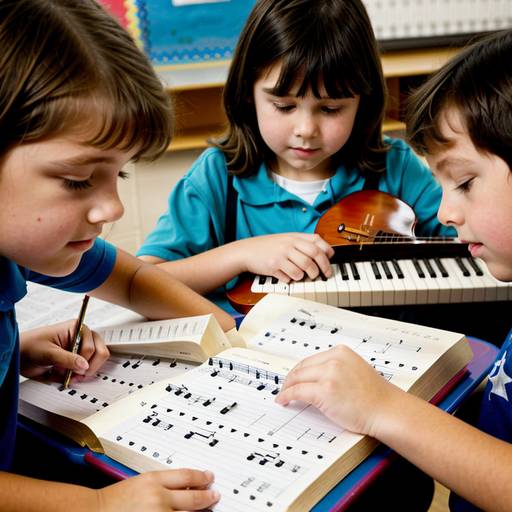
In this 50-minute lesson plan for 3rd graders, students will explore the basics of music theory by learning to identify and name fundamental musical notes, including whole notes, half notes, quarter notes, and eighth notes, as well as understanding their values. The lesson begins with a discussion about music and the importance of note names, followed by an interactive matching game where students pair note symbols with their names in small groups.
Next, students will create their own musical staff on printed worksheets, drawing and labeling different types of notes. The lesson includes a hands-on component, where students will play a simple melody on classroom instruments, reinforcing their understanding of note values in a musical context. To conclude, a quick oral quiz will assess students’ knowledge of the note names and values, and optional recording of their performance may be included for further assessment.
Extensions and reflection opportunities are provided to enhance learning and gather student feedback. This engaging approach allows students to learn music theory actively while fostering creativity and collaboration.
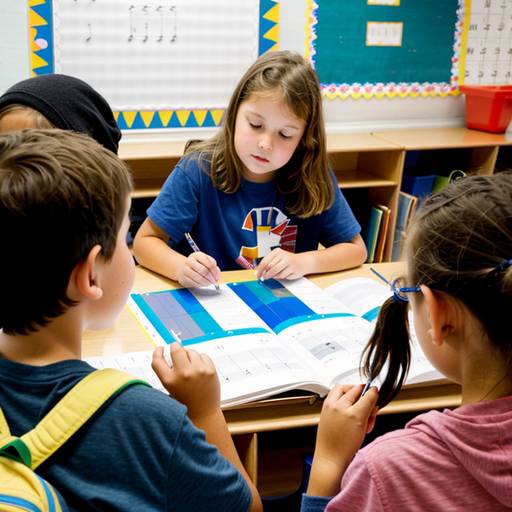
In this 45-minute music lesson for 3rd graders, students will explore basic rhythm patterns using whole notes, half notes, quarter notes, and eighth notes. The lesson begins with a clapping warm-up to introduce rhythm and its significance in music. Students will learn to identify different types of notes and their corresponding beat values, reinforced through rhythmic clapping exercises alongside a metronome.
After a direct instruction segment, students will be divided into small groups to create their own 4-beat rhythm sequences using at least three types of notes. Each group will then perform their rhythm for the class, using body percussion or percussion instruments. The lesson concludes with a discussion to reflect on their creations and what they learned about rhythm and collaboration. Observations during performances serve as informal assessments, providing feedback and encouraging creativity. Extensions for advanced learners and key vocabulary terms are also included to enhance understanding and engagement.

In this 3rd-grade music lesson, students will explore fundamental concepts of music theory, specifically focusing on identifying and naming musical notes on the staff. The lesson begins with a warm-up activity where students collectively sing a familiar song, reinforcing their engagement.
Throughout the session, students will create their own staff and label the notes, participate in a flashcard relay race to match note names with their positions on the staff, and play a game of bingo using note names. These activities promote teamwork and active learning.
The lesson concludes with a review of key concepts, encouraging students to share what they learned and connecting their knowledge to real music. As a follow-up, students will be invited to practice writing notes at home or identifying them in music they enjoy, solidifying their understanding in a fun and interactive way. Assessment will focus on student participation and their ability to recognize note names during activities. Adaptations can be made for future lessons based on student feedback and engagement.
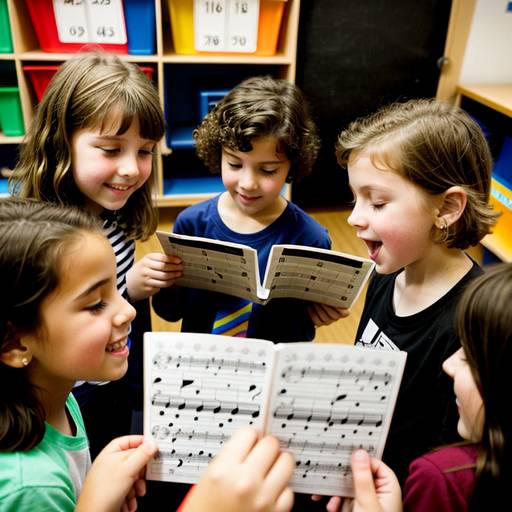
In this engaging music theory lesson for 3rd-grade students, the focus is on helping them identify and name basic musical notes (A, B, C, D, E, F, G) and understand the structure of a musical staff and treble clef. The lesson begins with an introduction to the significance of music and the basics of the staff, including the placement of notes. Students participate in an interactive game, "Note Name Relay," where they work in groups to identify notes by collecting flashcards and representing them accurately on the staff.
Following the game, students complete worksheets to reinforce their understanding of note names and staff positions. The lesson concludes with a review of key concepts, encouraging students to share their thoughts and emphasizing the importance of practicing at home. Assessment is based on participation and worksheet completion, and possible extensions include introducing basic rhythms and encouraging instrument play. Overall, the lesson creates a dynamic and supportive learning environment for foundational music theory.
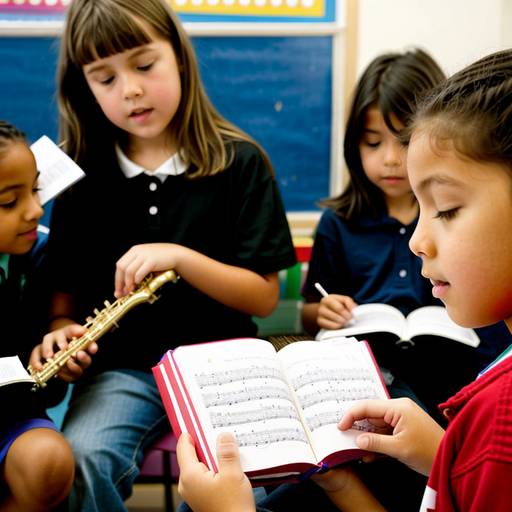
In this 3rd-grade music lesson, students will explore the fundamentals of music theory, specifically focusing on identifying and naming basic musical notes: whole notes, half notes, and quarter notes. The lesson begins with an interactive discussion to introduce these notes and their corresponding beats.
Students will participate in a fun game utilizing flashcards to reinforce their understanding, clapping and tapping out rhythms as they identify each note. They will then practice with percussion instruments, playing along to a steady beat and applying their knowledge of rhythms.
To further solidify their learning, students will complete worksheets that challenge them to identify note names and draw notes based on given rhythms. The class will conclude with a group reflection, allowing students to share their insights and favorite activities from the lesson. The assessment will be based on observational evaluations during activities and the completion of worksheets, ensuring that each student reaches a foundational understanding of musical note names and rhythms. Extensions and accommodations will be provided to enhance learning for all students.