
Filters
Level
Grade
Subject
Subject Area
Subject Topic
Standard(s)
Audience
Keyword
DurationMinutes
3rd Grade Temperature Lesson Plans

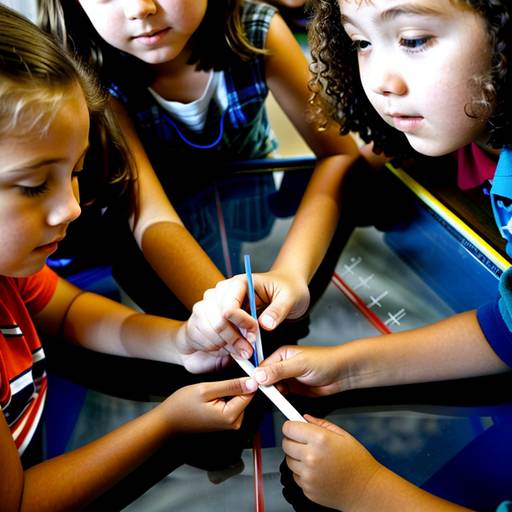
This 3rd-grade math lesson focuses on the concepts of measurement, specifically length and temperature. Students will learn how to measure objects using rulers in both inches and centimeters, and understand how to read temperatures using thermometers, distinguishing between Fahrenheit and Celsius.
The lesson begins with an engaging discussion about measurement in everyday life, followed by direct instruction that demonstrates the proper use of measurement tools. Students will then participate in guided practice by measuring various classroom objects and recording temperature readings from liquids.
Following this, learners will independently complete a worksheet that includes measuring items and converting temperature between Fahrenheit and Celsius. The lesson concludes with a group discussion to review findings and reinforce the importance of measurement in daily activities. Assessment will be based on observation and worksheet completion, with extensions available for further exploration of measurement concepts. Overall, this lesson aims to provide a hands-on and interactive learning experience that enhances students' understanding of measurement.
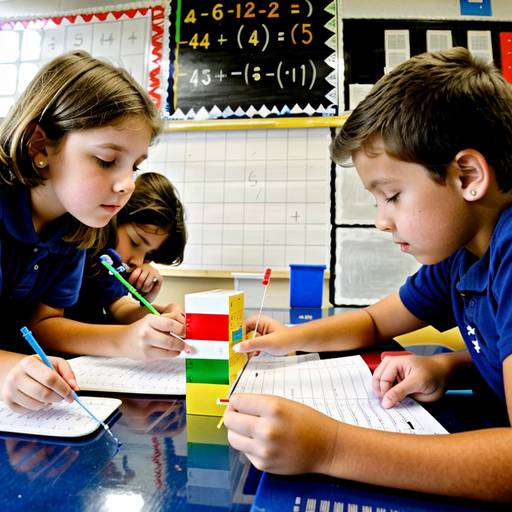
In this third-grade math lesson, students will explore the concepts of measurement and temperature through hands-on activities. The lesson begins with an introduction to thermometers and the different temperature scales, Celsius and Fahrenheit. Following a demonstration of how to read a thermometer using various liquids, students will work in small groups to measure and record the temperatures of ice water, room temperature water, and hot water. After sharing their findings in a class discussion, students will practice converting temperatures between Celsius and Fahrenheit with individual worksheets. The session concludes with a reflection where students share one new thing they learned, allowing for reinforcement of concepts and evaluation of understanding. This interactive approach ensures that students gain practical experience with measurement while connecting the topic to real-world applications.