
Filters
Level
Grade
Subject
Subject Area
Subject Topic
Standard(s)
Audience
Keyword
DurationMinutes
3rd Grade Symmetry Lesson Plans

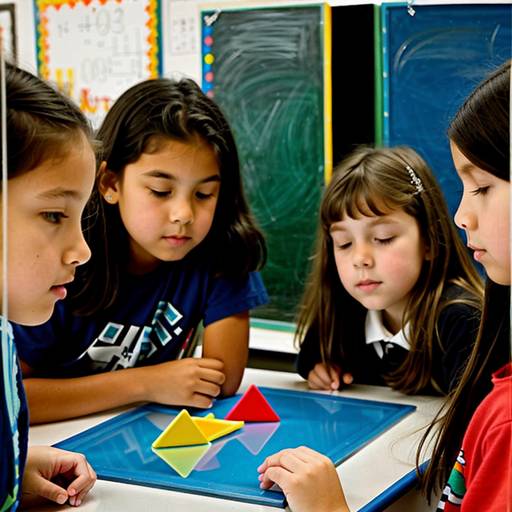
In this engaging 3rd-grade math lesson focused on geometry and symmetry, students will explore the concepts of symmetrical and asymmetrical shapes. The lesson begins with a discussion about symmetry using real-life examples displayed on a poster, followed by defining key vocabulary related to symmetry.
Through a demonstration on the whiteboard, students will learn how to identify lines of symmetry in various geometric shapes while participating in a sorting activity. Guided practice includes using mirrors to draw symmetrical designs, where students will see firsthand how one side of their artwork mirrors the other.
Independent practice features a worksheet where students will identify symmetrical shapes, draw their own, and create colorful designs using shape cut-outs. To conclude, the lesson recaps symmetry’s importance, and students will complete an exit ticket reflecting on examples of symmetry they observe in their environment.
Assessment includes monitoring student participation and reviewing their worksheets and designs. The lesson also offers extensions for advanced learners, reinforcing and deepening their understanding of symmetry concepts through interactive activities.
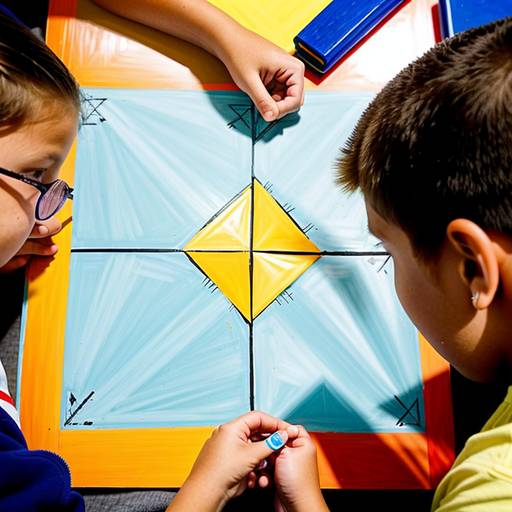
In this 3rd-grade mathematics lesson focused on geometry and symmetry, students will explore various geometric shapes and the concept of symmetry through interactive activities. The session begins with an engaging discussion about shapes found in everyday life, followed by a hands-on group activity where students sort geometric shapes based on their attributes.
Next, students will participate in an experiment using mirrors to help them identify symmetrical objects in the classroom, followed by a creative task where they draw their own symmetrical shapes on construction paper. The lesson concludes with a symmetry coloring worksheet, allowing students to reinforce their understanding of symmetrical shapes.
Throughout the lesson, students will collaborate, share findings, and engage with the concepts of geometry and symmetry, while their understanding will be assessed through observation and completed activities. Extensions are provided for advanced learners and support is available for those who need it, ensuring an inclusive learning environment. The session wraps up with students reflecting on their favorite shapes and what they learned about symmetry.
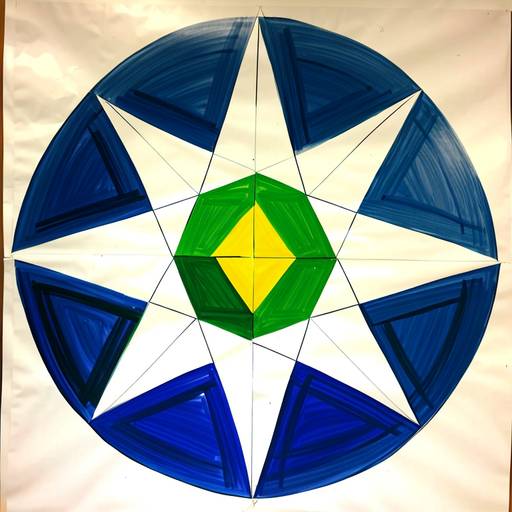
In this 3rd-grade math lesson, students will explore the concepts of geometry and symmetry through interactive activities and hands-on experiences. The lesson begins with a warm-up discussion where students share their understanding of symmetry and identify symmetrical objects in their environment. The teacher will review basic geometric shapes—circle, square, triangle, and rectangle—emphasizing their properties and demonstrating how to find lines of symmetry using drawings and, optionally, a mirror.
In guided practice, students will create their own geometric shapes on construction paper, draw their lines of symmetry, and collaborate with a partner to discuss their findings. For independent practice, students will design symmetrical creations using colored construction paper, ensuring their designs reflect symmetry through careful arrangement of shapes.
The lesson concludes with students presenting their symmetrical designs to the class, reinforcing their understanding through verbal explanation. Assessment will be based on observation during activities and the accuracy of their symmetrical creations. Extensions include encouraging students to find real-world examples of symmetry and creating a classroom art gallery to showcase their work. The lesson is designed to engage students with geometry in a fun and creative way.
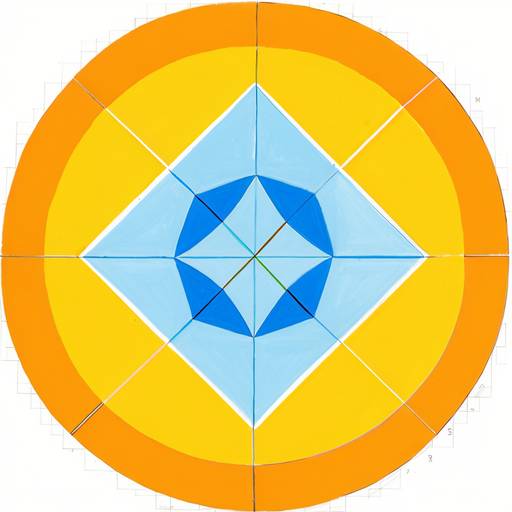
This 3rd-grade math lesson focuses on exploring geometric shapes and the concept of symmetry. The session begins with an introduction to various geometric shapes, followed by a clear explanation of symmetry through visual examples and a demonstration using a mirror. Students engage in guided practice by identifying symmetrical and asymmetrical shapes with provided materials, testing their hypotheses through folding.
During the independent activity, students create their own symmetrical designs using colored paper and markers, incorporating at least one line of symmetry. They then present their creations to the class, explaining the concept of symmetry in their designs. The lesson concludes with a review of key concepts and a discussion about the presence of symmetry in everyday life. Assessment occurs through observation during activities and evaluation of the students' designs. Extension activities provide opportunities for further exploration, including a symmetry scavenger hunt and challenges on rotational symmetry, fostering both understanding and creativity in geometry.