
Filters
Level
Grade
Subject
Subject Area
Subject Topic
Standard(s)
Audience
Keyword
DurationMinutes
3rd Grade Equivalent Fractions Lesson Plans

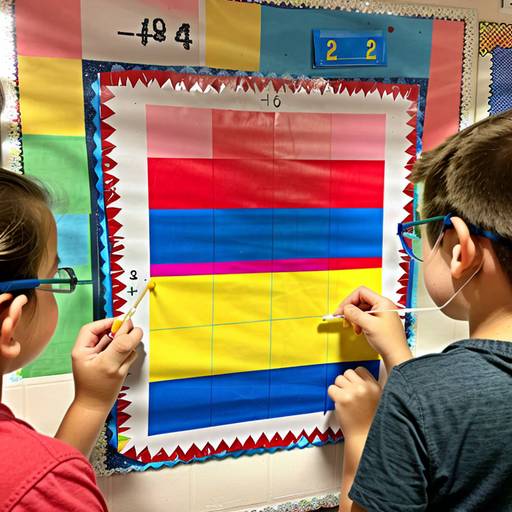
This lesson plan focuses on teaching 3rd-grade students about fractions and equivalent fractions through engaging activities and visual aids. The lesson begins with an introduction to the concept of fractions, encouraging students to share real-life examples. Key vocabulary, including numerator and denominator, is introduced.
During direct instruction, students learn about equivalent fractions using fraction circles and shapes to visualize how different fractions can represent the same amount. In guided practice, students work in small groups to create their own sets of equivalent fractions using craft materials, allowing them to explore the concept hands-on.
Independent practice involves worksheets featuring problems that challenge students to identify and create equivalent fractions. The lesson wraps up with a review and reflection, where students share what they've learned and complete an exit ticket to demonstrate their understanding. Assessment is based on group participation, worksheet performance, and exit ticket responses, with adaptations available to support diverse learners.
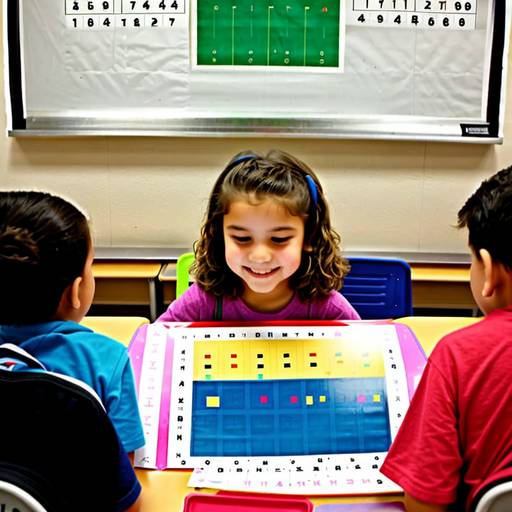
This lesson plan focuses on introducing 3rd-grade students to the concepts of fractions and equivalent fractions. The objective is to help students understand what fractions are, identify them, and recognize when different fractions represent the same value. The lesson begins with an engaging discussion on real-life experiences involving fractions, followed by a clear explanation of key terms such as numerator and denominator.
Students will explore fractions through hands-on activities using manipulatives like fraction circles or bars, allowing them to visualize and discover equivalent fractions in pairs. They will also complete worksheets that reinforce their understanding of equivalent fractions and participate in a creative art activity where they illustrate pairs of equivalent fractions on construction paper.
The lesson will conclude with students sharing their artwork with the class, providing an opportunity for them to explain their understanding. Assessment will be based on observation during group activities, correctness of worksheets, and creativity in the art project. Extensions may include interactive games and technology integration to further strengthen students' grasp of fractions.
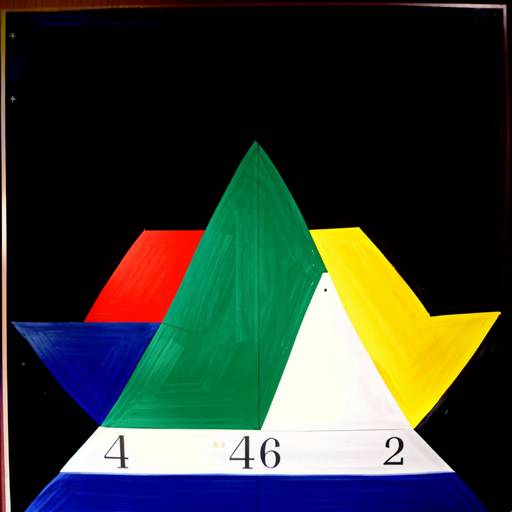
This lesson plan focuses on teaching 3rd-grade students the concept of fractions and equivalent fractions through engaging activities. The lesson begins with a discussion that introduces fractions as parts of a whole, illustrated using visual aids like pizza diagrams. Students learn to identify equivalent fractions by using fraction circles or bars, while direct instruction includes drawing equivalent fractions on the whiteboard and using a number line.
During guided practice, students collaborate in small groups, using fraction circles to explore and find various equivalent fractions, then sharing their findings with the class. The hands-on activity allows students to create their own fraction strips, cutting them into equal parts and labeling the corresponding fractions, which reinforces the concept of equivalence.
The lesson concludes with a recap of key points and assigns a homework worksheet to assess students' understanding. Throughout the lesson, various methods are employed to accommodate different learning levels, ensuring that all students are engaged and able to grasp the concepts effectively.
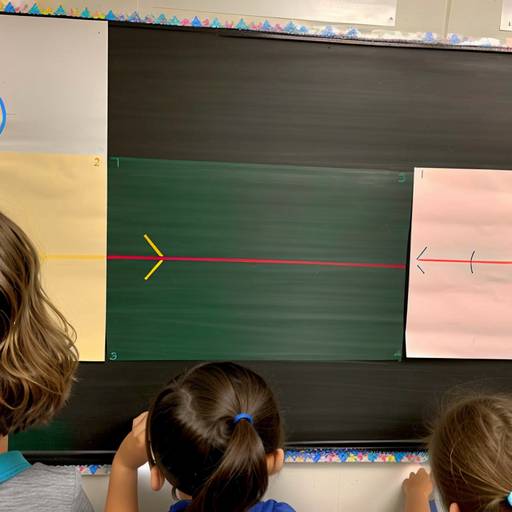
This lesson plan focuses on helping 3rd-grade students understand the concept of fractions and the importance of equivalent fractions. It begins with an engaging discussion about sharing food items, like pizza, to illustrate how fractions represent parts of a whole. Students then receive direct instruction on creating and identifying equivalent fractions using visual models, such as paper plates and fraction strips.
Guided practice involves students cutting their plates into different fractions and discussing their findings with peers. Independent practice reinforces learning through a worksheet containing fraction problems, where students identify and create equivalent fractions. The lesson concludes with a recap of the key concepts, where students share their insights, and an exit ticket that asks them to write down a pair of equivalent fractions they learned during the lesson.
The plan includes strategies for assessment by observing student participation and evaluating their worksheets. Additionally, differentiation is incorporated to provide support for students who need extra assistance and challenges for those ready to explore more complex fractions. Overall, the lesson fosters both understanding and engagement in the topic of fractions and equivalent fractions.