
Filters
Level
Grade
Subject
Subject Area
Subject Topic
Standard(s)
Audience
Keyword
DurationMinutes
3rd Grade Fractions Lesson Plans

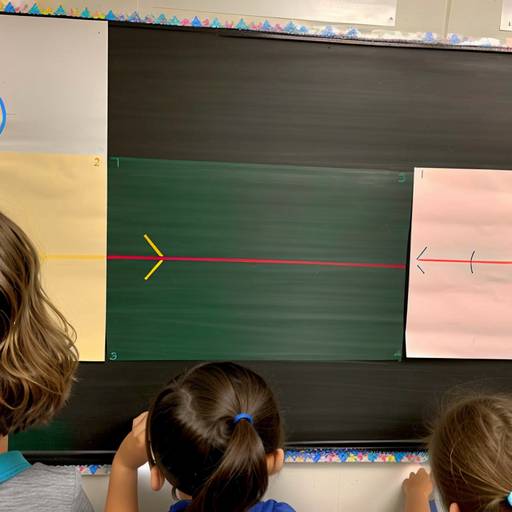
This lesson plan focuses on helping 3rd-grade students understand the concept of fractions and the importance of equivalent fractions. It begins with an engaging discussion about sharing food items, like pizza, to illustrate how fractions represent parts of a whole. Students then receive direct instruction on creating and identifying equivalent fractions using visual models, such as paper plates and fraction strips.
Guided practice involves students cutting their plates into different fractions and discussing their findings with peers. Independent practice reinforces learning through a worksheet containing fraction problems, where students identify and create equivalent fractions. The lesson concludes with a recap of the key concepts, where students share their insights, and an exit ticket that asks them to write down a pair of equivalent fractions they learned during the lesson.
The plan includes strategies for assessment by observing student participation and evaluating their worksheets. Additionally, differentiation is incorporated to provide support for students who need extra assistance and challenges for those ready to explore more complex fractions. Overall, the lesson fosters both understanding and engagement in the topic of fractions and equivalent fractions.
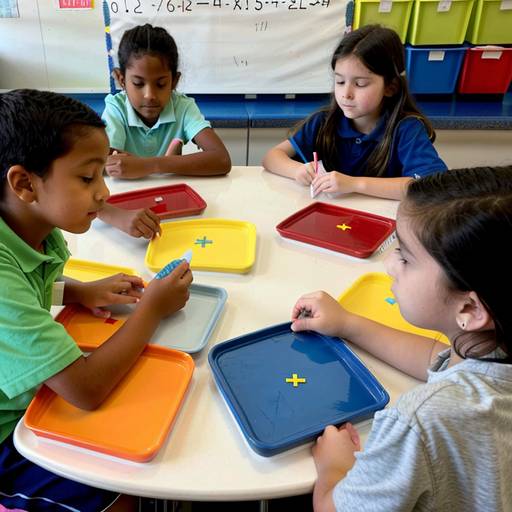
This lesson plan is designed for 3rd-grade students to help them understand fractions as parts of a whole using relatable examples from their everyday lives, such as sharing food. The lesson begins with a discussion about dividing items like pizza or cake into parts, introducing key terms such as numerator and denominator. Through direct instruction, students will engage in hands-on activities by cutting paper plates into halves, thirds, and quarters while labeling the fractions visually.
With guided practice, students will create their own fraction representations and share their work with peers. They will then move on to independent practice by solving fraction word problems on worksheets, which will allow them to reinforce their understanding of the concept. The lesson concludes with a brief review and reflection, emphasizing the importance of fractions in daily activities. Assessment will be conducted through observation during class activities and by reviewing the completed worksheets. Optional extensions for future lessons may include exploring more complex fractions or incorporating educational games to reinforce their learning.